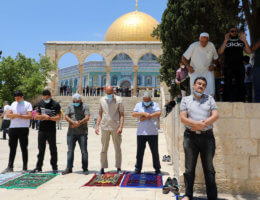
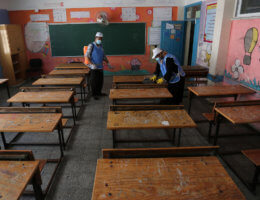
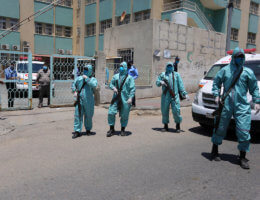
Imagine being left to fend for yourself against the coronavirus, as your home is threatened by demolition, and your family is living under military occupation. That is the reality for Palestinians living in the village of al-Walaja. Watch the second episode in a five-part Mondoweiss series on how Palestinians are surviving under both a global pandemic, and the Israeli occupation.
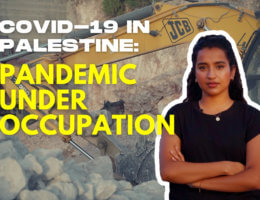
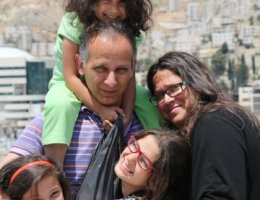
When Neta Golan’s husband traveled to Egypt at the beginning of March for a wedding, she never imagined it would take nearly five months for him to make his way home. Her story is just one of thousands of families where Palestinians were stranded abroad.
What would you do if you were living in a refugee camp during a global pandemic? For the first time in months, Palestinian refugee camps are seeing a spike in COVID-19 cases raising concerns over the potentially devastating effects the virus can have on disadvantaged communities like the Dheisheh refugee camp.
New cases of COVID-19 were reported among relatives in the al-Maghazi refugee camp, where, as is the case in most refugee camps, overcrowding and poor infrastructure poses a major threat to the community’s ability to stop the spread of the virus.
Authors in the Lancet say Israel must lift “closure” on Gaza because insufficient amount of equipment needed to treat COVID-19 in the occupied Palestinian territory (87 intensive care unit beds with ventilators for nearly 2 million people and a paucity of personal protective equipment) is compounded by poor public health conditions: a water and electricity crisis, rampant poverty, and a high population density.
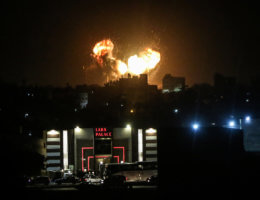
Israel has been bombing Gaza for eight days straight, all as part of what Israel says is a response to incendiary balloons sent from Gaza into Israeli territory. “We’ve been through this countless times,” Omar Ghraieb, 33, a Palestinian journalist told Mondoweiss, “but it’s harder now with a global pandemic and the whole world falling apart, no electricity and no water.”
In the past 24 hours alone, there were more than 612 new cases, a third of which were reported in occupied East Jerusalem, which has seen a surge in cases recently.
The pandemic has exposed the degree to which structural racism and cross generational trauma have public health consequences. From childhood to adulthood, people of color are at risk for stress related illnesses: hypertension, heart disease, diabetes, obesity, and heart disease. Now that list includes COVID-19.