On April 17, the one-year anniversary of the Columbia University Gaza encampment, academic workers, students, and activists are calling for a coordinated national direct action to protest the ongoing genocide and escalating repression in the U.S.
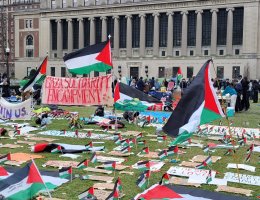

On April 17, the one-year anniversary of the Columbia University Gaza encampment, academic workers, students, and activists are calling for a coordinated national direct action to protest the ongoing genocide and escalating repression in the U.S.
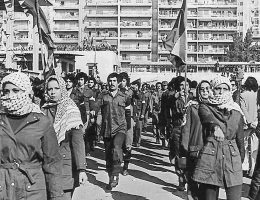
The same reality that compelled Palestinian refugees in Lebanon to take up arms in the 1970s persist to this day. The Palestinians of the camps now view the resistance movement in Gaza with renewed hope for liberation.
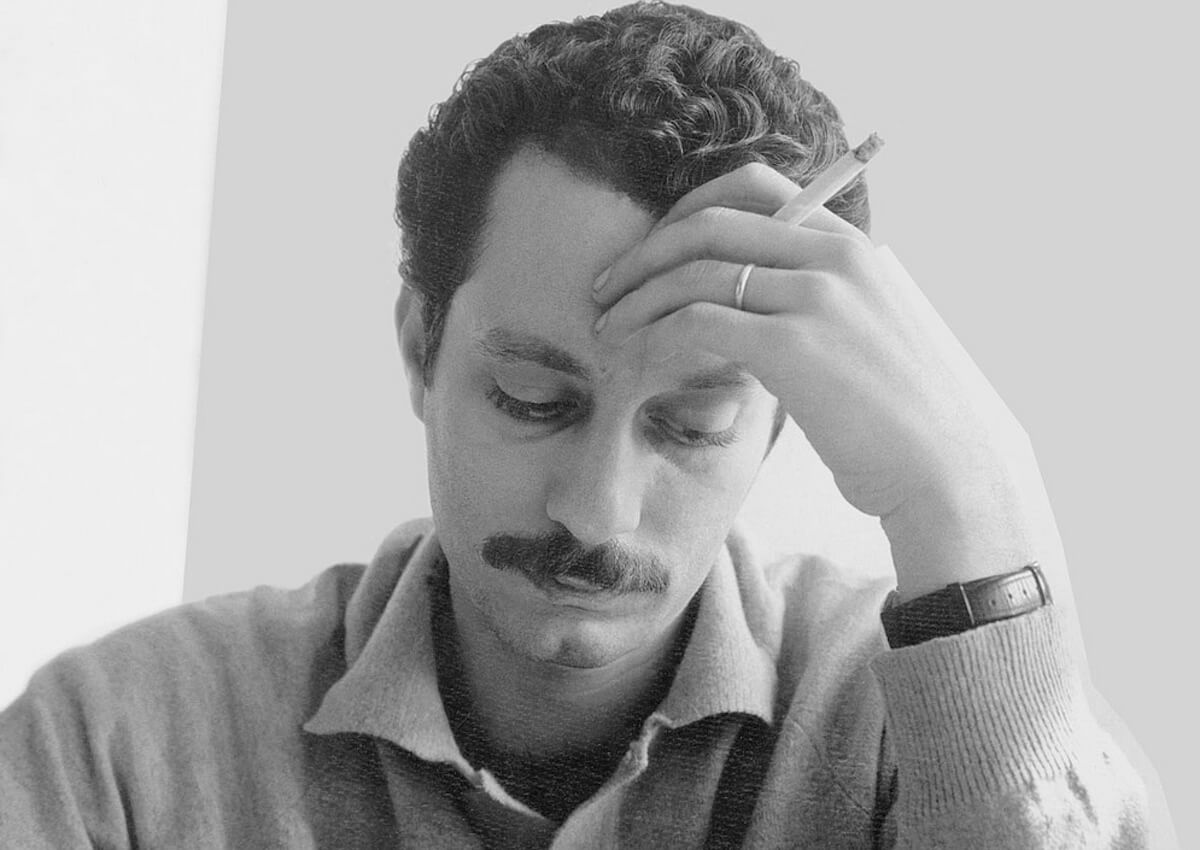
The editors of “Ghassan Kanafani: Selected Political Writings” talk to Mondoweiss about what the Palestinian icon’s writings can teach us about resistance to genocide in Gaza today.
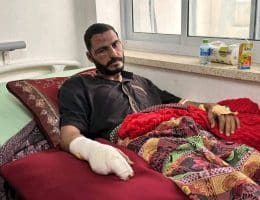
Israel targeted my colleague, Hassan Eslayeh, claiming that he was a Hamas fighter. This isn’t the first time Israel has used this lie to justify targeting journalists, paramedics, and rescue workers.

77 years ago today, my family’s history was forever altered by the massacre in Deir Yassin. Because of it, I see everything through the filter of the Nakba — and the Gaza genocide through the lens of sumud.

Despite widespread participation in a general strike protesting the genocide in Gaza, organized Palestinian forces in the West Bank are experiencing a “moment of weakness,” civil society activists say, due to Israel’s campaign of terror.

Last week Israel ordered the evacuation of Rafah, the very place that has been a refuge for millions of Palestinians, including myself. As I read the news, the memories of my displacement to Rafah came flooding back.

Gaza’s blood stains not only the hands of Israel, the U.S., and the West — but also those of 2 billion Muslims who remain silent witnesses.
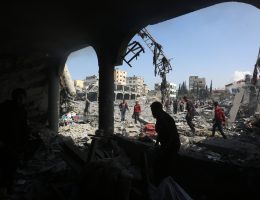
Israel bombed three schools-turned-shelters, intensifying attacks across Gaza City and ordering residents to evacuate. Eyewitnesses report that the Israeli army is sending booby-trapped vehicles into neighborhoods and detonating them remotely.

The colonization of Palestine is not an anomaly in the liberal global order but its most glaring indictment. It exposes the hypocrisy of an international system that decries colonialism while institutionalizing and legitimizing it.