Maqlouba, musafan, and somaqiya. Ziad Ali shares three recipes from friends, collecting oral histories behind the carefully curated spices and mixtures of Palestinian heritage cooking.
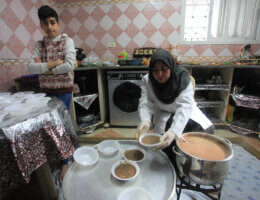

Maqlouba, musafan, and somaqiya. Ziad Ali shares three recipes from friends, collecting oral histories behind the carefully curated spices and mixtures of Palestinian heritage cooking.
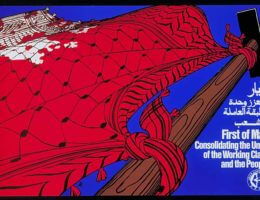
In many cities around the world May 1, 2020 will be distinguished by the absence of demonstrations for International Workers’ Day, because of the ongoing COVID-19 pandemic. Nevertheless, many will mark the occasion within their homes, as the crisis lays bare the deepening struggles faced by working-class people as a result of failed neoliberal policies, inequality and colonialism.

Hatim Kanaaneh reviews Rashid Khalidi’s latest work ‘The Hundred Years’ War on Palestine’: “Though I have read a good number of histories of Palestine, I hardly turned a page in Rashid Khalidi’s new book that didn’t surprise me with new and well-documented information about my own history.”
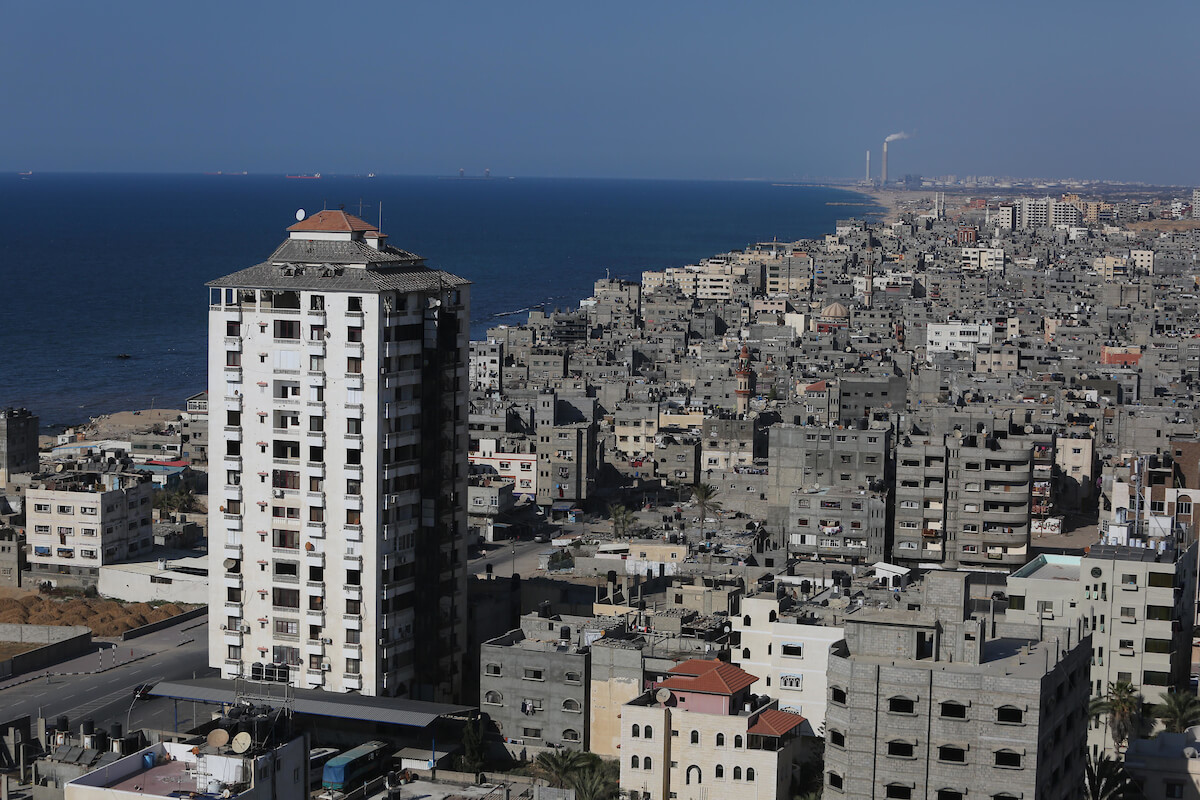
Opportunities to visit Gaza come rarely. Harry Gunkel writes, “A place so inaccessible and so compelling deserves our full attention and our best intentions, but as we learned in our recent visit, getting lost in the tedium of the permit process and then the rush to pack the time with meetings and briefings could have caused us to miss the glory that is Gaza.”

The Museum of the Palestinian People in Washington DC exhibits Palestinians from refugee camps, Israel, Gaza, the U.S. and Canada. “Having the museum open was not something easy to be done, especially with financial challenges and starting a space in DC, collecting items to exhibit. It takes courage to do that,” says museum curator Nada Odeh.
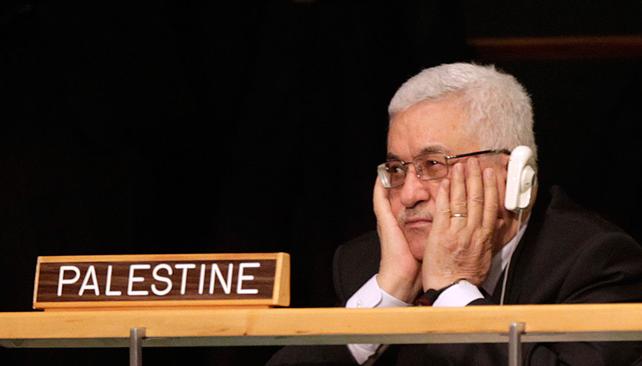
In an excerpt from her new book “Justice For Some: Law and the Question of Palestine,” Noura Erakat tackles the Palestinian Authority and its “illusory quest” for statehood where economic perks under the promise of self-autonomy “has shaped the Palestinian leadership’s commitment to U.S. tutelage and its reticence to embark on a bolder course based on a politics of resistance.”
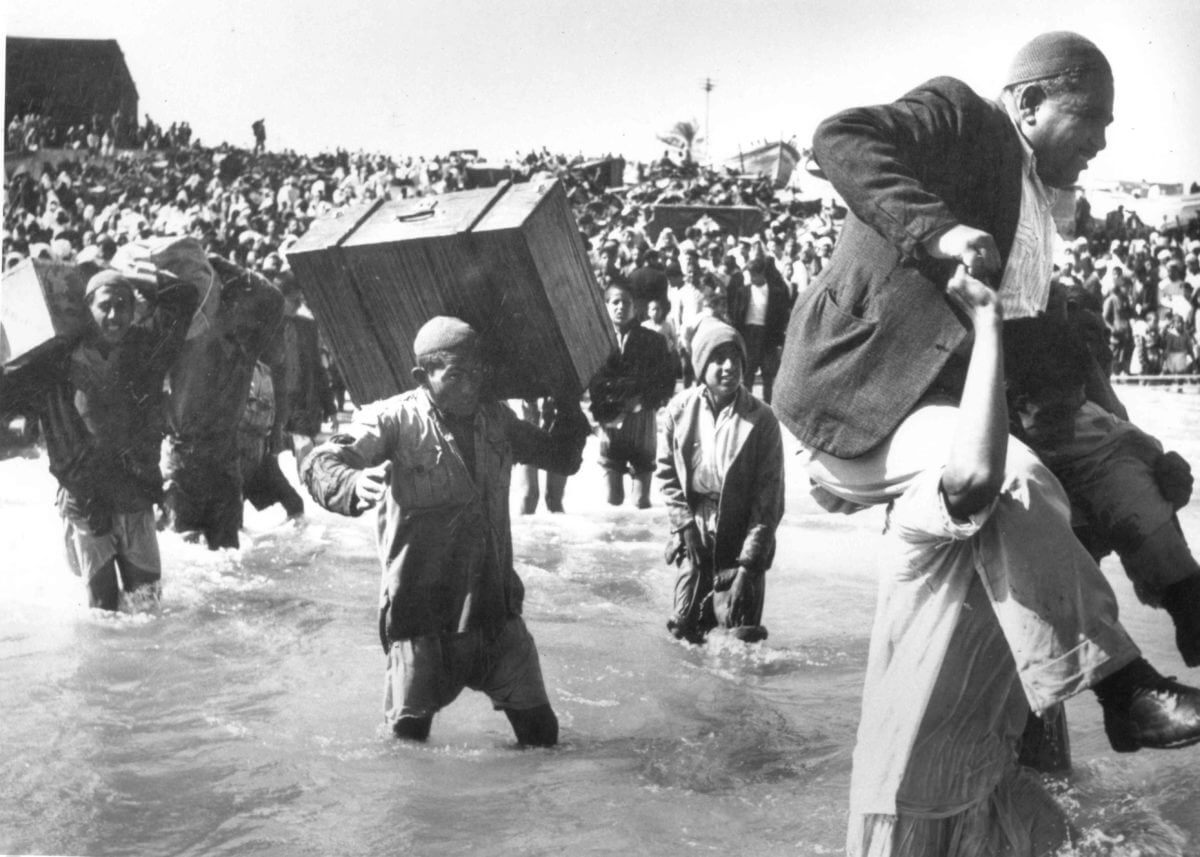
Dareen Tatour writes, “The anniversary of the Nakba comes every May. But we, the Palestinians of 1948, live in memory of the Nakba in different circumstances than all other Palestinians. Here from within Israel, we can hear the sirens declare the beginning of the celebration observed by those who occupied us while we are still deeply rooted inside of our homeland We suffer because we feel alienated in our own country, we shout and scream and no one hears us.”

In the late 1960s as black organizations began to weigh in on the national discourse on the Arab-Israeli conflict, black radicals and their critiques of Israel became a source of much anxiety for civil rights groups who fear support for Palestinians would jeopardize their cause.