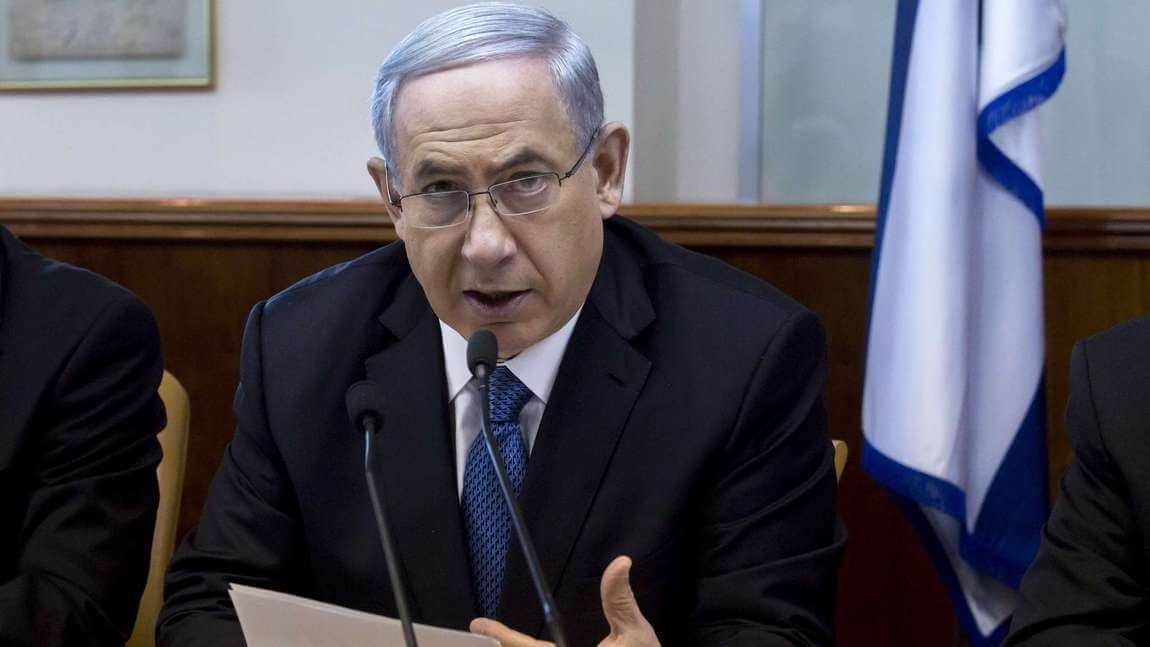
While Israeli Prime Minister Benjamin Netanyahu is in the final hours of forming a ruling coalition to lead the country, the Joint List is organizing a mass march. Unrecognized villagers will camp and walk their way to Israel’s seat of government, all while their party’s leadership is tightening ties with presumed opposition heads in the Zionist Camp.
“We’re not going to solve the Israeli-Palestinian problem this morning,” WNYC public radio host Brian Lehrer told listeners Monday at the close of his all-Jewish discussion with NY Times Jerusalem bureau chief Jodi Rudoren and Time columnist Joe Klein about the Netanyahu victory aftermath. They might have come a little closer if his guests had included a Palestinian instead of two Zionists. Klein called Netanyahu’s race-baiting Election Day speech “beyond tragic. It is shameful and embarrassing.” Unknowingly, he nails it. For liberal Zionists, it’s not the tragedy of generations of Palestinians exiled, slaughtered or marginalized because powerful outsiders claim their land—it’s the shame and embarrassment of those who have to reconcile their support for all of that with their liberal self-image.
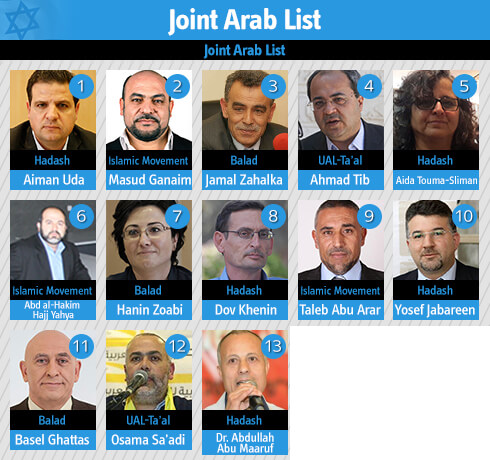
Something has changed inside Israel for its Palestinian citizens. The hard data is revealing: voter turnout by Palestinian citizens of Israel jumped by 10% from the last election and in the Joint Arab List’s party leader’s home district it was nearly an unheard of 80%. The joint list is full of fresh faces with seven first time Knesset member, two women, five communists, two national democrats, two Islamist, one Christian and one Israeli-Jew. Meet the next Knesset members from the Joint Arab List.
Months ago questions were raised if, at all, there would be any Arab representatives in the next Knesset. Then the groups unified under a single banner headed by Ayman Odeh, 41, a first time Knesset candidate from Haifa who started his career in public office at the age of 23 on Haifa’s city council. Now the long road is coming to and end and the Joint Arab List is the third largest party in the country with the potential, for the first time, to influence the outcome of elections.
Days away from elections in Israel on March 17th, Prime Minister Benjamin Netanyahu’s Likud party may not be able to recover from the dive it took in the polls this week. They are down—more than they have been since campaigning began in December. He is expected to get 21 seats while the Zionist Camp headed by Labour’s Issac Herzog and Hatuna’s Tzipi Livni, would get 24. However, Israeli elections are determined by voting blocs and not individual parties. And so even if Bibi loses, he can still win. And if that happens, it wouldn’t be the first time.
Will the Arab List with its assumed new clout back a Zionist-left government in order to keep incumbent Prime Minister Benjamin Netanyahu and his right-wing bloc out of government? Or will Palestinians be politically marginalized, as they traditionally are? Some Frequently Asked Questions about Palestinians and the election.
Prime Minster Benjamin Netanyahu released an ISIS inspired campaign video late Saturday evening where his Likud party suggested a vote for his opponents will lead to Israel’s takeover by the Islamic terror group.
After a half-year suspension and a row to remove from office Arab member of Knesset Hanin Zoabi, right-wing parties succeeded in disqualifying her from participating in Israeli elections next month. Yesterday the Central Election Committee in the Knesset voted Zoabi and hardline candidate Baruch Marzel could not run. The two were accused of incitement against Israel. Both cases will now be reviewed by Israel’s high court.
In his latest campaign ad Netanyahu plays the “Bibi-sitter” and says that his opponents cannot be trusted to watch after Israel’s children. He goes after Labor leader Issac Herzog by saying, “By the time we get home we won’t have a house left!” meaning that a centrist government would agree to end Israel’s occupation of the West Bank and turn over the occupied territories to the Palestinians. In the mindset of the commercial, this is as disastrous and foolish as giving away one’s own house.
“Swift elections must be held, and a new, united and strong government must be formed,” Israeli Prime Minister Netanyahu announced this evening calling for early Knesset elections hours after firing opposition members Yair Lapid and Tzipi Livni from his cabinet. The move comes after Lapid, Livni and Avigdor Lieberman all announced their parties were leaving the ruling coalition.