Tag

Israeli Government

Browsing

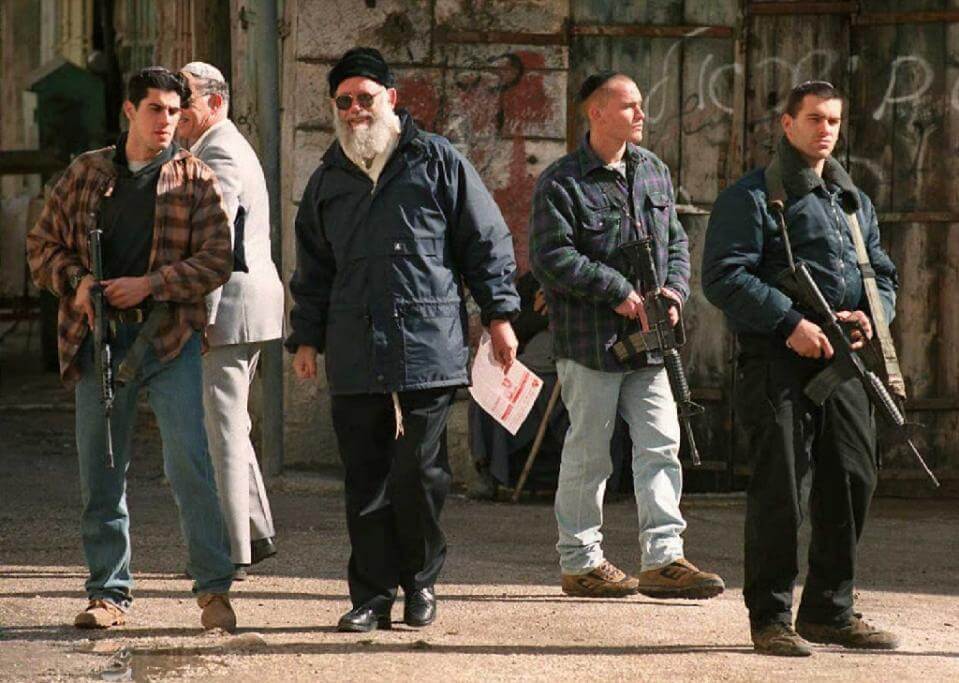
Rabbi Moshe Levinger, a hero of the settler movement and co-founder of its fundamentalist Gush Emunim group, who established Jewish communities in Hebron and throughout the West Bank, conducted armed takeovers of Palestinian homes, and was convicted of manslaughter, died on Saturday in the settlement of Hebron where he lived. Levinger was 80 and is survived by his wife and 11 children.
Late Wednesday evening Prime Minister Benjamin Netanyahu cinched a deal with Naftali Bennett’s hardline pro-settler group Bayit Yehudi to finalize a ruling coalition and secure his fourth term as Israel’s leader. Even with the deal, Netanyahu now hangs by a thread. His coalition includes a scant 61 out of 120 parliament members, down from the 67 votes he thought were in his pocket. The government will convene with a cabinet full of Netanyahu’s political rivals and a weak coalition—one of the weakest in Israel’s history. If Netanyahu cannot appease every member of his ruling government, he will need to seek support from his opposition led by the Zionist Camp’s Issac Herzog in order to survive.

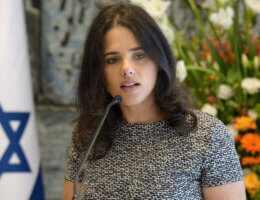
Ayelet Shaked, while serving as Israel's minister of justice in 2015. (Photo: Mark Neyman/GPO)

Israeli Prime Minister Benjamin Netanyahu decided to appoint Ayelet Shaked as justice minister in his fourth government. During Israel’s summer 2014 attack on Gaza, Shaked essentially called for the genocide of Palestinians. In a Facebook post on July 1—a day before Israeli extremists kidnapped Palestinian teenager Muhammad Abu Khdeir and burned him alive—the lawmaker asserted that “the entire Palestinian people is the enemy” and called for its destruction, “including its elderly and its women, its cities and its villages, its property and its infrastructure.”

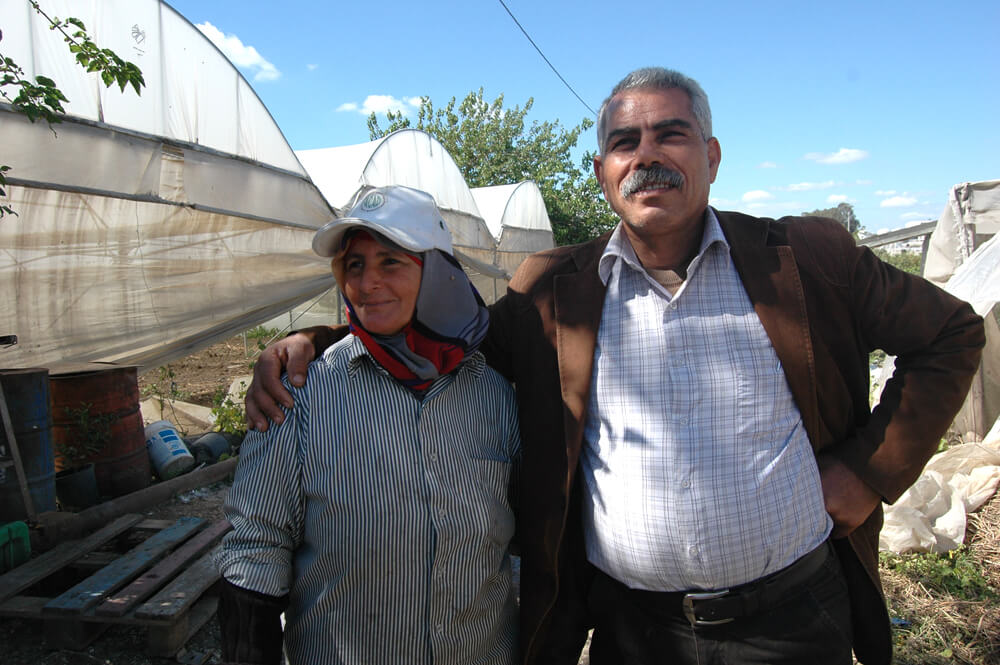
Fayez Tneeb marveled at his organically grown banana tree even though it is failing and rooted in a waste water stream. He and his wife Mona are proprietors of Hakoritana Farm in Tulkarm, located in the northern West Bank only 100 meters from Israel. For the Tneebs, harvesting pesticide-free agriculture that they take to a local market is a constant struggle. The couple’s plot of land is caught between an Israeli factory that manufactures fertilizers and agrochemicals, and Israel’s separation barrier.

Hiam al-Nawaja dreams to live in what she calls a “normal house.” The 23-year old mother of three small children and sheepherder manages in a cinder block frame insulated with a tarp a typical modest home in Susiya, a pastoral Palestinian village set in the rolling south Hebron Hills in the West Bank. Yet a few short decades ago Susiya’s residents had sturdy stone structures built over ancient caves on a hilltop one kilometer from where their town stands today. The former location, “old Susiya,” is close enough that al-Nawaja can see bulldozed remains from her kitchen window. It was destroyed in 1986 when Israel dismantled the town’s mosque to uncover an ancient Jewish synagogue dating back to the sixth century.

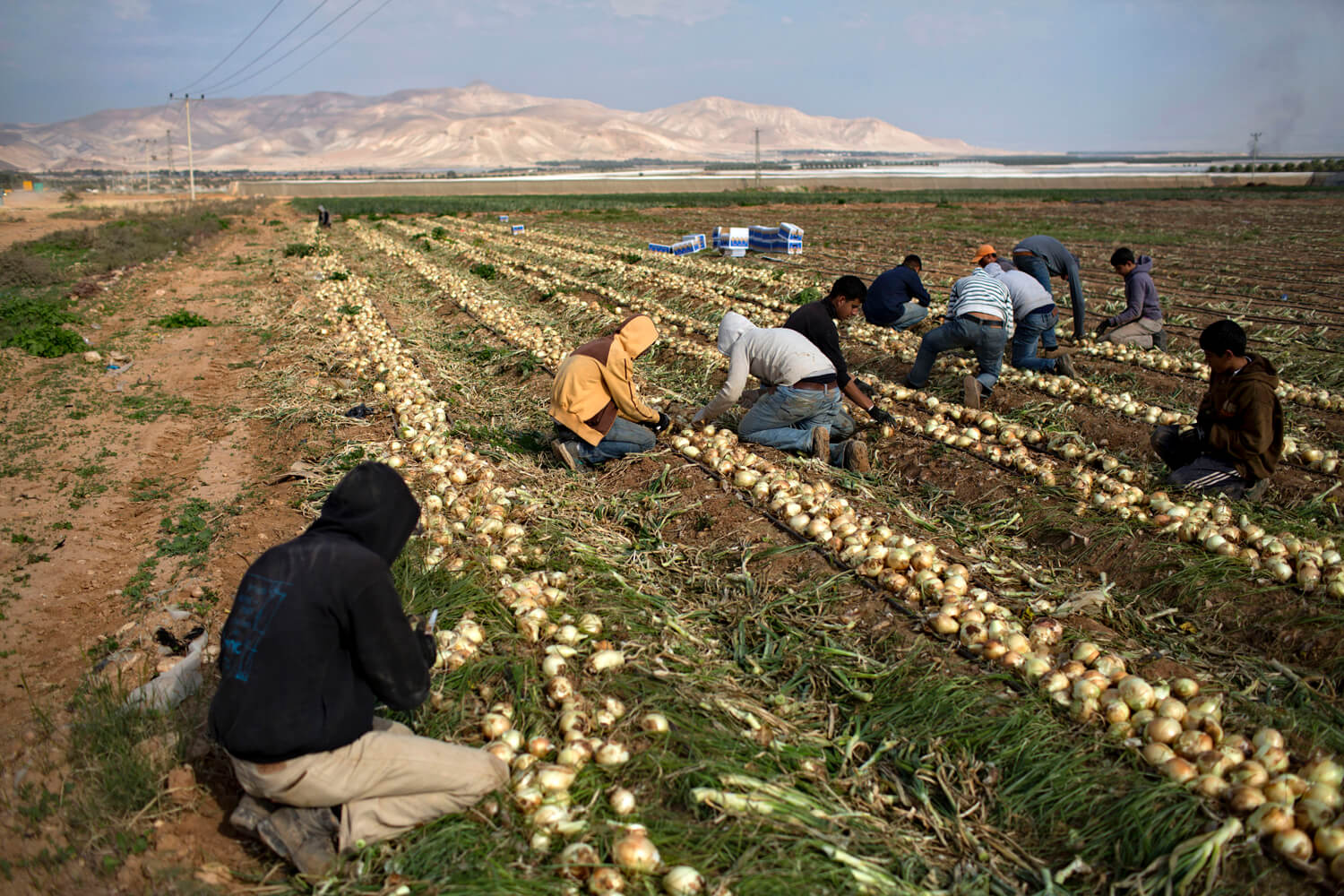
Bad pay, hard labor, nasty skin rashes, and poor sleep in constructions sites are just the tip of work conditions found in Israeli agricultural settlements, said a Human Rights Watch (HRW) in a report released Monday. The 75-page “Israel: Settlement Agriculture Harms Palestinian Children” is a devastating look into underage Palestinian laborers farming for Israeli companies.

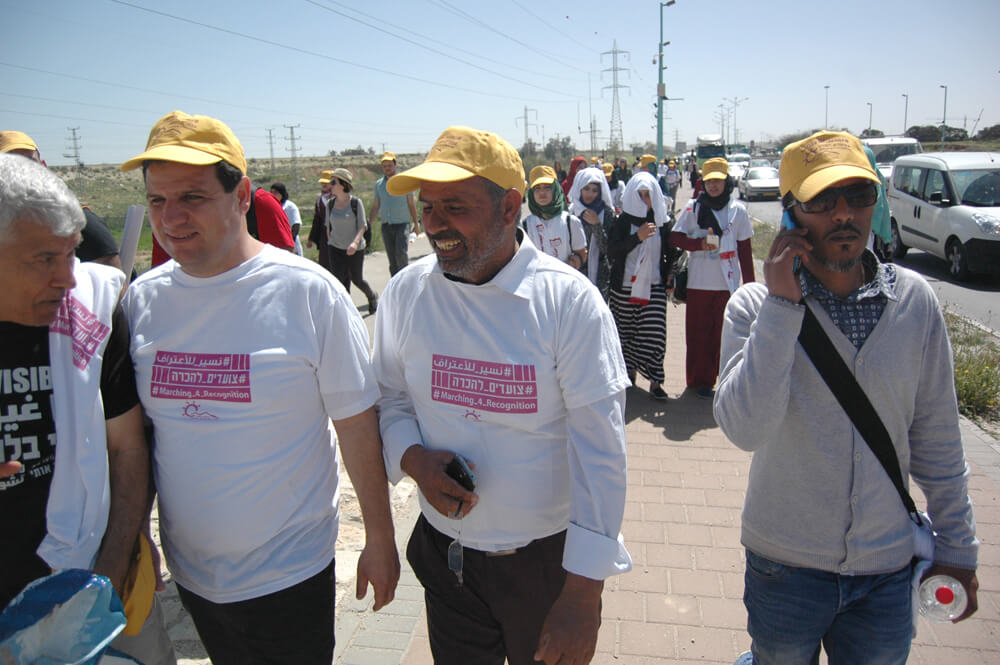
There are still a few weeks before head of the Joint List Ayman Odeh begins his first term in Israel’s parliament, yet he has already led a protest across the country. This past weekend Odeh led the “March for Recognition” with hundreds of Bedouins who live in unrecognized villages. The 130 kilometer trek from the southern Negev desert to Jerusalem officially ended on President Reuven Rivlin’s doorstep Sunday afternoon.

While Israeli Prime Minister Benjamin Netanyahu is in the final hours of forming a ruling coalition to lead the country, the Joint List is organizing a mass march. Unrecognized villagers will camp and walk their way to Israel’s seat of government, all while their party’s leadership is tightening ties with presumed opposition heads in the Zionist Camp.

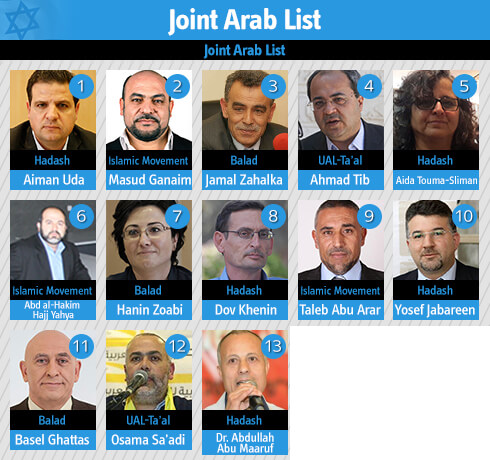
Something has changed inside Israel for its Palestinian citizens. The hard data is revealing: voter turnout by Palestinian citizens of Israel jumped by 10% from the last election and in the Joint Arab List’s party leader’s home district it was nearly an unheard of 80%. The joint list is full of fresh faces with seven first time Knesset member, two women, five communists, two national democrats, two Islamist, one Christian and one Israeli-Jew. Meet the next Knesset members from the Joint Arab List.