The “Shami neighborhood project” will ethnically cleanse the Bedouin population of Jerusalem’s eastern wilderness as part of Israel’s plan to take total control over the strategic “Greater Jerusalem” corridor, which would split the West Bank in two.
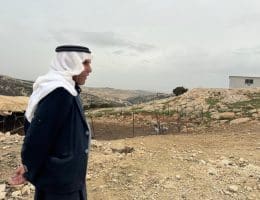

The “Shami neighborhood project” will ethnically cleanse the Bedouin population of Jerusalem’s eastern wilderness as part of Israel’s plan to take total control over the strategic “Greater Jerusalem” corridor, which would split the West Bank in two.
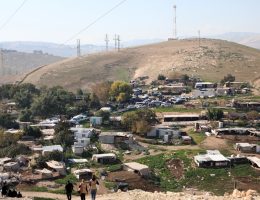
Israel is expanding its “Iron Wall” offensive in the West Bank as it approves plans to separate the northern West Bank from the south. The plan is an accelerated prelude to Israel’s expected annexation of the West Bank.
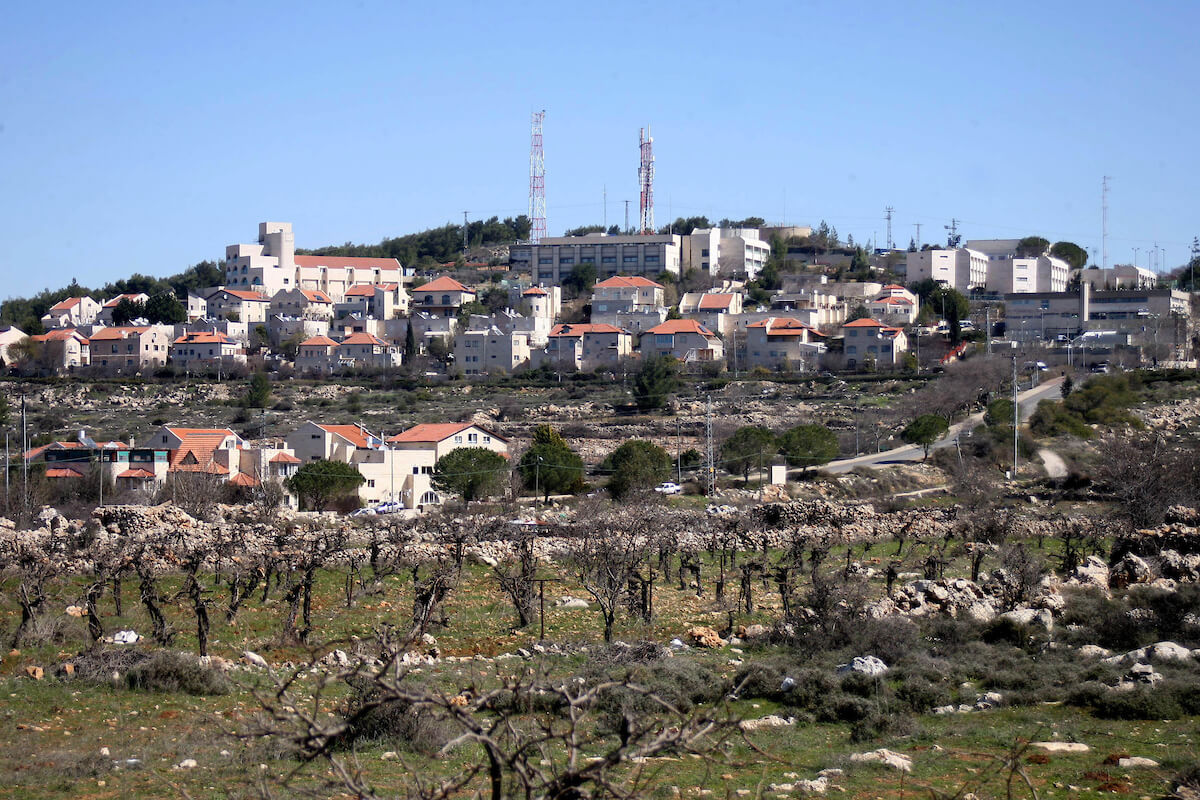
On Sunday Israel approved plans for 1,300 new settlement units in the occupied West Bank, in the first move of its kind since US President Joe Biden took office. Later this week, the Israel Higher Planning Committee is expected to meet to push forward plans for an additional 2,862 units.

Within the Israeli colonization project, distinct legal frameworks are applied across a legally fragmented space and yet nevertheless share a common defining logic. The unifying logic of Jewishness as property, central to this system of settler-colonial domination, gives coherence to these legal fragments.

“The Palestinians have never had this kind of a card in their sleeve, that actually might restrain Israel.” Human rights attorney Michael Sfard says that there is “absolutely no way” for the ICC to evade an investigation of Israeli settlements as a war crime.
As the ICC weighs its jurisdiction to rule on the matter of human rights abuses in the West Bank, Gaza and East Jerusalem, over 4,500–including Noam Chomsky, John Pilger, Udi Adiv, Lia Tarachansky and more–petition for the court to act now.

Looking back on this year, it is difficult to choose one moment, one tragedy, or one political decision that stands out among the rest. Palestinians witnessed a tumultuous year in 2018, as they saw hundreds killed from the West Bank to Gaza, their rights slowly stripped away inside Israel, and the heart of Palestinian identity, Jerusalem, pushed further out of reach. But as evidenced by the ongoing fight for the rights of refugees in Gaza’s Great March of Return, the fight against expulsion in places Silwan and Khan al-Ahmar, and the fight for equal rights as citizens in Israel, the fight for Palestinian rights continued as well.
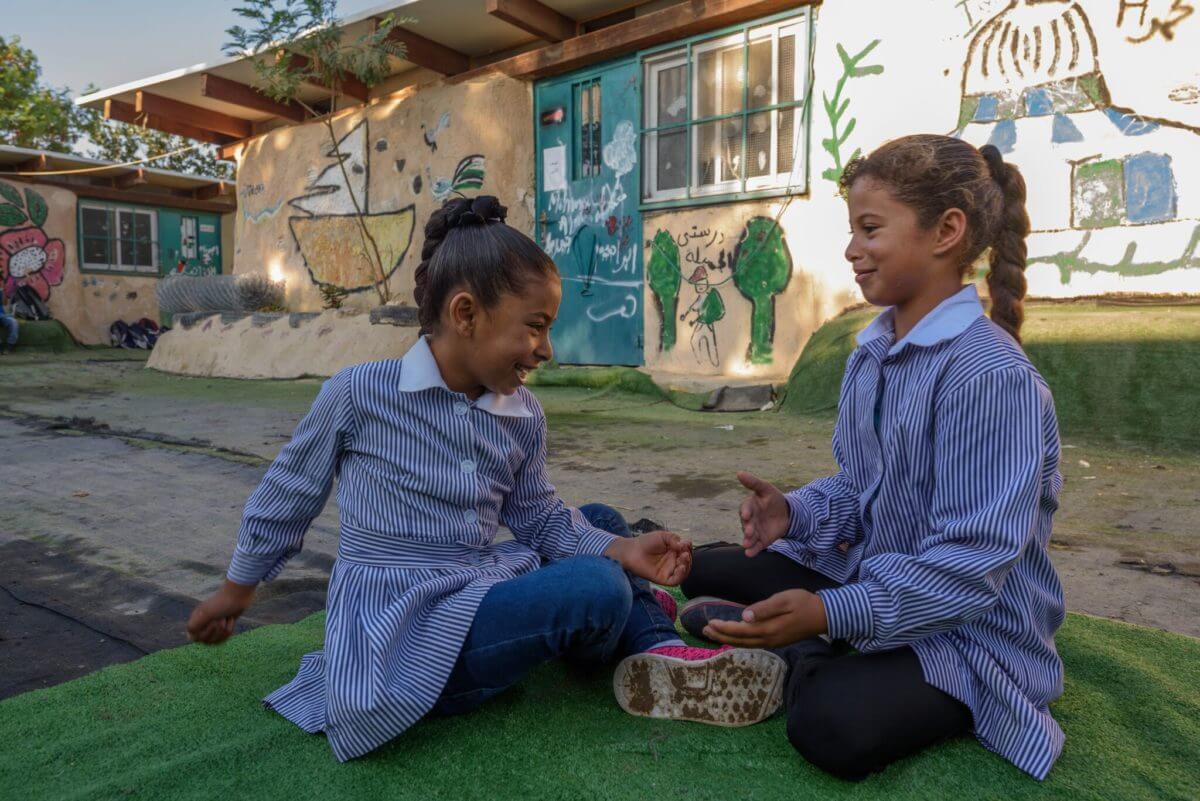
After nearly two months on high alert, the fear of imminent demolition permanently lingering in the air, the residents of Khan al-Ahmar and the activists supporting them took a collective, albeit temporary, sigh of relief last week.
When news spread that the Israeli government was postponing the demolition of the village until further notice, the Bedouins of Khan al-Ahmar, along with hundreds of activists and Palestinian government officials rejoiced.
Now, as the euphoria of the postponement wears off, the residents of Khan al-Ahmar are back trying to resume their daily lives as normal until the next decision comes.
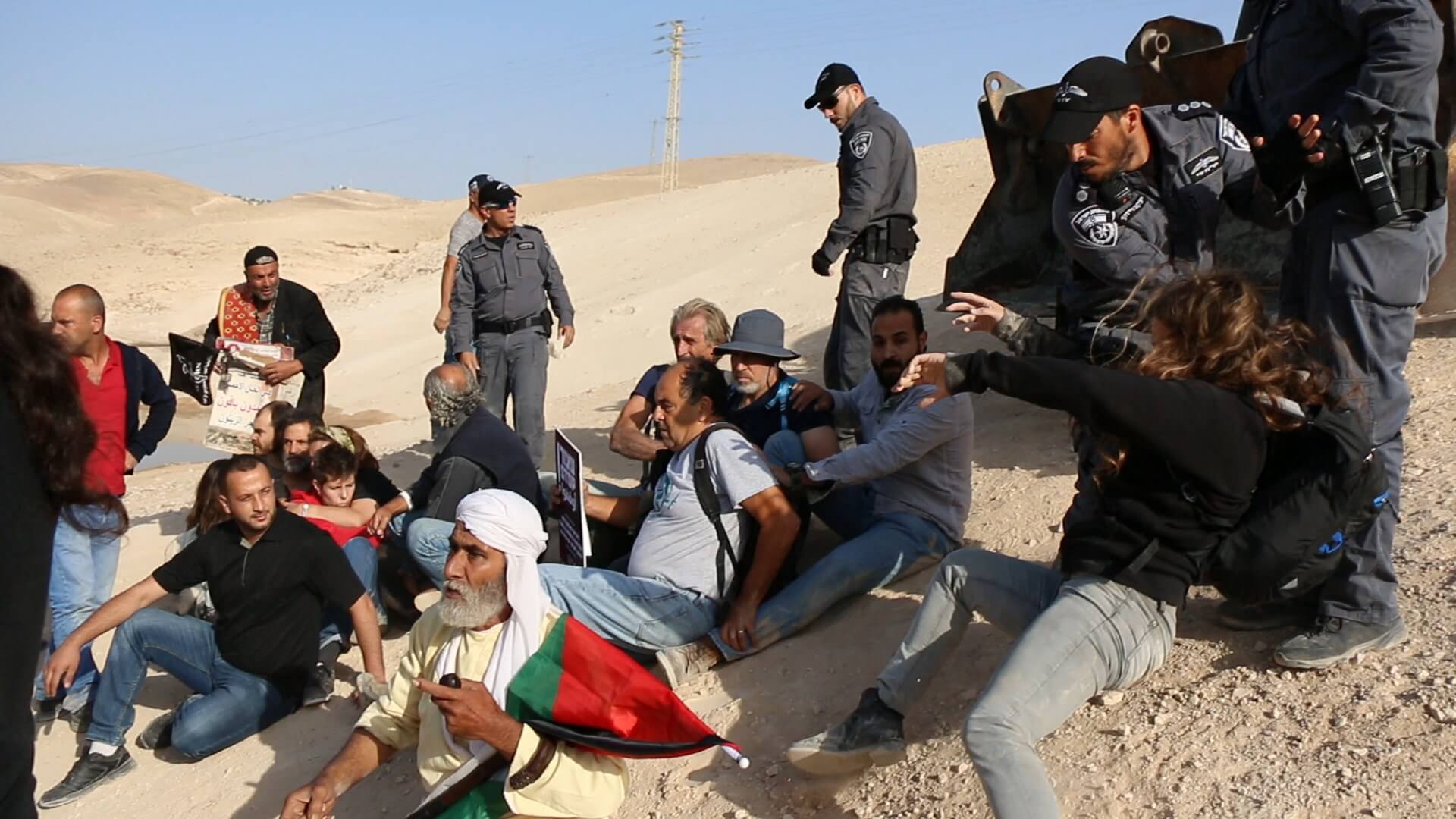
Tensions heightened Monday morning in the Palestinian Bedouin village of Khan al-Ahmar, as Israeli police forces entered the village with bulldozers, sparking confrontations with residents and local and foreign activists who attempted to prevent authorities from entering the village.
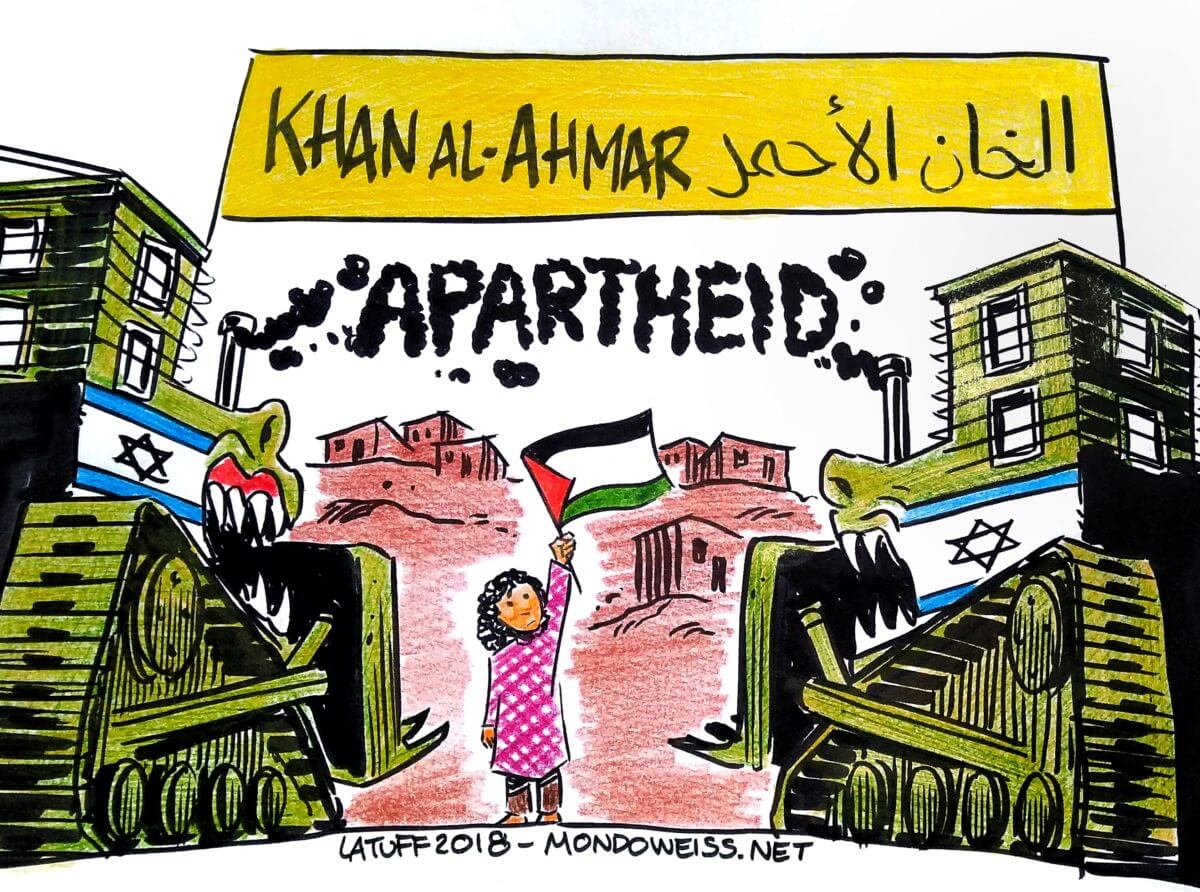
As the destruction of their homes grows more imminent, the villagers of Khan al-Ahmar have appealed to German Chancellor Angela Merkel, who will be visiting Israel this week, to stop the demolitions.