Nakba is 75 years of what is happening to us, not what happened.
Nothing remains. But in the traces– Everything remains.

Nakba is 75 years of what is happening to us, not what happened.
Nothing remains. But in the traces– Everything remains.
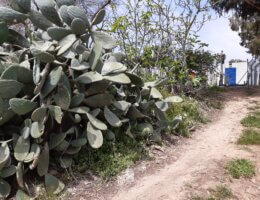
Jonathan Ofir grew up on a kibbutz and was never told of the destroyed Palestinian village upon which it was built. But some signs remain, like the cacti which Israelis have attempted to appropriate, but signify the deep Palestinian ties to the land.
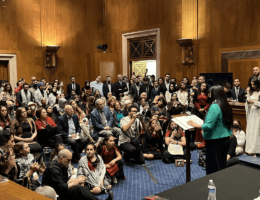
The Israel lobby group ADL tried to stop the Nakba commemoration at the Capitol by saying that Rashida Tlaib had slandered Israel. The historic ceremony was carried off thanks to Bernie Sanders.

As we commemorate 75 years of catastrophe, we also recognize 75 years of sumud, the Arabic word for “steadfastness” that captures Palestinians defiant resilience.
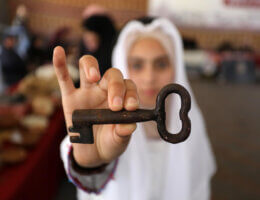
The younger generation of Palestinian refugees in Gaza carry memories of their original villages, even though they’ve never been to them. 75 years after the Nakba, they still dream of return.
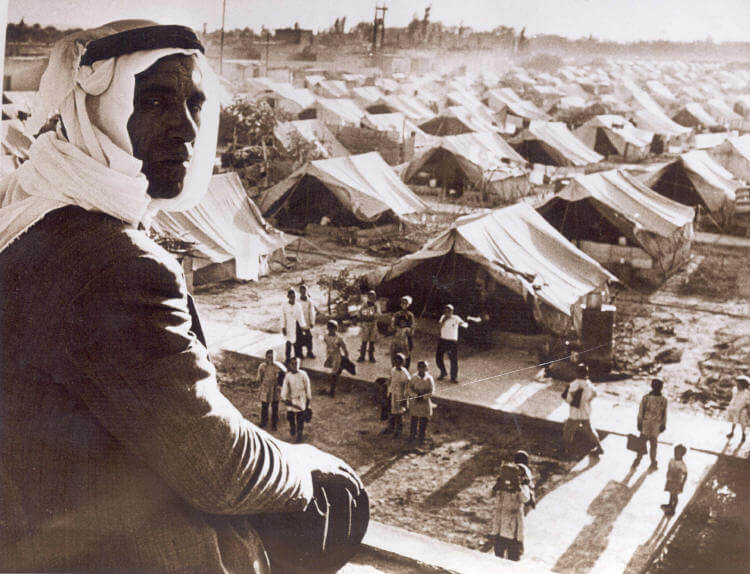
When Rashida Tlaib tweeted about the 75th anniversary of the Nakba, AIPAC described her history as “dangerous lies.” Meanwhile, liberal Zionist statements on Israel’s founding contain Nakba denial as well.

Understanding Zionism, which seeks to create a Jewish state through the displacement of Palestine’s indigenous population, is essential to understanding the last 75 years of the ongoing Nakba.
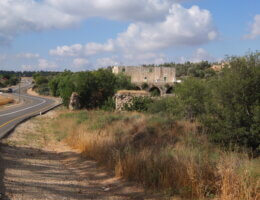
A visit to the destroyed Palestinian village of Ajjur reveals the violence and anxiety at the heart of the Zionist enterprise.
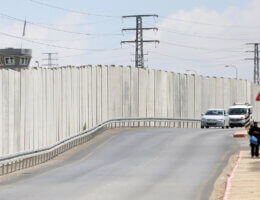
75 years after the Nakba, Palestine-Israel is one state under Israeli sovereignty but unequal. The struggle for a more equitable and democratic future will be long and ferociously resisted. That does not make it any less worth fighting for.
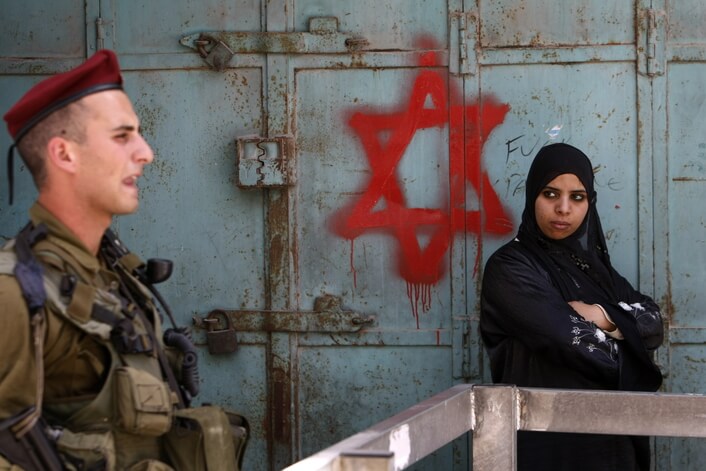
What will happen to the Israelis in Palestine after Palestinians are liberated from Zionism? The choices facing the “Pied-Noirs” at the end of colonization in Algeria may give us an idea.