Khalid Ja’ar once worked for Birthright, showing American Jews the “Bedouin experience” in the Negev. But after his son was killed by Israeli police and the town of Rahat has become a focus of Palestinian resistance, and Ja’ar’s world has changed.


Khalid Ja’ar once worked for Birthright, showing American Jews the “Bedouin experience” in the Negev. But after his son was killed by Israeli police and the town of Rahat has become a focus of Palestinian resistance, and Ja’ar’s world has changed.

Within days of Palestinians announcing they would join the International Criminal Court (ICC), Israeli Prime Minister Benjamin Netanyahu announced his country would stop transferring customs revenue to the Palestinian Authority. The punitive move was expected to lead to a crisis for the Palestinian leadership as government services would collapse across the West Bank. But the Palestinian Authority had an unexpected back up plan. The Arab League has agreed to provide emergency funds to cover the VAT-taxes frozen by Israel. This Arab League safety net will help the Palestinians avoid the expected temporary bankruptcy and allow them to move forward with pressing for war crimes at the ICC. In fact, financial support from the Arab League was a key component, along with joining the ICC, of long-term strategy to pressure Israel into negotiations.
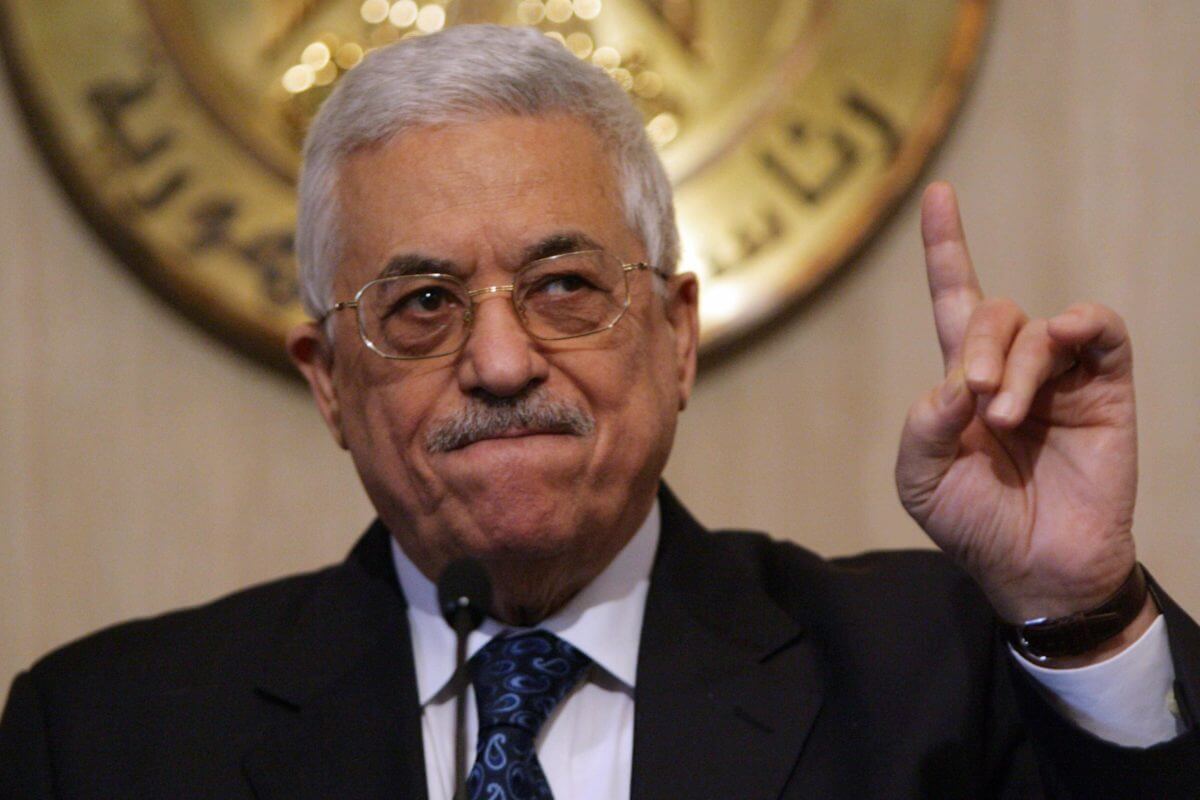
A day after begin rebuffed by the UN Security Council on a bid to end the occupation, Palestinian president Mahmoud Abbas has surprised the world by signing the Rome Statute, to be able to bring charges against Israel to the International Criminal Court. The US and Netanyahu seethe.

By mid-afternoon on Christmas Eve crowds had thinned from the limestone plaza that is Manger Square, buffering Bethlehem’s Church of the Nativity and its winding old city. International tourists lingered, but the bulk of the celebrators were Palestinians—Christian and Muslim alike. A handful of children under ten years old wore costumes and sold candies for 25-cents.
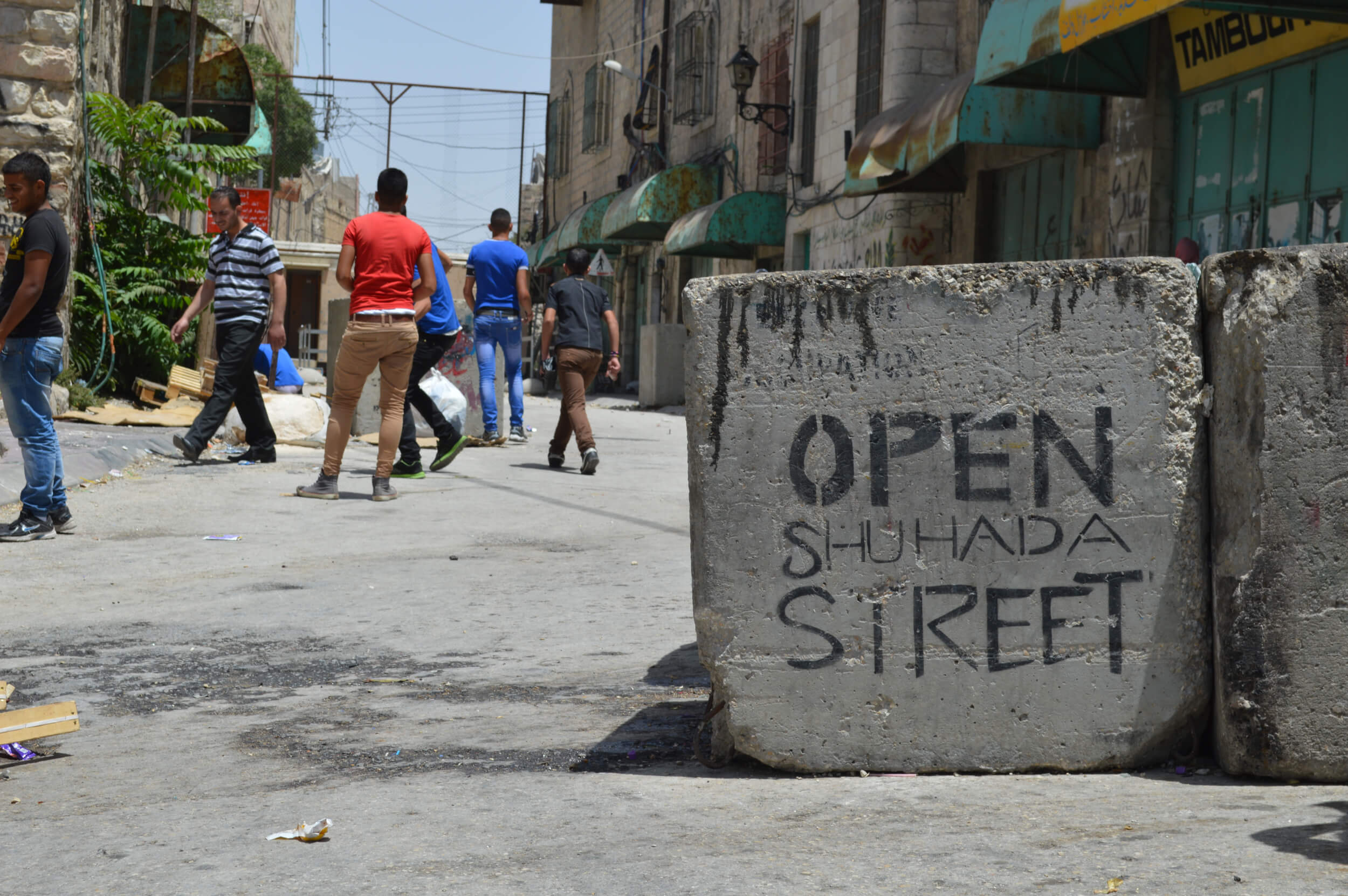
Ally Cohen was monitoring Israeli checkpoints in Hebron with the International Solidarity Movement when she fell and sprained her ankle. She was in immobilized in pain and stuck just outside a settlement on Hebron’s infamous Shuhada Street. Just when she thought the situation could not get any worse a car pulled up next to her and Anat Cohen stepped out.
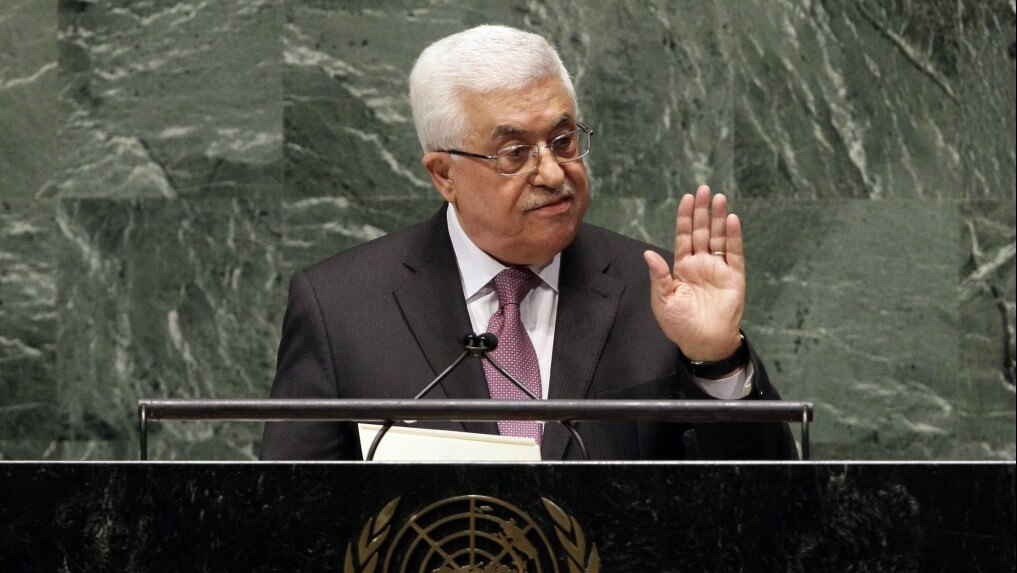
Early this morning Jordan submitted to the United Nations Security Council (UNSC) a draft resolution on behalf of the Palestinians to end Israel’s occupation of territory occupied in June 1967 through a negotiations process. The resolution would be the first to call for a third-party security presence to “guarantee and respect the sovereignty of a State of Palestine,” but it puts no deadline on Israel’s withdrawal.

The United States is creating momentum for the French to forestall, or all together abandon, presenting a resolution to the United Nations Security Council (UNSC) on behalf of the Palestinians. France has been informed of an American alternative offer to the Palestinian pursuit of a draft resolution to negotiate an end Israel’s occupation of territories gained in June 1967, a French diplomatic source tells Mondoweiss.

PLO official Dr. Mohammed Shtayyeh says the current Palestinian push at the UN Security Council comes “a serious junction in the history of Palestine.” Allison Deger reports that the proposed UN resolution marks a change in Palestinian strategy for the PLO. According to Dr. Shtayyeh the resolution is “not simply as part of a routine diplomatic issue. We are going to the Security Council because this is part of a strategic shift in the way that we are dealing with the struggle with the Israelis.” Although details of the resolution are not yet public, it appears this shift includes taking a harder line on Israeli settlement construction and looking toward Europe for leadership over the peace process instead of the United States.
The Palestinian Authority has announced it will seek a United Nations Security Council (UNSC) Resolution calling for an end of the Israeli occupation within a specific time period. The draft legislation gives Israel two years to remove its forces from lands occupied in June 1967 and reaffirms per-existing agreements for a framework of negotiations, said Ashraf Khatib a spokesperson for the Palestinian Liberation Organization (PLO) Negotiations Affairs Department via telephone to Mondoweiss. While the resolution makes no explicit mention of land swamps, it does support previous accords where the PLO granted Israel the possibility of territorial exchanges where up to 60% of settlers could remain in the West Bank.
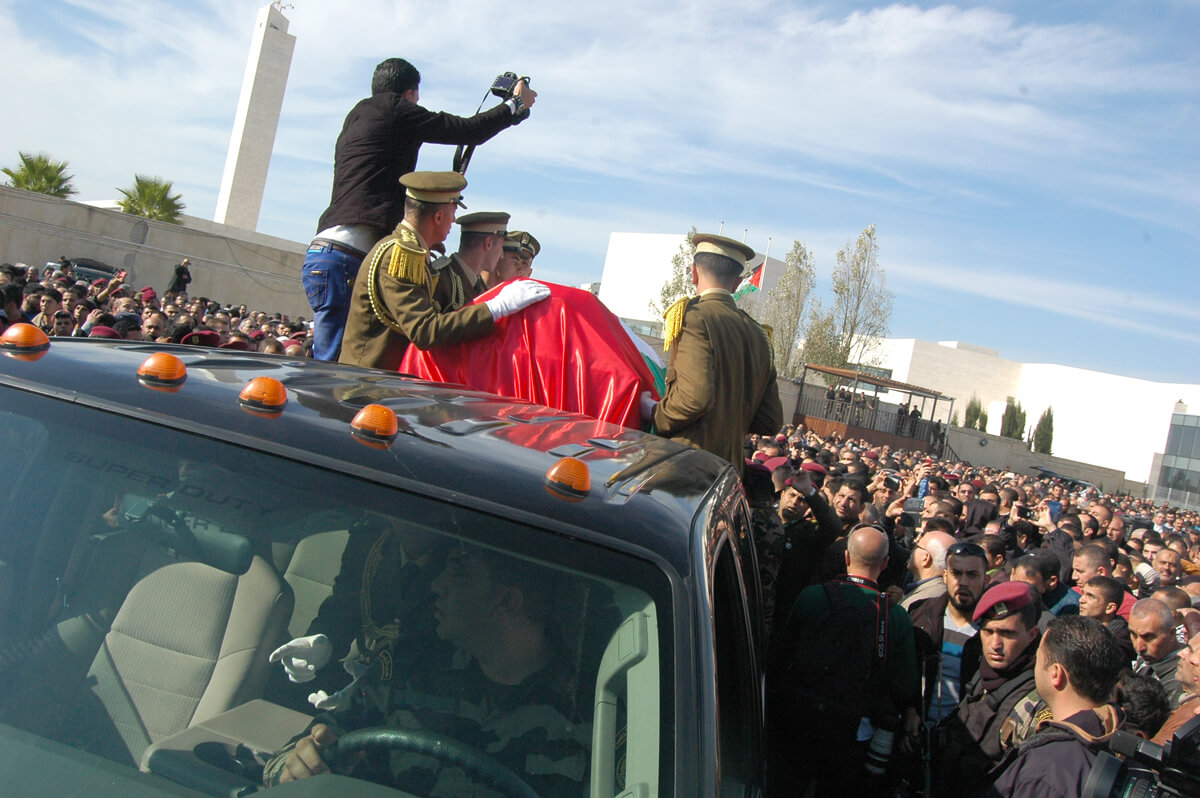
Shop windows in Ramallah were shuttered yesterday within hours of Minister Ziad Abu Ein’s death from a heart attack following an assault by Israeli soldiers in the West Bank village of Turmusaya. Thousands poured through the streets during a state funeral held today with a ceremony at the Muqataa, the seat of the Palestinian Authority and a procession to a nearby cemetery.