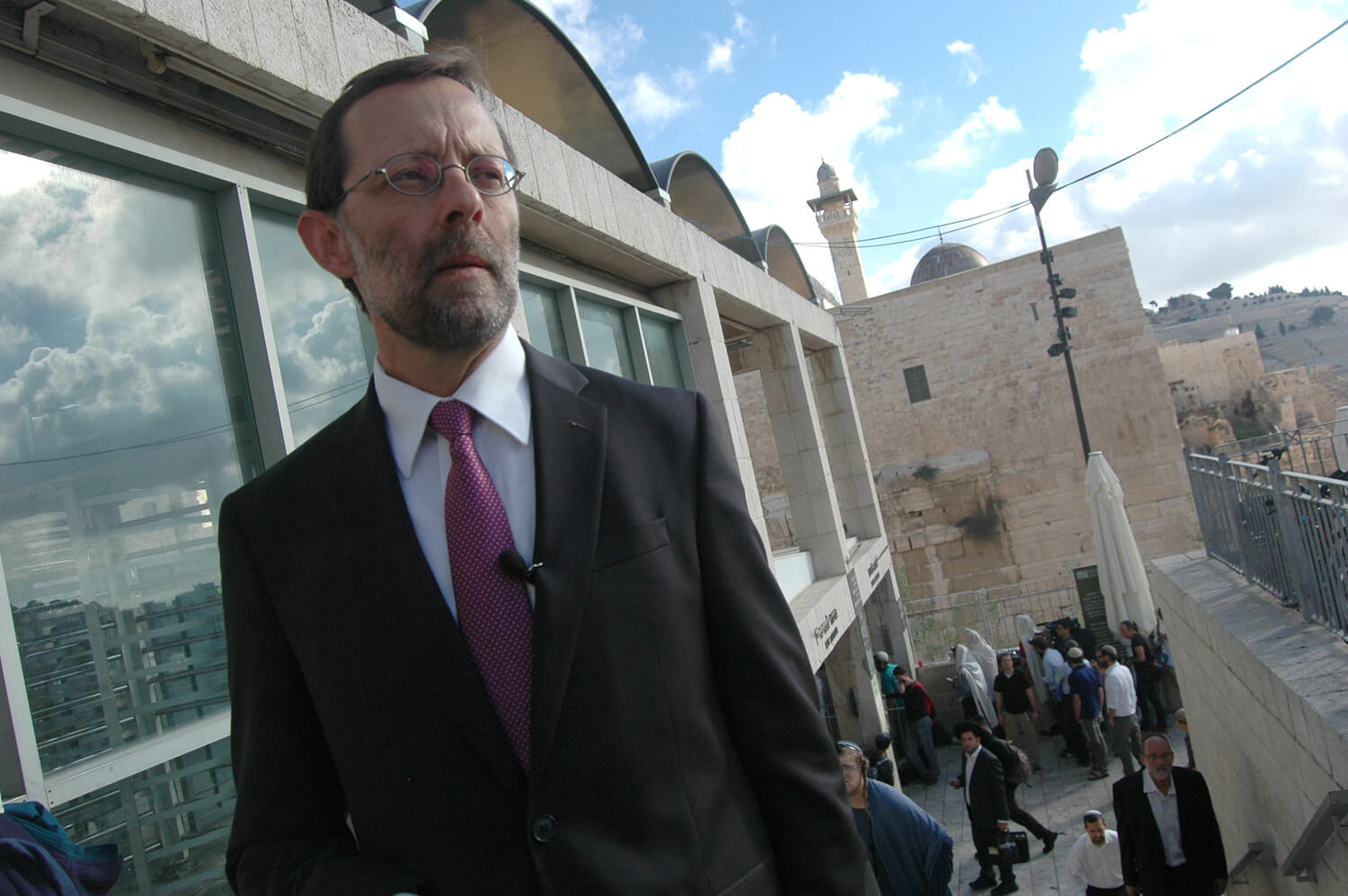
Three weeks after Israel’s latest assault on the Gaza Strip concluded, Israeli military and political leaders attended a conference next to Ben Gurion Airport to sell the successes of what Israel dubbed Operation Protective Edge, which killed more than 2,200 Palestinians including 521 children.
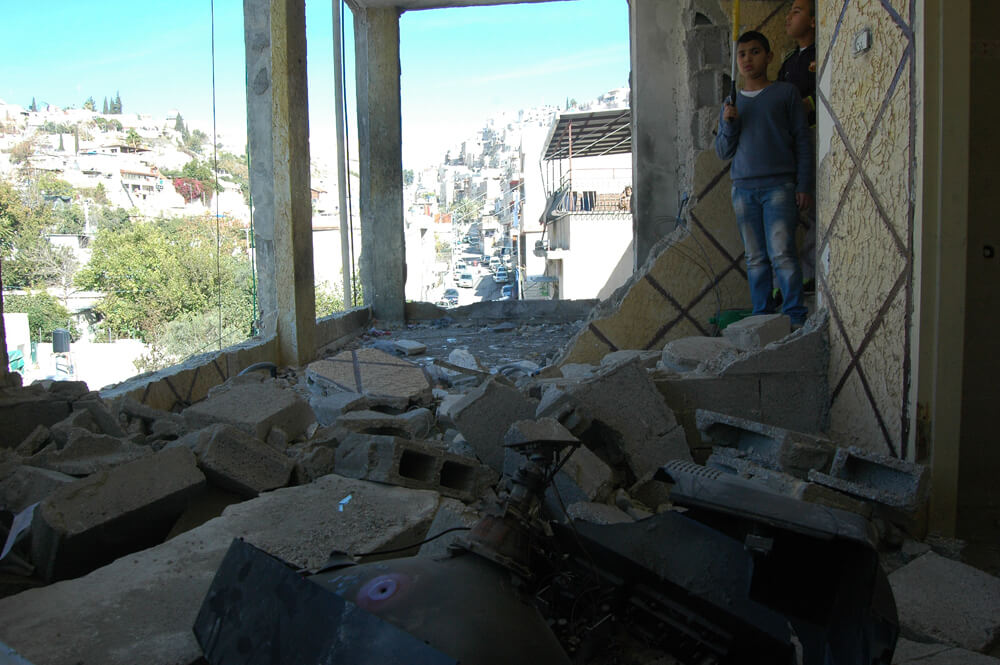
Israel’s renewed policy of punitive home demolitions was challenged in its highest court yesterday. The case comes as the Israeli government has ordered the homes of six Palestinians suspected in a series of Jerusalem attacks to be demolished. In the past judges have heard arguments to overturn demolitions on a case by case basis, but this was the first in Israel’s history to address the legality of the practice as such. And the hearing came with immediate consequences. The homes of five Palestinian families are slated for demolition, and one demolition has already been carried out.
Israeli police ransacked seven apartments and urinated inside one while demolishing the Silwan apartment of Abdel Rahman al-Shaludi, 21, the Palestinian motorist from East Jerusalem who killed a three-month old Israeli-American Chaya Zissel and one Ecuadoran tourist in a light rail attack in Jerusalem on October 22, 2014. “They urinated on the mattresses in my brother’s apartment, said Enas al-Shaludi, 43, the mother of the deceased driver. “You can see the urine on the mattresses.” In addition to the demolition, which the family expected after receiving a demolition order last Friday, all of the other apartments in the four-story residential building were raided.

Gaza’s bombardment convinced John Fearey to visit Palestine at last; and the unjust conditions he observed in Jerusalem are seared in his mind and explain Palestinian resistance
The alleged killers of 16-year old Palestinian Mohammed Abu Khdeir were in court today for a second pre-trial hearing. The self-proclaimed ringleader of the group, Yosef Ben-David, 29, refused to cooperate. His lawyer told the judge he could not offer a plea on behalf of his client, because Ben-David is no longer speaking.
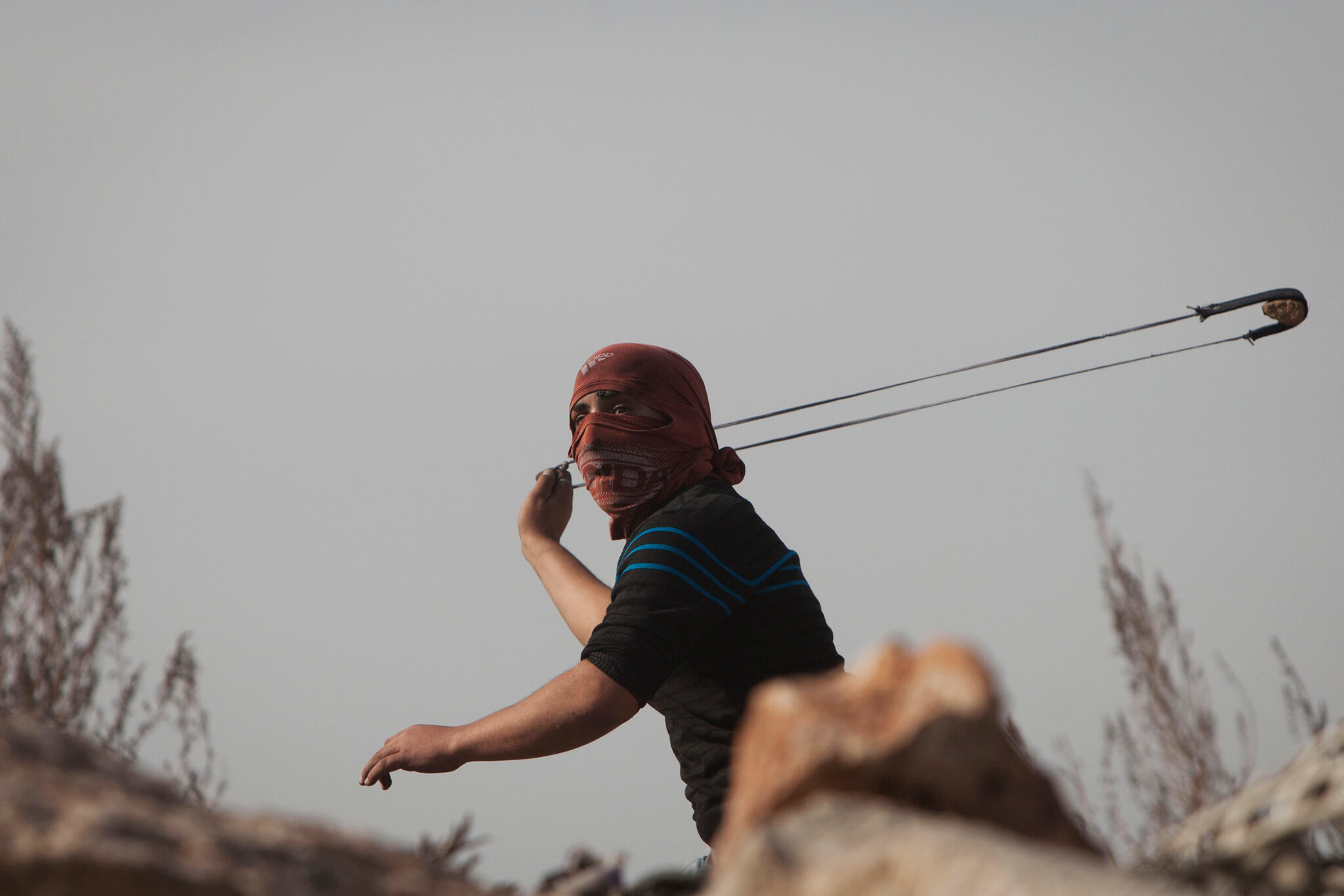
Phil Weiss reports from East Jerusalem where Palestinians say the current violence in the city does not represent a third intifada . . . yet. But there could be an organized uprising if Jewish zealots’ incitements about the Al Aqsa mosque continue. In interviews, these Palestinians say that Israel’s escalation of violence in East Jerusalem has isolated and terrified neighborhoods. “There is no security. You are afraid economically, politically, and physically.” And the individual acts of violence by maddened Palestinians who feel they have nothing to lose reflects the universal demand for human dignity.
On Friday Palestinian protesters crossed Israel’s separation wall by Qalandia checkpoint, the artery from the West Bank to Jerusalem, demonstrating for access to the city that has been ensconced in unrest over the past three weeks. Using makeshift ladders tens of protesters walked over the barrier, but Israeli police prevented them from entering Jerusalem.
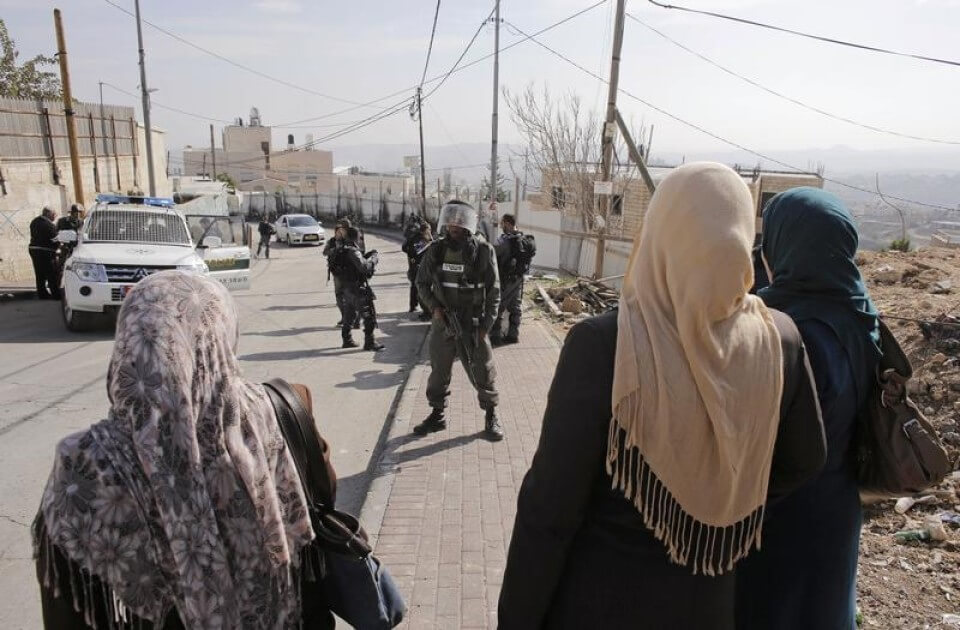
It is nearly unheard of for Israeli police to block Jewish worshipers from reaching the Western Wall. But yesterday afternoon border authorities cinched back a hard plastic retracting wall of a Jerusalem checkpoint to reach the holy structures and for the first time in 14 years they also closed all access to al-Aqsa Mosque compound, preventing prayer in a campaign to stifle unrest smothering Jerusalem.
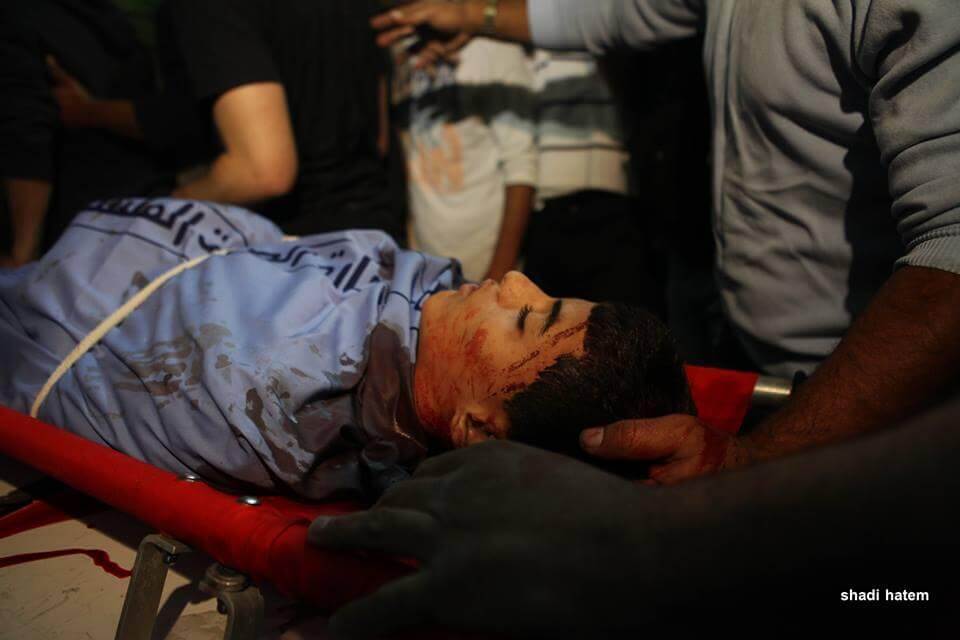
A Palestinian teen with U.S. citizenship was killed today by the Israeli army at a demonstration in the West Bank town of Silwad, near Ramallah. Fourteen-year old Orwah Hammad was shot in the neck with a live bullet, according to Ramallah hospital staff.
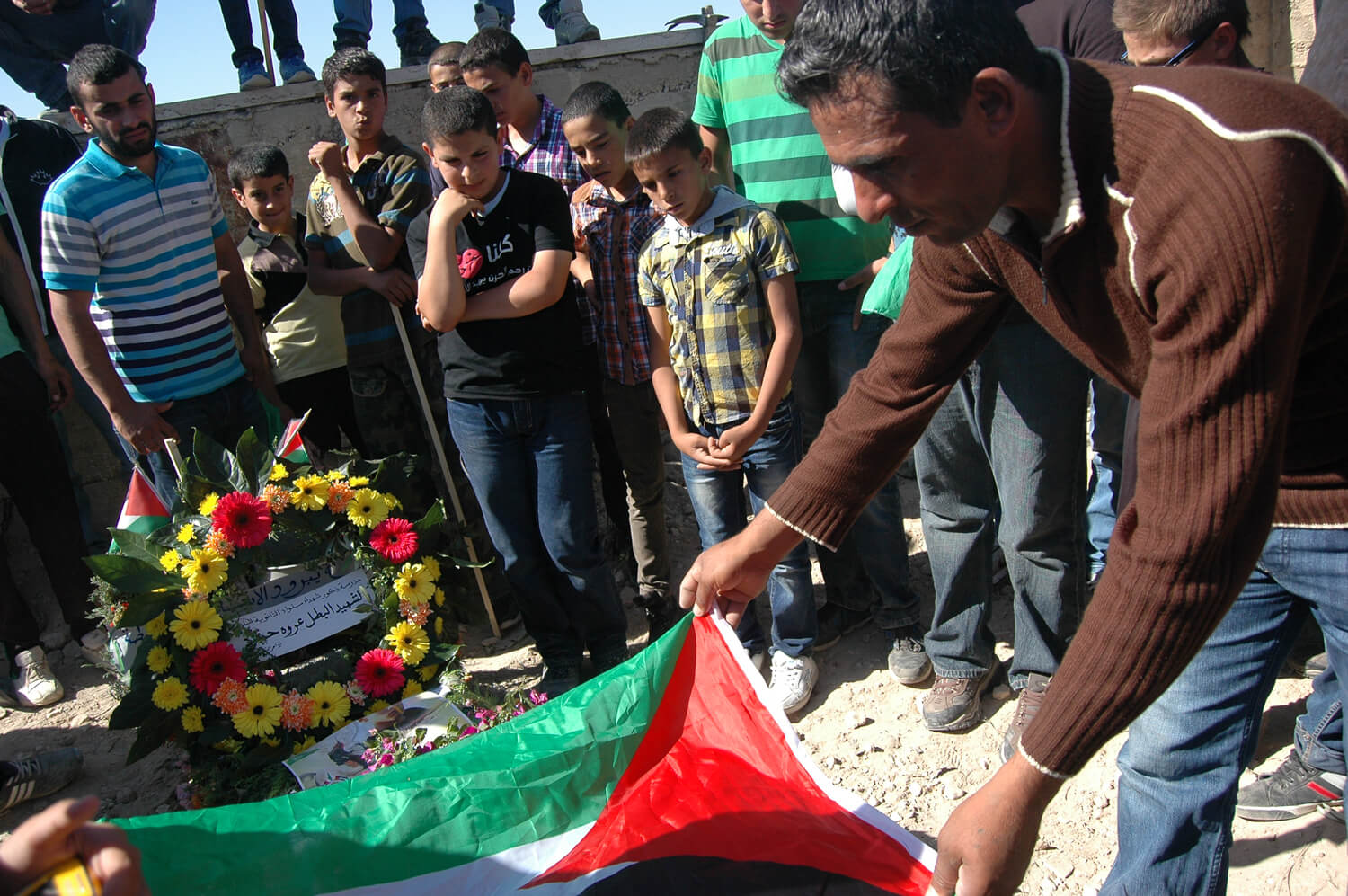
Thousands gathered in the West Bank town of Silwad outside of Ramallah to bury Orwah Hammad, a 14-year old Palestinian-American from Louisiana who was killed by the Israeli army on Friday. Hammad was died after sustaining a gunshot wound to the neck and head during a demonstration against the killing of another Palestinian earlier in the week.