Four Palestinian prisoners being held in the Megiddo prison in northern Israel have officially been diagnosed with the novel coronavirus, sparking fears that the respiratory disease could spread quickly amongst the prison population.


Four Palestinian prisoners being held in the Megiddo prison in northern Israel have officially been diagnosed with the novel coronavirus, sparking fears that the respiratory disease could spread quickly amongst the prison population.
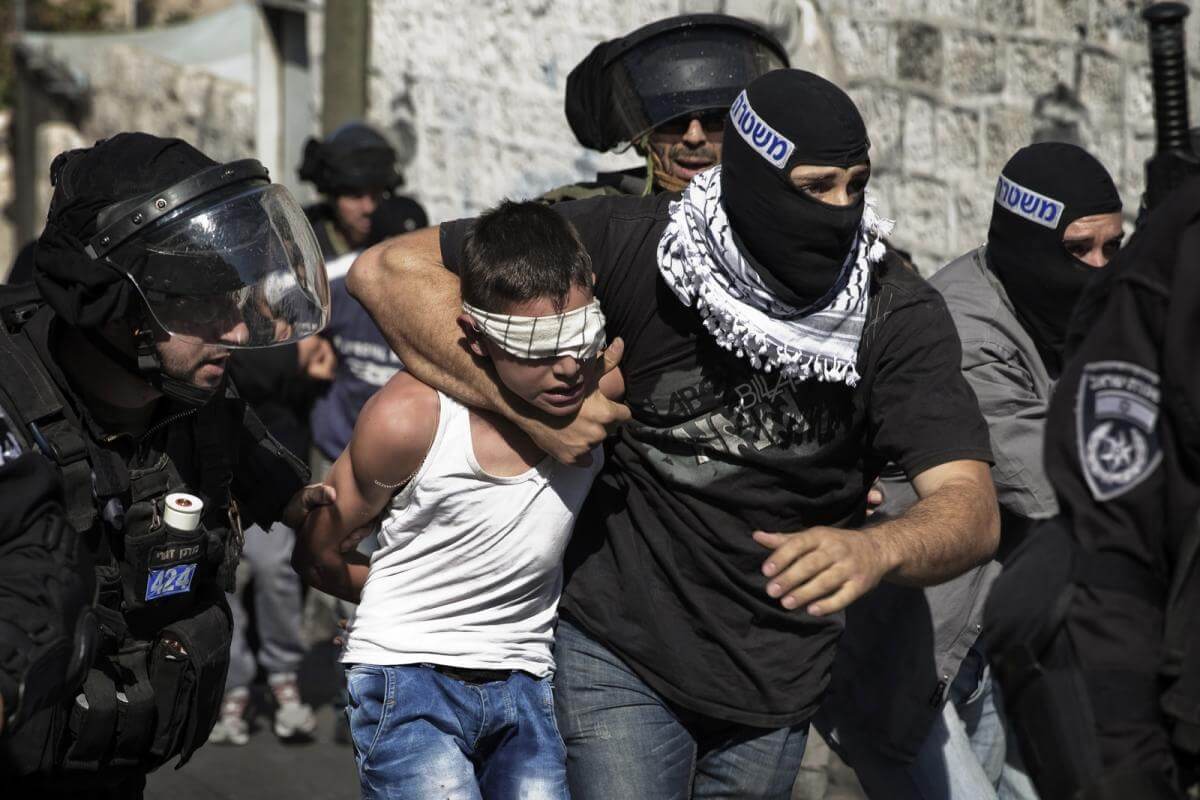
The Palestinian Prisoners’ Society, Prisoners’ Affairs Commission, and Addameer Prisoner Support and Human Rights Association report that in 2019, Israeli occupation forces arrested over 5,500 Palestinians from the occupied Palestinian territory; including 889 children.
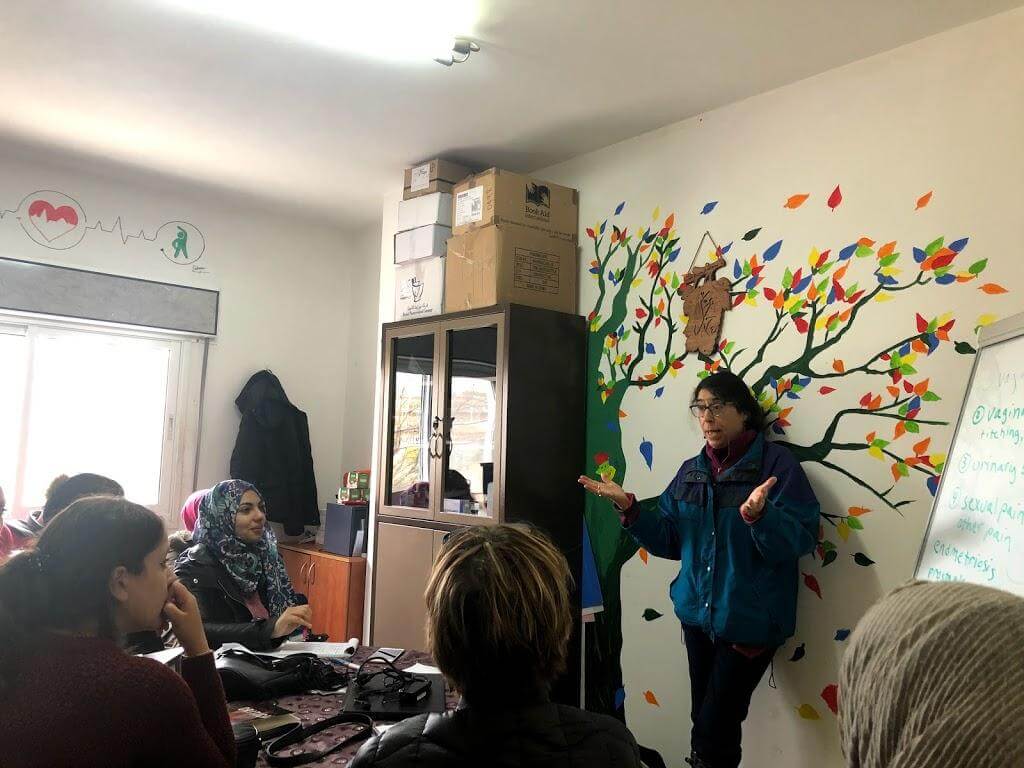
At a session on reproductive health at Aida refugee camp in Palestine, a community health worker asks, “In our political condition, men in prison get their sperm out, illegally, to women. What is the best condition for the sperm to be in?” Alice Rothchild, a visiting doctor, tries to imagine the conditions and desperation that lead to this practice.

Palestinian political prisoners held in Israeli jails won a small but significant victory April 15 when the Israeli Prison Service agreed to several key demands voiced by 400 prisoners who had been on an open-ended hunger strike. The hunger strikers’ apparent victory came just two days before Palestinian Prisoners’ Day, an observation held annually on April 17 to draw attention to the plight of the thousands of political prisoners held—many for very long terms and many without any fixed term at all—in Israel’s broad network of military prisons.

According to Israeli lawmakers, Palestinian prisoners shouldn’t demand more than dry bread and a glass of water. A bullet to the head could be humane too, says member of Knesset Oren Hazan, who took a selfie with Trump,
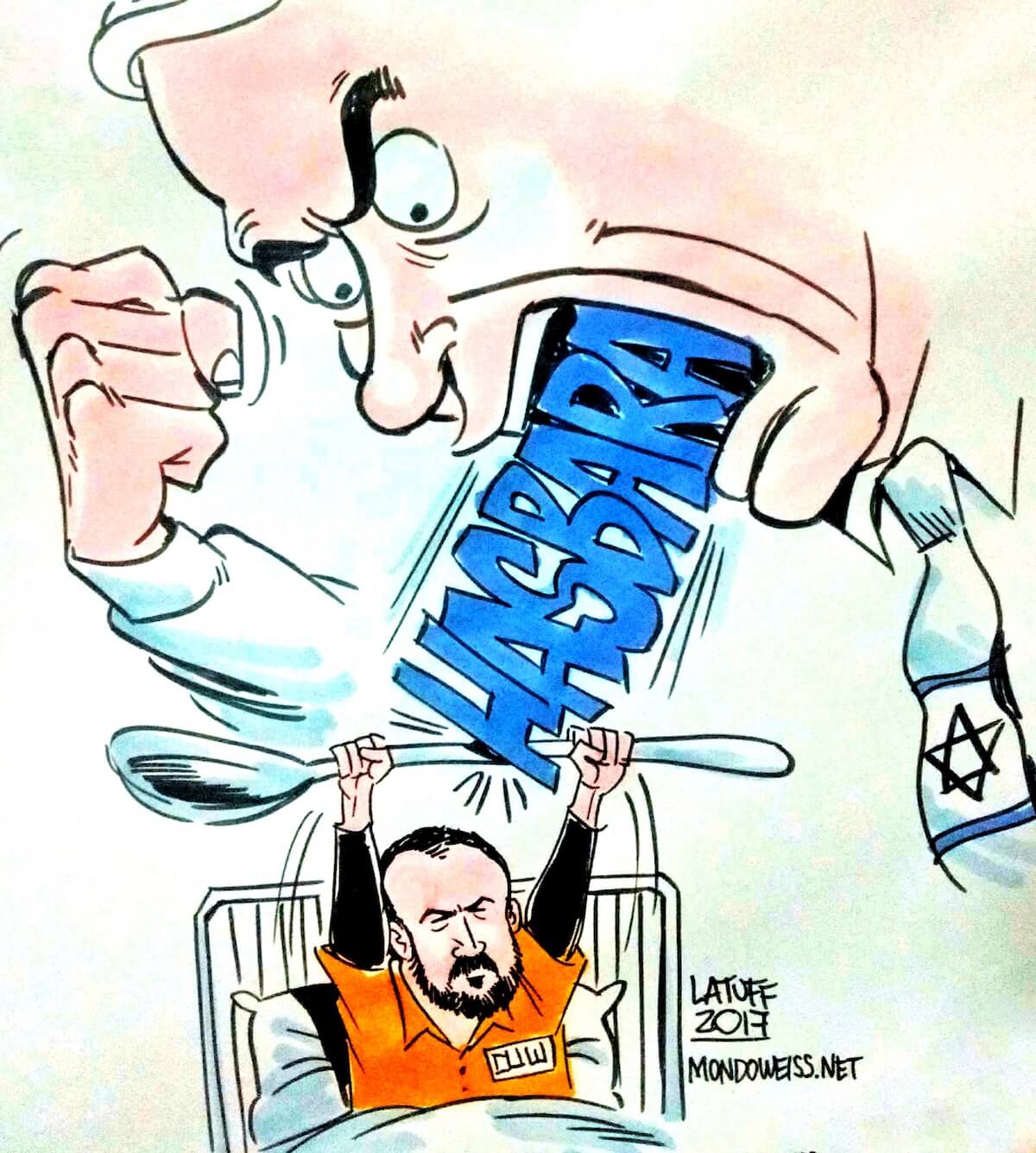
Saturday, after 41 days, the Palestinian prisoner hunger strike came to what seemed to be an end. Issa Qaraqe, director of the Palestinian Prisoners Affairs Commission, declared “80 percent of the demands” of the prisoners were achieved, calling it “an important achievement to build on in the future on the basis of the protection of the prisoners’ rights and dignity.” Israeli Public Security and Hasbara (propaganda) Minister Gilad Erdan countered claims that certain demands were met, saying that “there is absolutely no pledge to grant” any of the other prisoner demands, and said it “appears that this strike failed”. Jonathan Ofir says, “This should be a major source of concern, since it is the Israelis who are the jailer. If they are claiming this essentially did not happen, then there could be a real chance that they would ignore the reported agreements.”
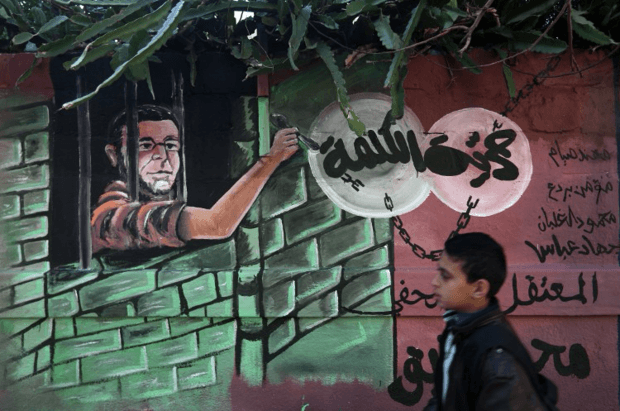
Palestinian-American social worker Aida Qasim writes a poem inspired by the more than 1,000 Palestinian prisoners on hunger strike who entered their 25th day of strike on May 11, 2017.
Nearly 100 Israelis sign onto an open letter endorsing Palestinian prisoners on hunger strike, “We, a group of conscientious Israeli-Jews, would like to express our deep respect and solidarity with you – the 1,500 or more Palestinians who embarked on a collective open ended hunger strike to demand your basic rights.”

Responding to international concerns with respect to the recently declared massive hunger strike held by Palestinian prisoners, the Israeli ministry of foreign affairs declared: “The Palestinian prisoners are not political prisoners. They are convicted terrorists and murderers. They were brought to justice and are treated properly under international law.” Amitai Ben-Abba counts no less than seven lies in this statement.