An entire generation of Palestinian children has been born through sperm smuggled by Palestinian prisoners behind bars. Israel refuses to recognize these children. In doing so, it criminalizes Palestinian life itself.
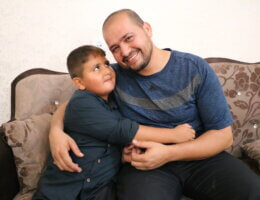

An entire generation of Palestinian children has been born through sperm smuggled by Palestinian prisoners behind bars. Israel refuses to recognize these children. In doing so, it criminalizes Palestinian life itself.

Walid Daqqah broke free during his nearly four-decade imprisonment through his writings, his resistance, and the birth of his daughter, Milad. His lifetime of refusing the prison’s walls has brought us all closer to freedom.
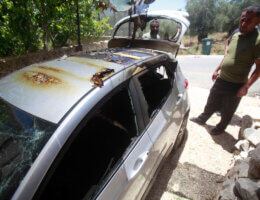
The Israeli settler movement and state both work toward the same goal: the colonization of Palestine, and the repression of resistance to that colonization by the native population.
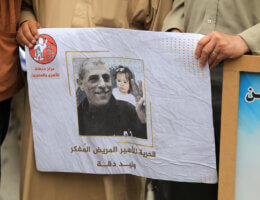
Walid Daqqah’s health continues to deteriorate inside Ramleh prison’s death chambers. Yet “despite all the roughness and challenges of prison, Walid keeps saying, ‘I am still kind and loving'” says his brother, As’ad Daqqah.

Rights groups, experts, and Khader Adnan’s legal team say that Israel caused his death through deliberate medical negligence and cruel and inhumane treatment. In other words, Israel wanted him dead.
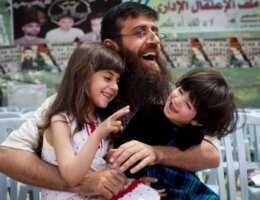
The world lost Khader Adnan after 86 days of hunger strike, and Palestine lost an icon. Yet, in the words of researcher Ashira Darwish, “Freedom means that he left the body that they destroyed.”

Walid Daqqah has become a prolific writer and astute commenter on the Palestinian condition from inside Israeli prisons. He once said that he would write until he is freed from prison, and “in the hopes of freeing the prison from within me.”

Since entering office, Israel’s new government has dramatically increased the repression of Palestinian prisoners, moves which reflect its hostile agenda toward Palestinians as a whole.

The Israeli Knesset is moving toward legalizing a policy that has long existed in practice: the death penalty for Palestinians who resist.

In the aftermath of the Gilboa Prison break, Palestinian prisoners have faced harsh punitive measures by the Israeli Prison Service. They are now fighting back as the Gilboa escapees stand trial.