The struggle for Palestine is inextricably linked to the struggle against the authoritarian regimes in the Middle East. Recent moves by Gulf monarchies to normalize with Israel will only make their rule more unpopular and empower the BDS movement.


The struggle for Palestine is inextricably linked to the struggle against the authoritarian regimes in the Middle East. Recent moves by Gulf monarchies to normalize with Israel will only make their rule more unpopular and empower the BDS movement.
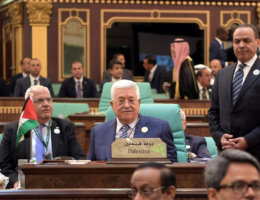
46 years ago, the Arab League led the way in recognizing the PLO as “the sole, legitimate representative of the Palestinian people,” but today those same states are leading the drive toward normalization with Israel. The Arab League appears to have abandoned the Palestinians.
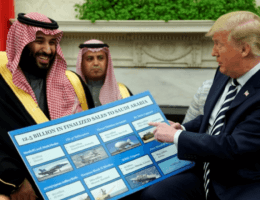
Earlier this month, Rep. Brad Schneider (D-IL) introduced a bill with potentially far-reaching and unprecedented implications for Israel’s ability to nix US weapons sales to the Middle East. H.R.8494, the Guaranteeing Israel’s QME Act of 2020, would mandate the president to consult the Israeli government “for information regarding Israel’s qualitative military edge” before the selling weapons to other Middle Eastern countries.
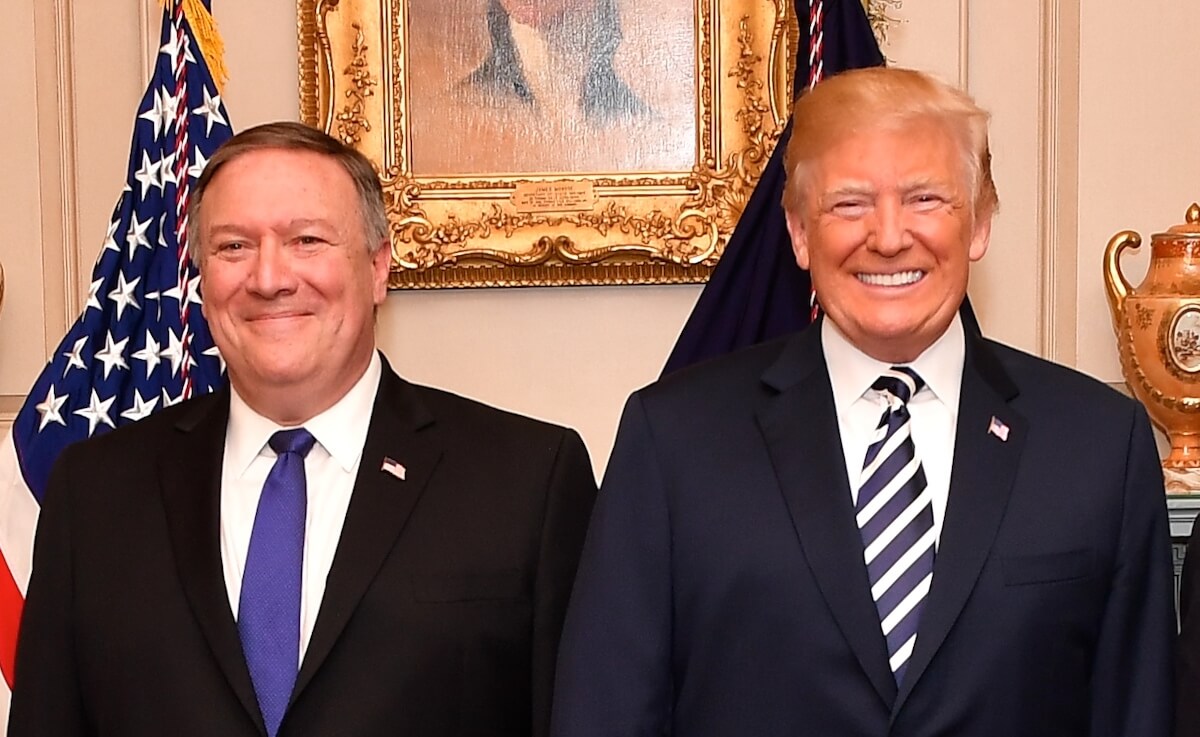
The United States has the dubious distinction of being the world’s leading arms dealer. It dominates the global trade in a historic fashion and nowhere is that domination more complete than in the Middle East.
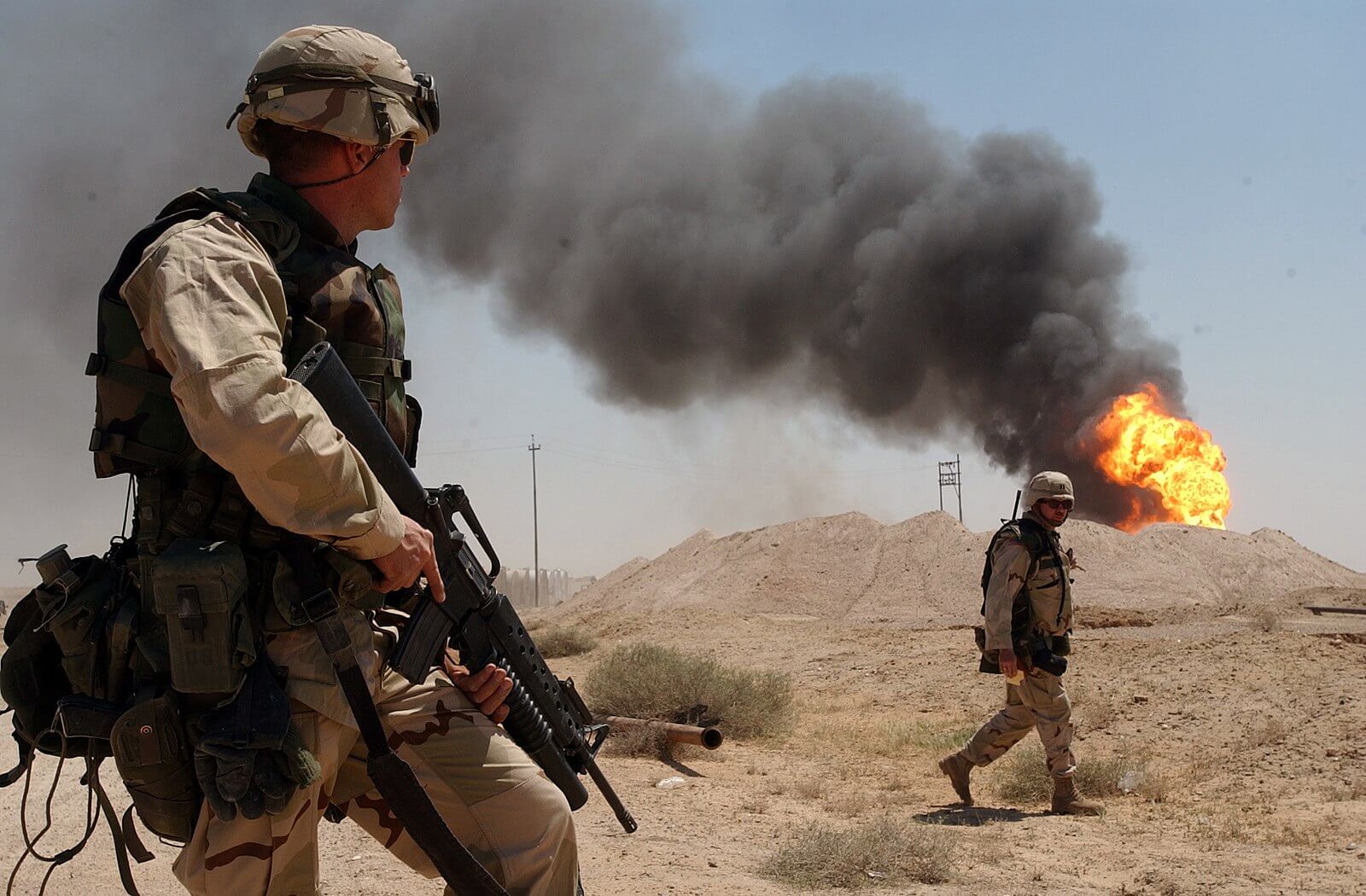
Robert Vitalis’s new book, “Oilcraft” argues the US militarization of the Arabian Gulf is based on false ideas about controlling oil. But history shows this control is central to maintaining hegemony, which is the US goal.
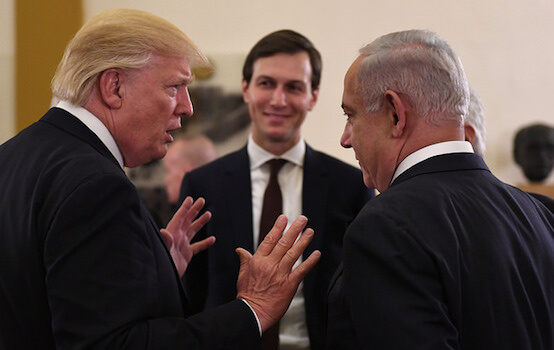
The deals with the UAE and Bahrain show Israel’s economic power and favor in Washington–and expose its persecution of Palestinians in the name of “the one and only Jewish state,” as Netanyahu describes his country.
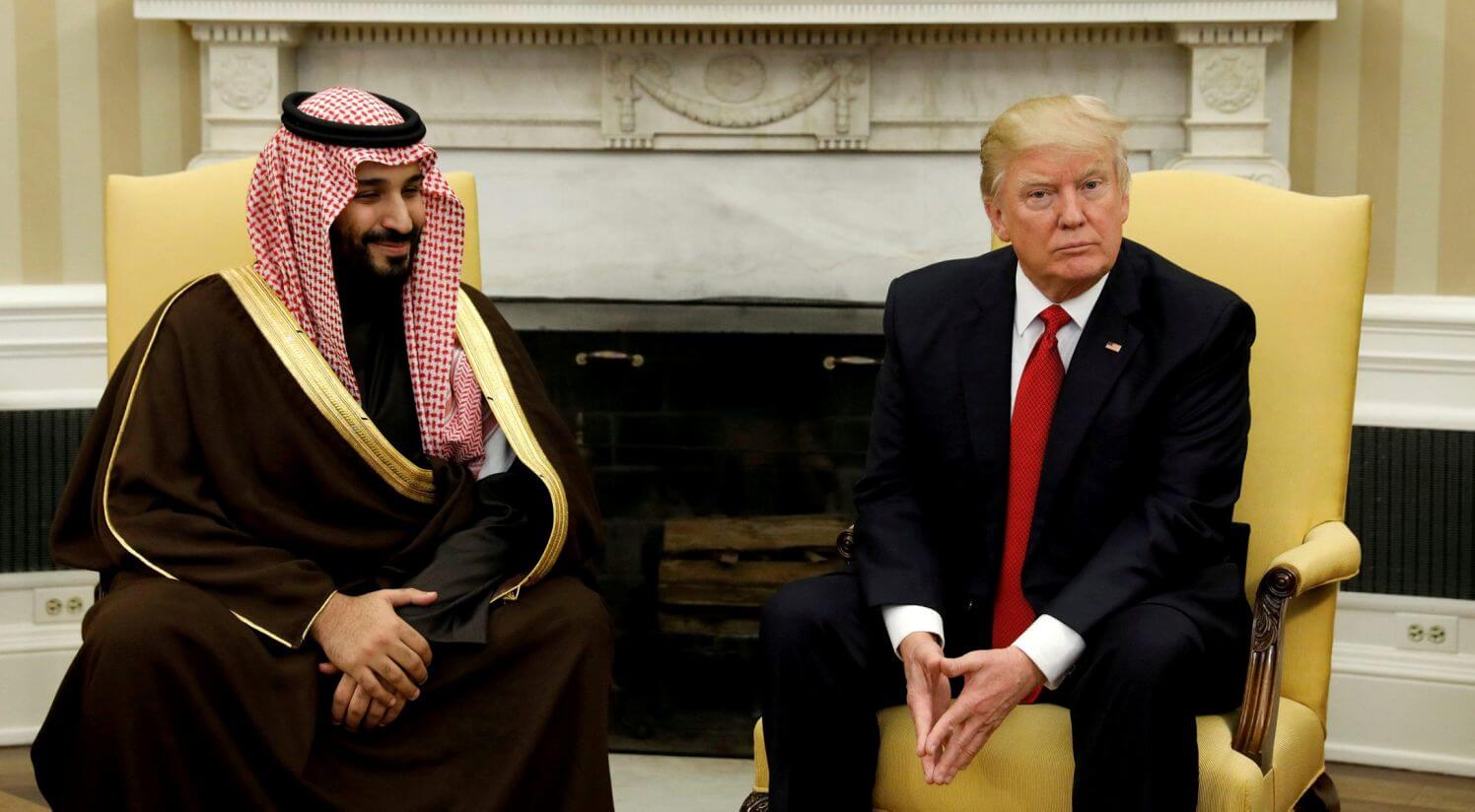
The new book ‘Blood and Oil” is an alarming portrait of Mohammed Bin Salman, the unstable, murderous 35-year-old who rules the oil-producing kingdom of Saudi Arabia.

The Bahrain-Israel deal is significant because the kingdom is a virtual protectorate of the Saudis. There are serious concerns that a Saudi involvement with Israel will only lead to further tightening of measures against the Palestinian cause. And Iran will rise in prestige in Palestinian global affairs.

The latest recognition deal is clearly a win for Israel, Benjamin Netanyahu and Donald Trump — but it could provoke popular resistance inside Bahrain, where a democratic movement was put down in 2011 with the assistance of Saudi Arabia, Bahrain’s neighbor and boss.

The Israel-UAE deal stems from the colossal failure of Trump-Netanyahu’s “Peace plan.” They could not get annexation off the ground. Annexation actually brought on the possibility of sanctions from Europe, and global isolation, and Israel found an exit ramp from the failed plan by dragging a quiet Arab partner into the light, Sam Bahour says.