Tag

US Policy in the Middle East

Browsing
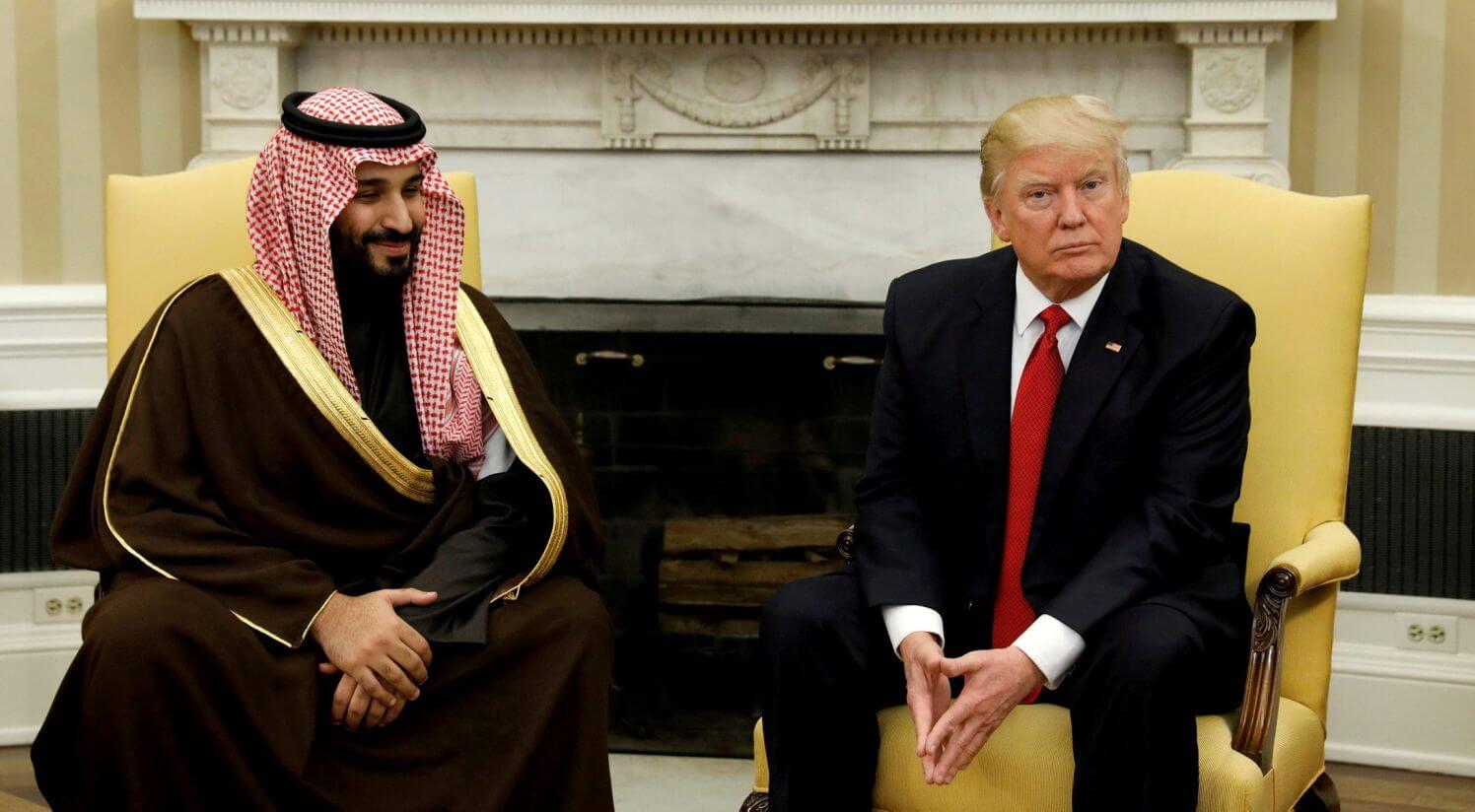
President Donald Trump (R) holds up a chart of military hardware sales as he meets with Crown Prince Mohammed bin Salman of the Kingdom of Saudi Arabia in the Oval Office at the White House on March 20, 2018 in Washington, D.C.

Earlier this month, Rep. Brad Schneider (D-IL) introduced a bill with potentially far-reaching and unprecedented implications for Israel’s ability to nix US weapons sales to the Middle East. H.R.8494, the Guaranteeing Israel’s QME Act of 2020, would mandate the president to consult the Israeli government “for information regarding Israel’s qualitative military edge” before the selling weapons to other Middle Eastern countries.
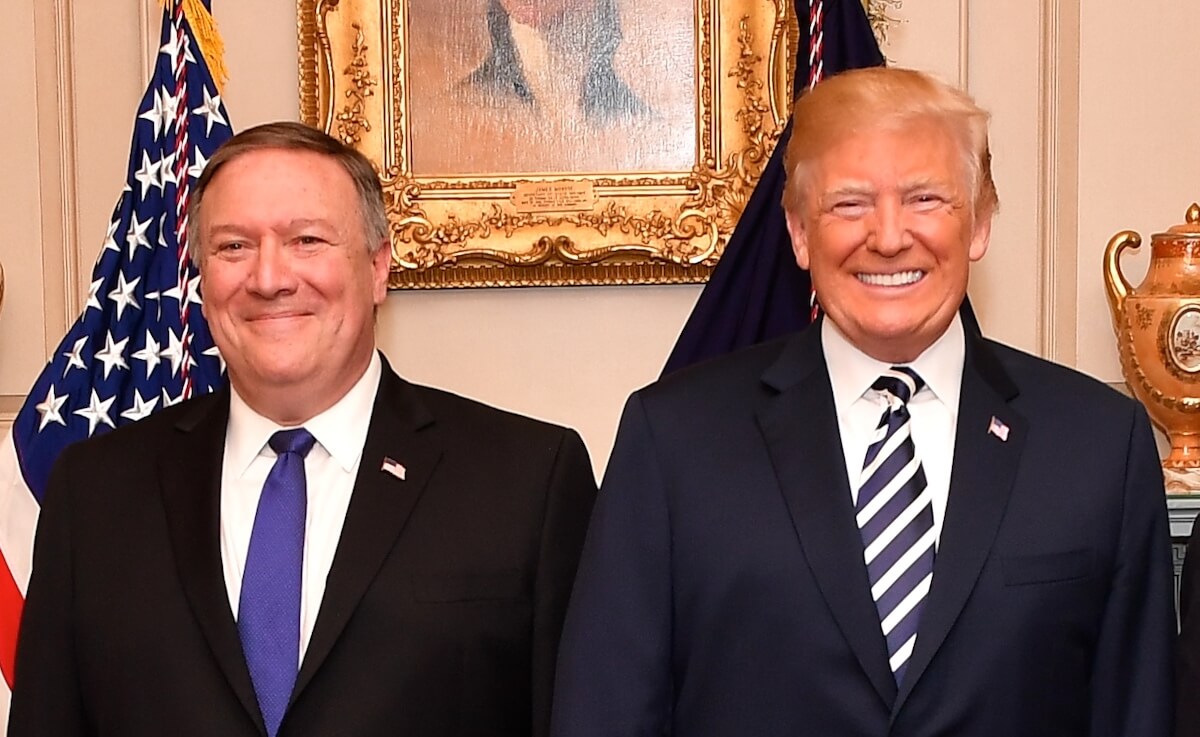
U.S. Secretary of State Mike Pompeo poses for a photo with President Donald J. Trump before his swearing-in ceremony at the U.S. Department of State in Washington, D.C., on May 2, 2018. (Photo: State Department photo)

The United States has the dubious distinction of being the world’s leading arms dealer. It dominates the global trade in a historic fashion and nowhere is that domination more complete than in the Middle East.

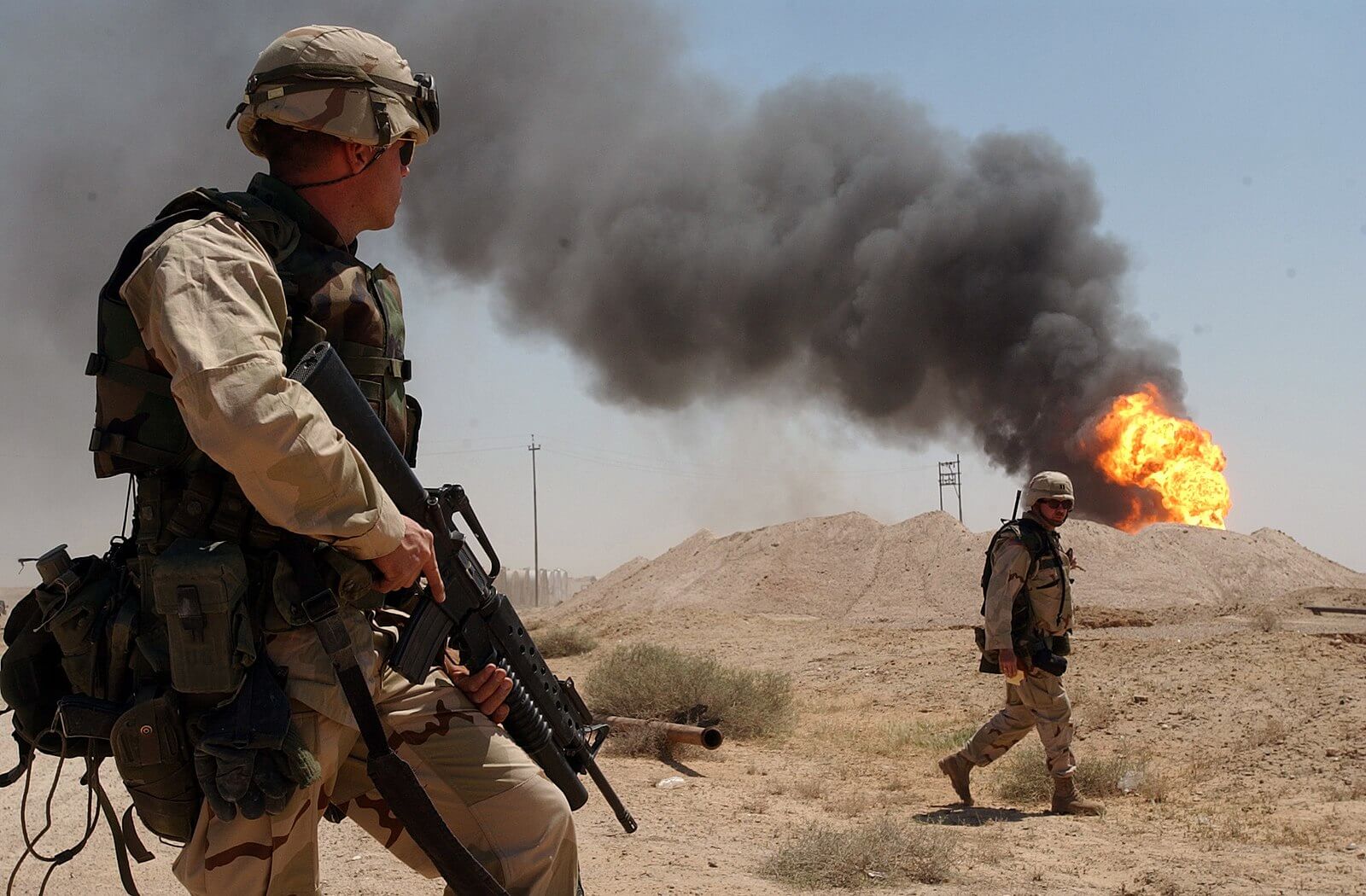
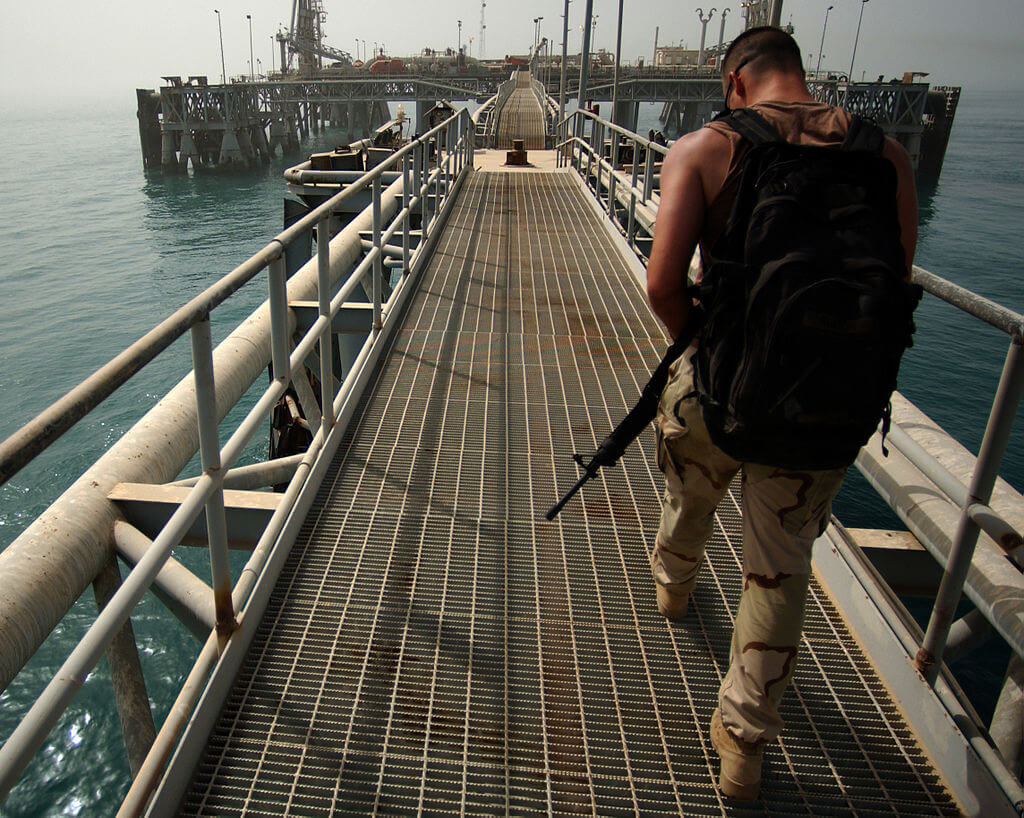
U.S. Army Sgt. stands guard duty near a burning oil well in the Rumaylah Oil Fields in Southern Iraq, Apr. 2, 2003. (Photo: US Navy/Wikimedia)

Robert Vitalis’s new book, “Oilcraft” argues the US militarization of the Arabian Gulf is based on false ideas about controlling oil. But history shows this control is central to maintaining hegemony, which is the US goal.

On Tuesday, September 15, Donald Trump will host a ceremonial signing of deals to normalize relations between Israel and the UAE and Israel and Bahrain. Activists will gather to protest these deals which are not about peace but about furthering Israel’s systems of occupation and apartheid. The protest will be led by a coalition of over 50 Palestinian rights organizations and groups, many of which are led by Palestinian Americans and Arab Americans.

(Cartoon: Carlos Latuff)

Next week, Donald Trump will host a ceremonial signing of the Israel-United Arab Emirates deal to normalize relations between the two countries. The deal has been condemned by many for failing to secure even a single concession for Palestinians. But shortly after the deal was announced, another downside — and perhaps the U.S.’s primary motivation for pursuing the deal — came sharply into focus: tens of billions of dollars in UAE weapons sales.