Tag

US Politics

Browsing

Menachem Zivotofsky was born in Jerusalem in 2002 to American parents. His lawyers are currently arguing before the U.S. Supreme Court that his passport should designate “Israel” as his place of birth, but Supreme Court Justice Elena Kagan responds that’s absurd. Zivotofsky’s case has received much attention and several stalwarts of the Israel lobby are hoping for a ruling that essentially grants Congress the authority to overrule the White House when setting policy on Jerusalem. Described as both “a proxy war for U.S. foreign policy toward Israel” and “foreign policy minefield,” the implications of the Supreme Court’s decision could have lasting repercussions not just to US politics and national interest, but for the Middle East.

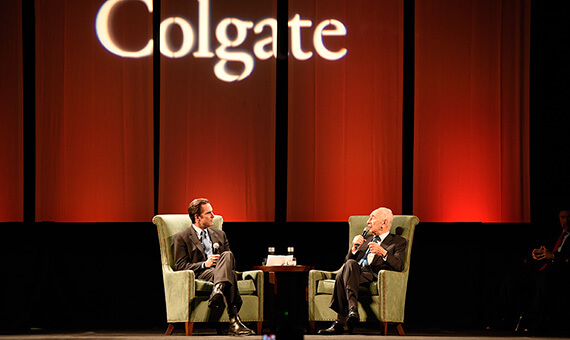
When Times columnist David Brooks revealed that his son was in the Israeli army in Aspen on July 1, folks gasped, but no journalist picked up on it. That’s how the establishment works.

I was drawn to Auschwitz to see how I would react, both emotionally and intellectually. Would visiting Auschwitz force me to reconsider my position on the State of Israel and my opposition to the type of Zionism that drives it? Would standing in the one extant gas chamber at Auschwitz 1 force me to consider my luck at having been born a Jew in 1976 in New York as opposed to 36 years earlier somewhere in Europe and therefore change my political values?

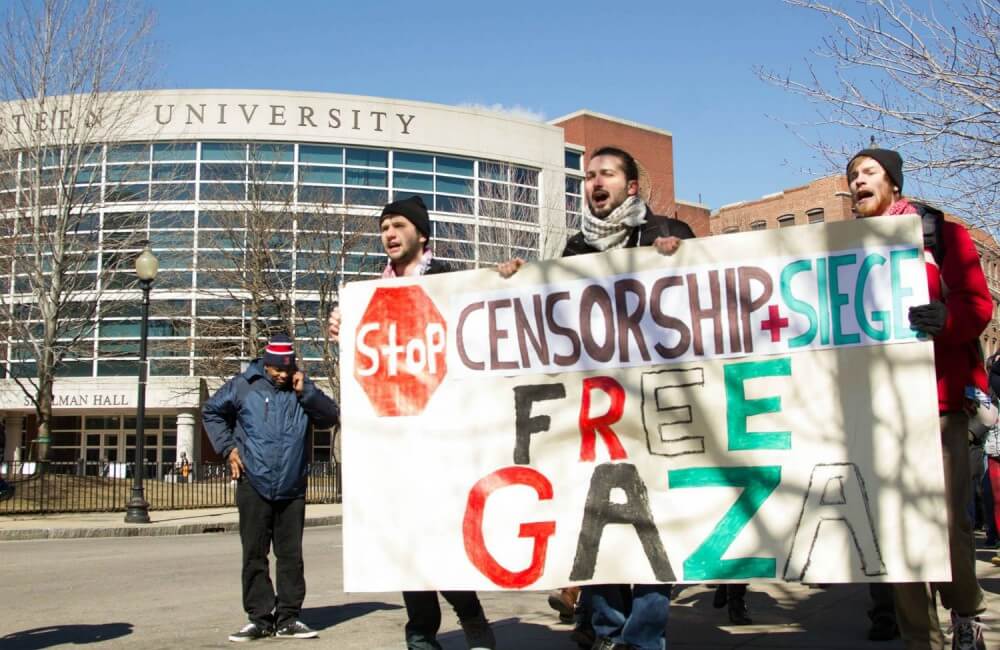
Northeastern chapter of Students for Justice in Palestine protesting censorship on campus. (Photo courtesy of Northeastern SJP)

It is a well-established principle that public universities are bound by the First Amendment. You might not know this from talking to students who are speaking out for Palestinian rights. In the past eight months, Radhika Sainath has given 15 know-your-rights workshops to students from nearly 70 different universities. Despite her extensive conversations with SJPers, she continues to be surprised at the level of repression these students face from their administrations.

On September 19, the administration of Loyola University Chicago temporarily suspended Loyola Students for Justice in Palestine (SJP) and opened an investigation of the organization. The actions, which will culminate in a disciplinary hearing on Thursday evening, came after a diverse group of students gathered at a table hosted by Taglit-Birthright Israel, which provides trips to Israel exclusively for Jewish students, to register and ask questions about the program. Loyola’s investigation is part of a broader censorship of political speech on university campuses around the US over issues related to Israel and Palestine.

While Steven Salaita has received massive support from colleagues, students, community groups, and others in the US, what has received less attention is the support he has received from outside the US. This is extremely important, for as protests against Israel continue and in fact grow across the globe, one should understand that such acts of silencing resonate with those beyond US borders. Today it is clear that criticism of Israel is the issue, and that the significance of Salaita’s case is not limited to the US.

Are there any in more active complicity in the destruction of Palestine than Palestine’s well-wishers? J Street’s October 28 statement is the latest example of a “pro-peace” organization that is doing nothing to advance an end to the conflict in Israel/Palestine.