In the wake of the United States’ invasion of Venezuela, countries around the world are asking what this means for them. For Israel, it could mean an opportunity for another conflict with Lebanon or Iran that Netanyahu has been vying for.
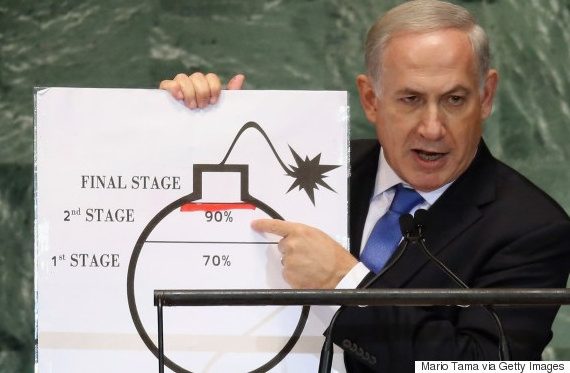

In the wake of the United States’ invasion of Venezuela, countries around the world are asking what this means for them. For Israel, it could mean an opportunity for another conflict with Lebanon or Iran that Netanyahu has been vying for.

Mondoweiss interviews educator and author Geo Maher about the Trump administration’s attack on Venezuela and how it fits into its broader foreign policy strategy.

The recent sound of explosions over Venezuela, Palestine, Lebanon, Syria, Iran, Iraq, Somalia, Yemen, and Nigeria are not merely the spasms by a declining U.S. empire. They are something much more terrifying — the dawning of the age of impunity.

The people of the world, especially those in the Global South, must move beyond symbolic support to take concrete actions, such as grassroots organizing, BDS, and South–South solidarity, to end Israel’s settler-colonial project.
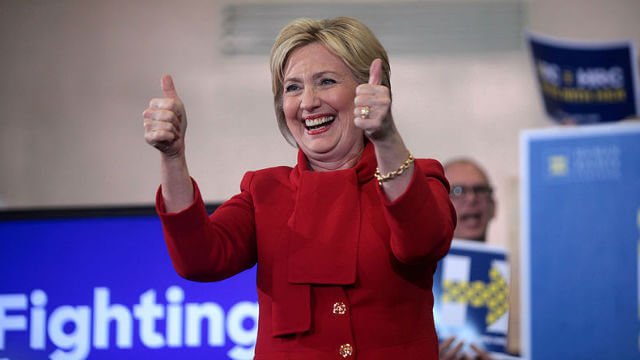
Obama speechwriter Sarah Hurwitz was recently lambasted on social media for claiming that horrific images of genocide in Gaza were unfairly complicating efforts to defend Israel. Somehow, Hillary Clinton has managed to outdo her.

In 1947, Latin American countries led by Guatemala played a crucial role in passing UN Resolution 181, setting in motion the goal of partition in historic Palestine. However, Cuba’s anti-colonial history offers an alternative which can still be revived today.

As the international community divides over who to back for leader of Venezuela—President Nicolás Maduro or opposition legislator Juan Guaidó, who has declared himself the rightful head of government—the Palestinians of Gaza see an unsettling similarity to their own history. “There is a similarity between the Palestinian people and the Venezuelan people,” observes Nisreen Abu Amra, a member of Gaza’s Central Committee for the Democratic Front for the Liberation of Palestine. “We are in the same trench, facing a reactionary, imperialist conspiracy led by the United States of America and Israel.”