A conversation about friendship and the loss of loved ones in a martyr’s cemetery in Palestine.
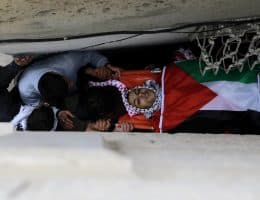

A conversation about friendship and the loss of loved ones in a martyr’s cemetery in Palestine.
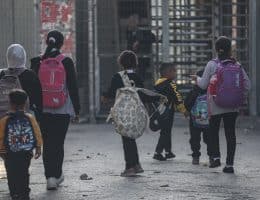
The Israeli occupation is instigating an economic collapse in the West Bank, forcing public schools to operate only three days a week. Teachers and parents say an entire generation is being denied the right to education.
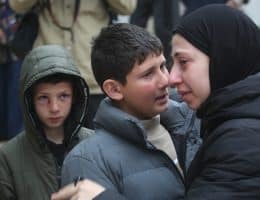
The Bani Odeh family was out shopping before the holidays when Israeli forces opened fire on their car, killing both parents and two young children. The other surviving siblings recount being dragged and beaten by soldiers after their family was killed.
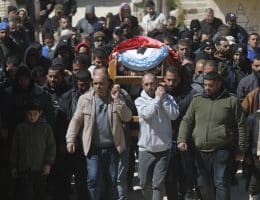
Israel is cracking down on Palestinians in the West Bank and pushing the territory to the brink of a major conflagration. Here’s why.

With the world’s attention focused on the U.S.-Israeli war on Iran, Israel is making conditions unlivable for Palestinians in the West Bank. Residents say that every Israeli measure to “strangle” Palestinians feels like it’s “irreversible.”
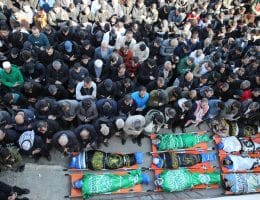
The Gaza genocide, in its relentless accumulation of dead children, obliterated neighborhoods, and starved bodies, is an assault on the capacity of Palestinians to be horrified by everyday atrocities — or to be enchanted by the possibilities of liberation.
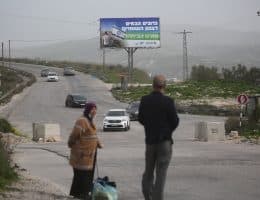
Israeli violence in the West Bank isn’t as dramatic as in Gaza, but it is methodical, durable, and sometimes harder to understand. Here’s how Israel is using settler terror, financial policies, and legal tactics to suffocate Palestinian life.

The Israeli government recently took radical steps to change the legal status quo in the West Bank. Here’s what these changes mean and how they set the stage for annexation.
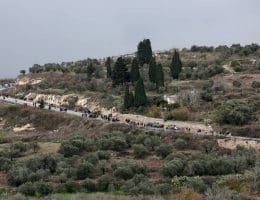
Israel has begun rebuilding the four settlements that it evacuated in the northern West Bank in 2005. Settlers and the army are trying to expel Palestinian already living in the area by making the land “impossible to live on,” residents say.

The last family in the Palestinian village of Yanoun left their home last week, joining a growing list of communities that have been erased from existence through the establishment of Israeli “shepherding outposts” in their place.