A crop of bills and resolutions in Congress and state legislatures are targeting the boycott, divestment and sanctions (BDS) movement. Some are mere resolutions expressing an opinion, while others have teeth. But they are all united in seeking to stigmatize the BDS movement as beyond the pale.
Israeli Prime Minister Benjamin Netanyahu claimed Jerusalem has always been the capital “of the Jewish people alone, not of any other people” at a Jerusalem Day ceremony on Ammunition Hill, in Israeli-occupied East Jerusalem on May 17. Netanyahu also pledged to “continue to build and nurture [Jerusalem], to expand her neighborhoods.”
Michael Lesher writes, “‘Jerusalem Day,’ celebrated in Israel on Sunday – the annual commemoration of the IDF’s seizure of East Jerusalem in June 1967 – ought to be the most unsettling day of the year for religious Jews.”
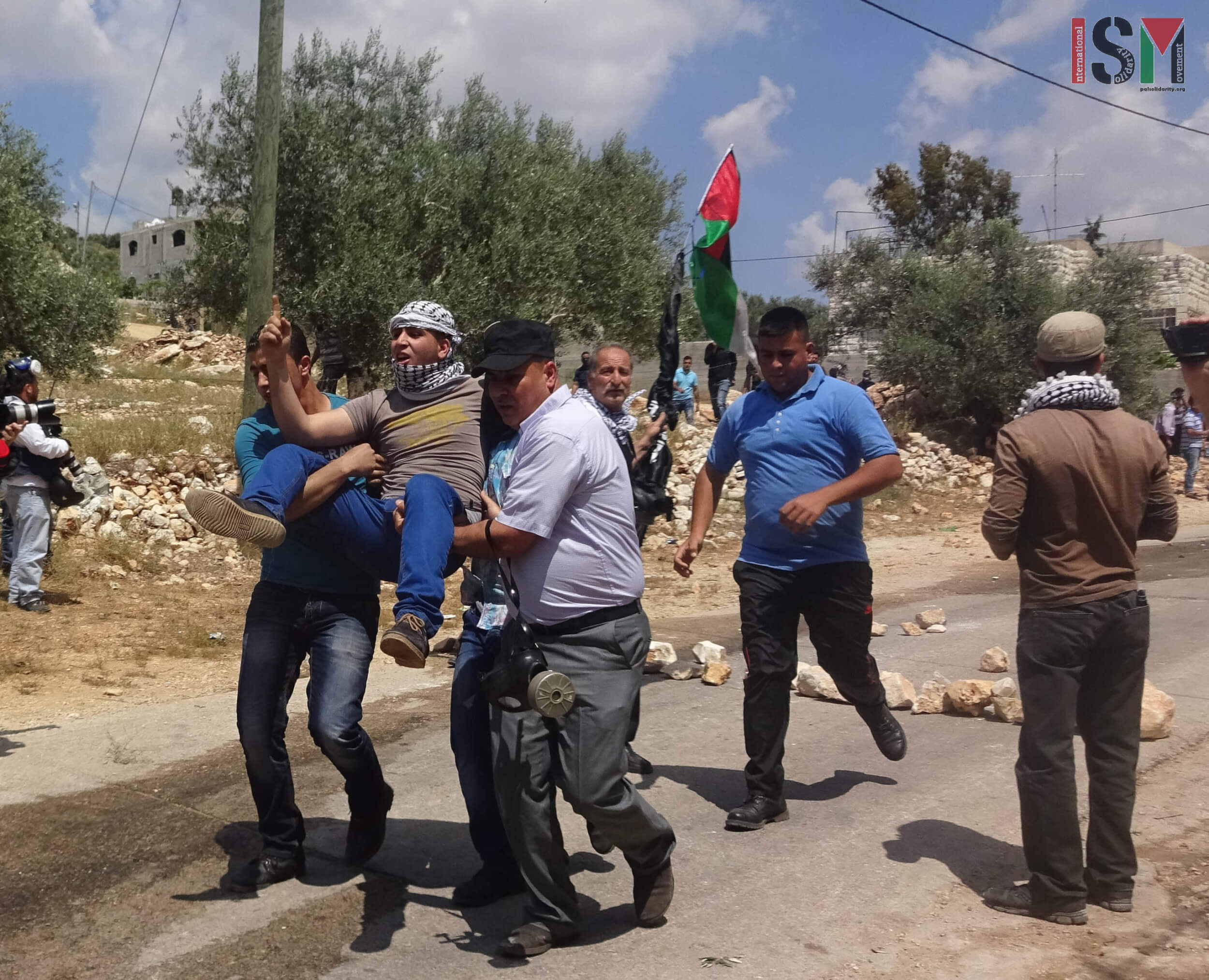
AFP reports: “Israeli soldiers fired tear gas, rubber and live bullets at Palestinians in the occupied West Bank and Gaza Strip on Friday, wounding at least 21 people, medics and security sources said. Clashes took place near Ramallah and farther north in Nablus, after a new Israeli cabinet took office and as Palestinians marked 67 years since the Nakba.”
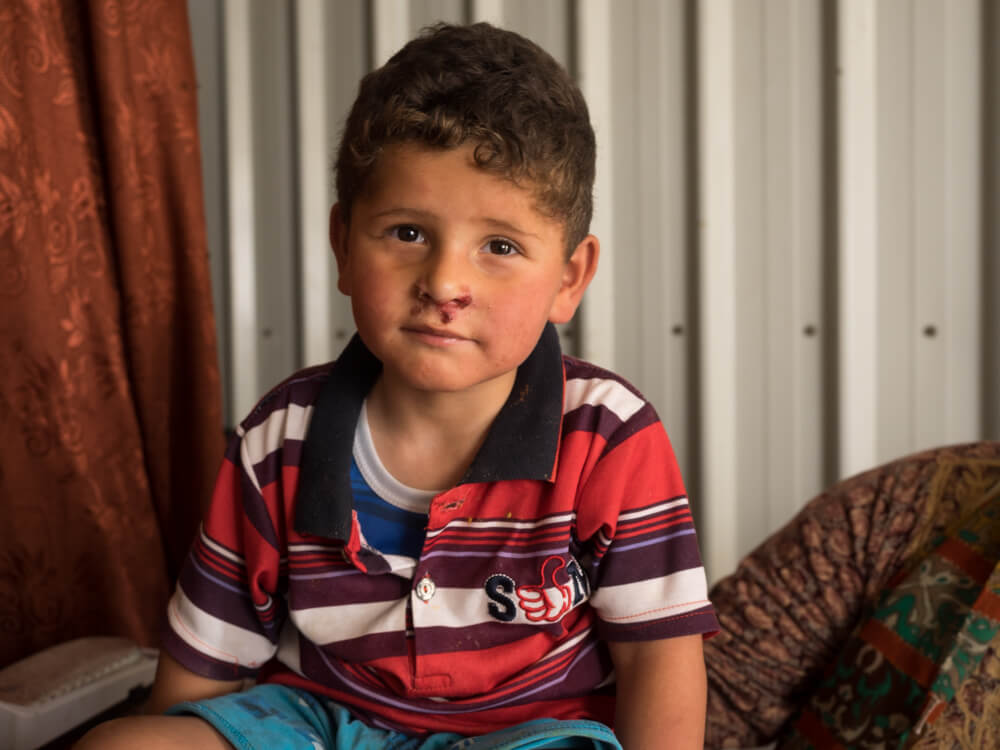
Two and half year old Ahmad Najjar is one of 700 children in the Gaza Strip who suffer from Phenylketonuria (PKU), a hereditary disease that causes phenylalanine to build up in the body that can inhibit mental and physical development. The disease is easily treatable in wealthy countries — PKU requires a medical formula that is often in the form of milk as well as a carefully planned diet — but in the Gaza Strip, where 80% of the regular diet is detrimental to PKU patients, this formula is impossible to find due to the Israeli/Egyptian siege.
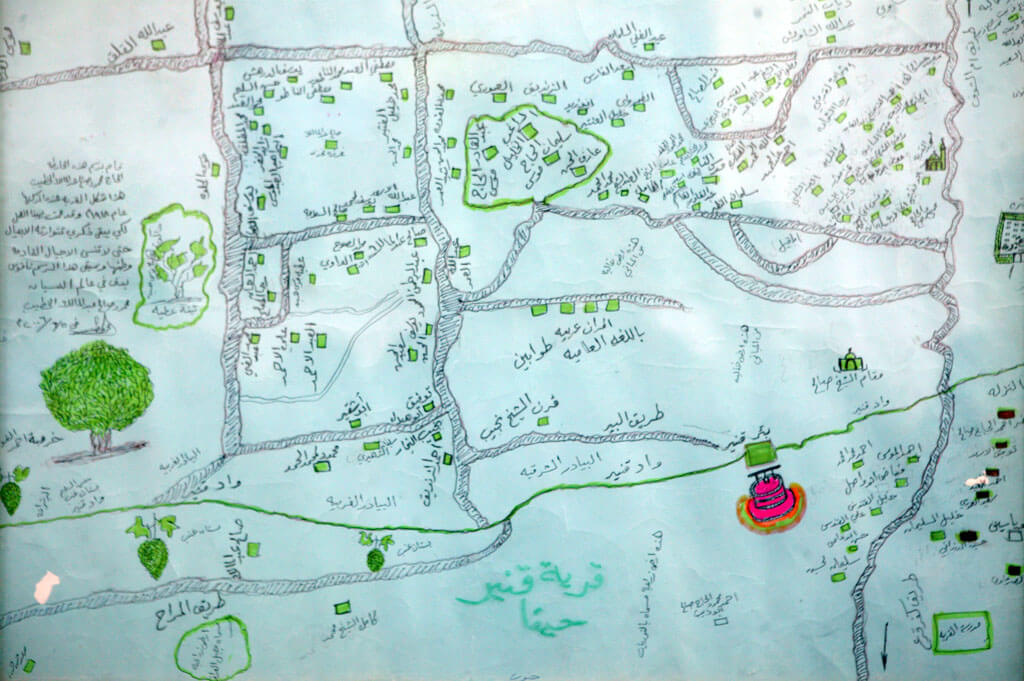
Amer Hussein’s grandmother passed away three days ago, just days before the 67th commemoration of the Nakba, when she was forced from her home in Palestine. He writes, “I was not left with a key to a house like many other Palestinians; my only inheritance is their memories. Memories handpicked like sweet grapes from their vineyard to compose a memory book; our passport for return, and a burden to never forget the 6 olive trees, the jasmines and the water well.”
Margaret Sullivan, public editor of the Times, slams NYT editors for running a story that equated BDS with anti-Semitism and left out Jewish students who support the movement. A victory!
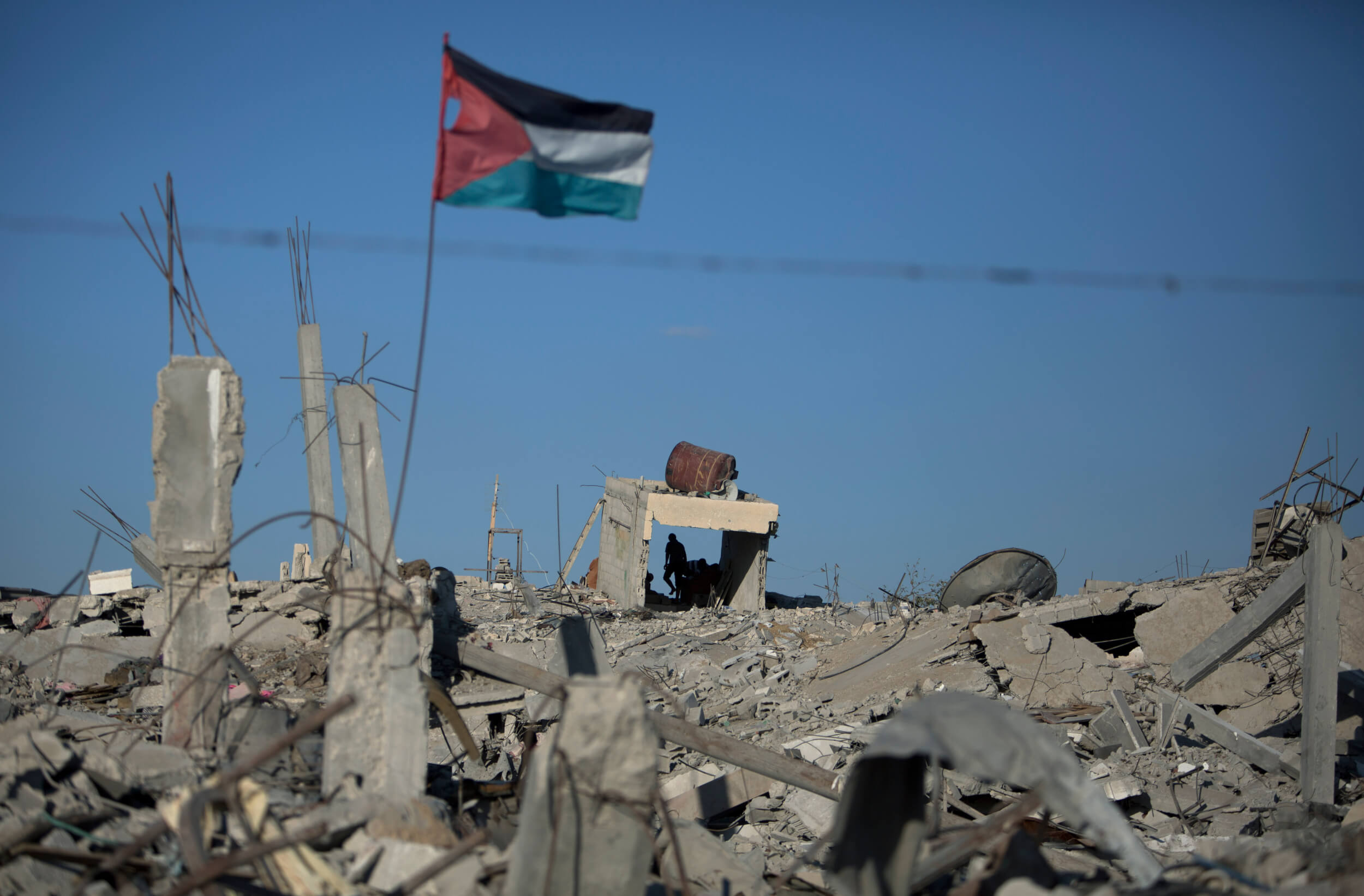
As Palestinians commemorate the Nakba, the catastrophe in 1948 when more than 700,000 indigenous Palestinians were ethnically cleansed from their homes by Zionist militias and later the State of Israel, life in the occupied and besieged Gaza Strip is reaching a fatal tipping point, as the UN has warned. Given the human catastrophe that Gaza is facing and Israel’s threats of more atrocities, a coalition of Palestinian NGOs calls on governments and international bodies to take immediate action.
On Nakba Day, Mariam Barghouti writes about her grandfather. She says even when his memory fails, sometimes mixing up his grandchildren, he can still tell you the stories of Palestine in perfect detail. She says such recollection acts as the burden and savior of Palestinians. She writes, “It is within that memory we find pain, and within that memory we implement our existence.”