Archive

August 2015

Browsing

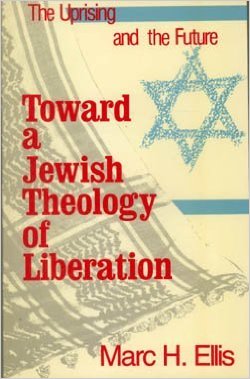
The theologian Marc Ellis gave a sensational speech at the Carter Center in 1988, on the Palestinian uprising and the Jewish people. Friends fearing for his safety accompanied him from the hall. The next day he was seated across from Jimmy Carter and the president expressed anger at the Begin government for not following through on commitments at Camp David

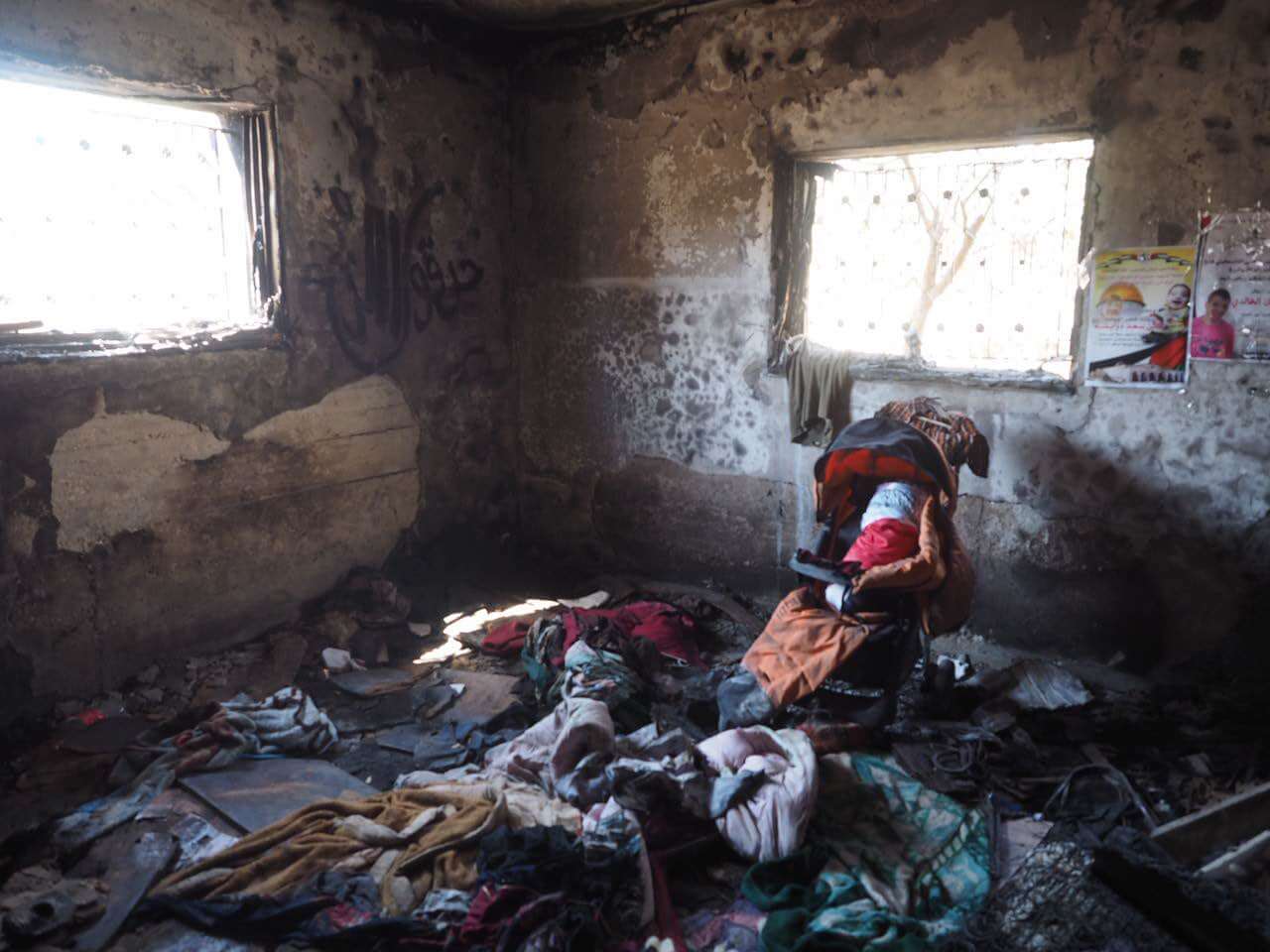
Since the settler firebombing that burned alive eighteen-month-old Ali Dawabshe and killed his father Sa’ad, Palestinians in Duma and other villages have formed night patrol groups to confront settler incursions. Unarmed, they have no means to repel settlers who have the full backing of the Israeli military. “We don’t have anything to defend ourselves or any equipment. We just try to warn people if we see something,” said one member of the Dawabshe family who identified himself as Akram, preferring to use a pseudonym for his own security.

James M. Wall reflects on his relationship with Jimmy Carter following the news that, at age 90, the former US president is fighting liver cancer. Wall writes: “Carter’s courageous truthfulness is interwoven with his stubbornness and his determination to see a larger picture as it unfolds. When he sees the truth, he follows it, regardless of the consequences.”

The Israeli occupation is the chief structural barrier to quality healthcare for Palestinians—it has exacerbated existing inequities in the population and has given rise to a host of issues unique to this devastating political reality. The structural aspects of the occupation —political, economic, and social— collectively mitigate access to quality health care for Palestinians in Gaza, the West Bank, and Jerusalem. Healthcare is not just measured in mortality statistics or disease prevalence. National health systems are highly influenced by the political climate surrounding them, and as Norwegian physician and activist Mads Gilbert puts it, “Medicine and politics are Siamese twins.”

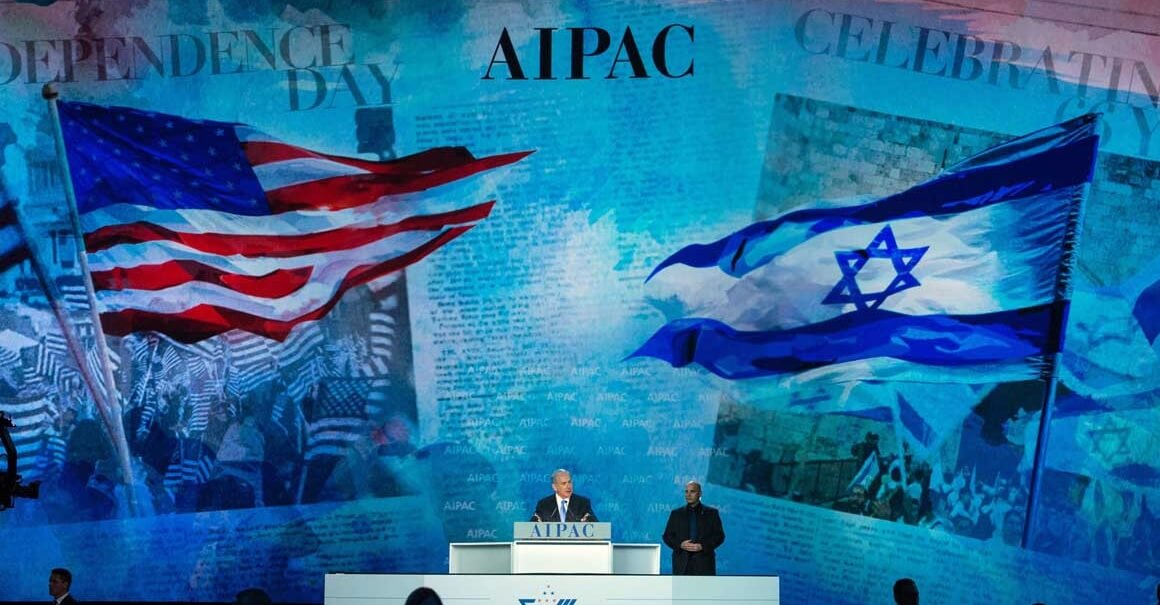
Israeli Prime Minister Netanyahu speaking at the AIPAC 2015 Policy Conference (Image: Getty Images)

The American Israel Public Affairs Committee (AIPAC) is throwing mountains of money around in an attempt to derail the Iran nuclear deal. NPR says AIPAC will spend $20 million to $40 million to oppose the Iran deal, but that might be a conservative estimate.