The Washington Post has now run Elliott Abrams’s angry rejection of two liberal Zionists’ call for a boycott of Israel, and six readers’ letters, but no response from a Palestinian


The Washington Post has now run Elliott Abrams’s angry rejection of two liberal Zionists’ call for a boycott of Israel, and six readers’ letters, but no response from a Palestinian
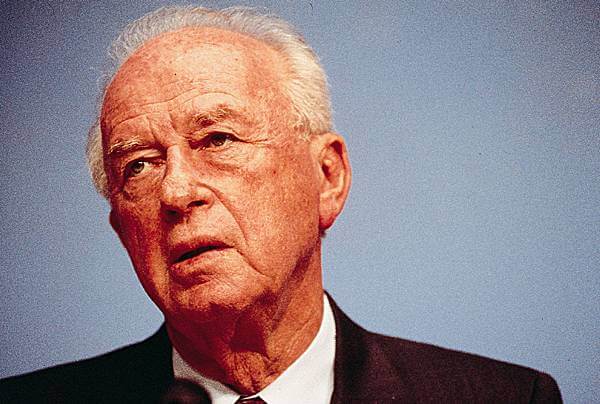
On the 20th anniversary of the assassination of Prime Minister Yitzhak Rabin, Isabel Kershner of the New York Times writes that Israelis on both sides of the political spectrum have reached a “pragmatic” consensus on the way forward. If alive today it’s likely Rabin would fit nicely into the “pragmatic” Israeli consensus as he did during his lifetime. Rabin’s pragmatism was the pragmatism of the powerful. The life of Yitzhak Rabin is part of the downward spiral where Jews come to accept the denigration and oppression of another people as “pragmatic.” For in the end, permanently ghettoizing the Palestinian people is the true legacy of Yitzhak Rabin.

Media whitewash: In the NYT, Isabel Kershner says Israelis who want to annex the West Bank and give Palestinians some “autonomy” in the leftover fragment are “moderate”, while NPR presents Dennis Ross saying Netanyahu is for a Palestinian state.

The United States provided approximately $35 billion in economic aid to over 140 countries in fiscal year 2014. A new map presents the relative size of each country in proportion to the aid received and it’s clear not all aid is distributed equally. Who receives the largest slice of the pie from the U.S.? The answer is clear: Israel.
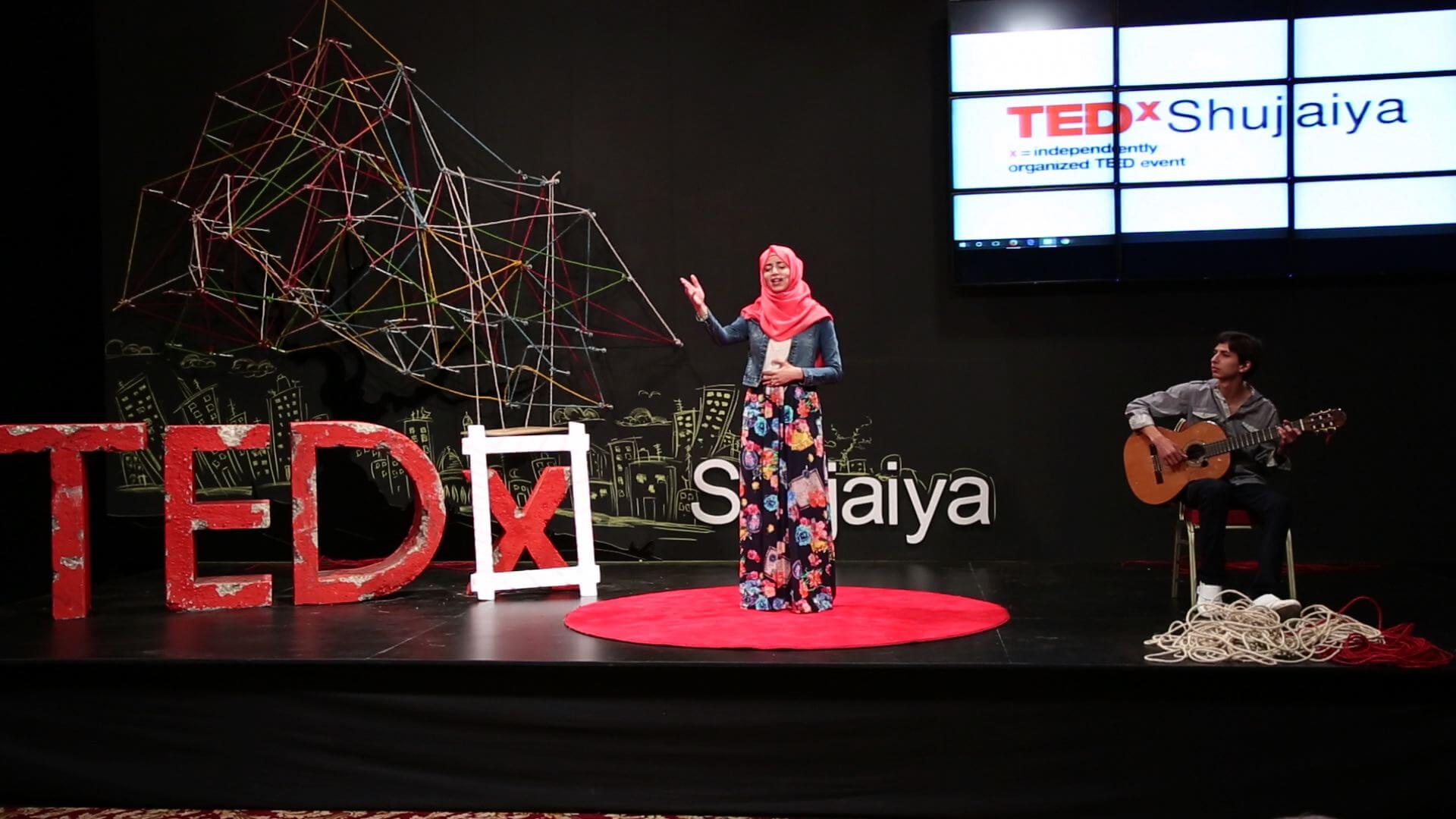
Isra Saleh El-Namy reports from TEDx Shujaiya, a recent event in Gaza organized independently as part of the popular TED conference series. Organizer Heba Madi says, “It is really a golden opportunity, and a great honor to have this prestigious and international program in a Palestinian flavor. We wanted to prove to the whole world that people in Gaza deserve to live in dignity.”
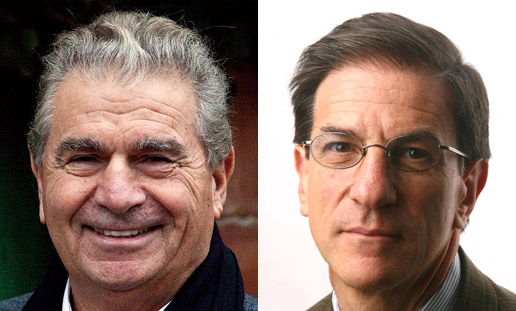
A few years after his son served in the Israeli army, Bloomberg editor Ethan Bronner will host an event at a NY Jewish space on the skill, strength and courage of Israeli soldiers.
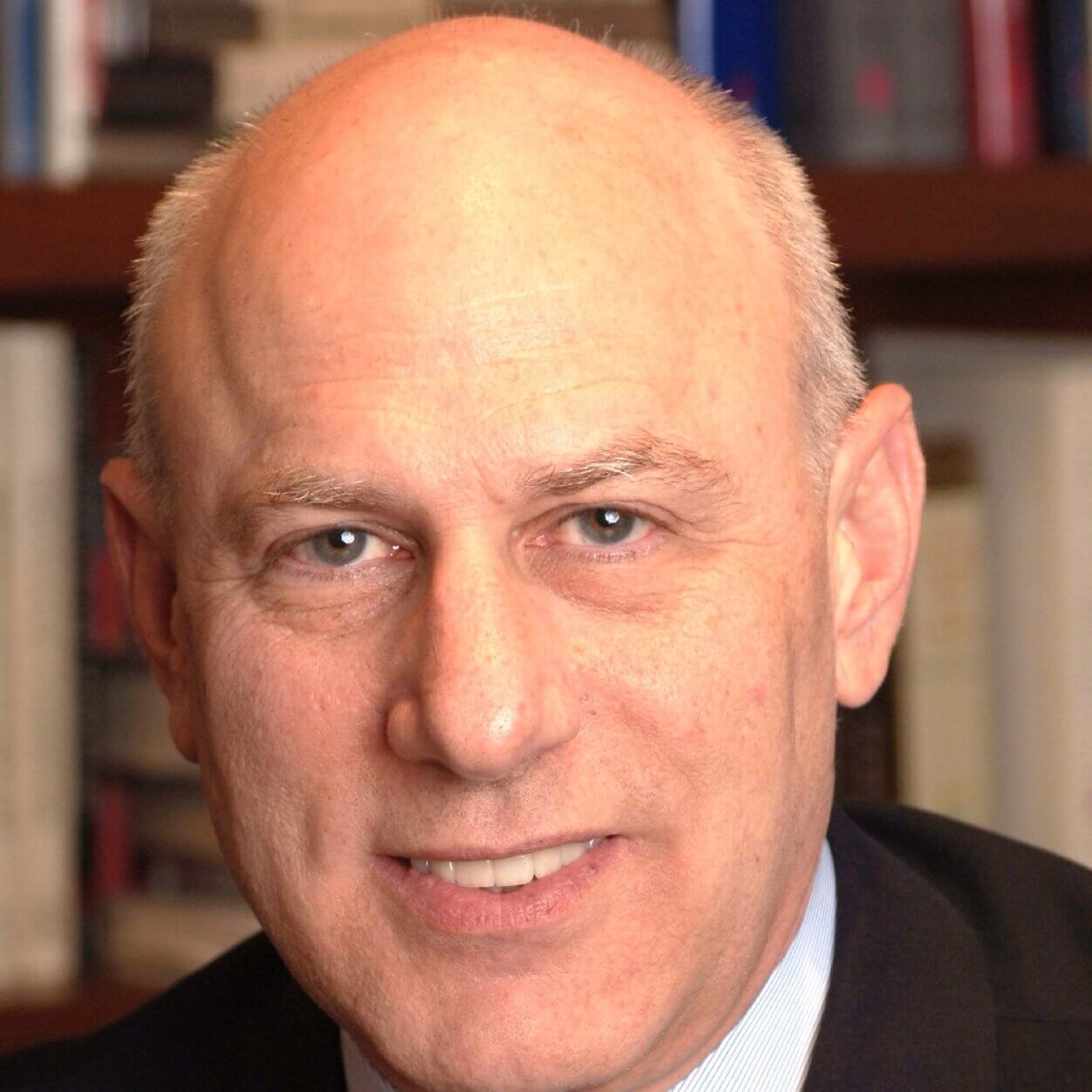
The New York Times has fully underwritten the “Facebook fallacy” — the idea that social media are responsible for the stabbing attacks by Palestinians, rather than nearly 50 years of occupation and denial of people their rights.

Juliana Farha writes: “Over the past month the Israel-Palestine narrative has become a perverse echo chamber in which the means, intention and capacity that define a target’s ‘legitimacy’ are continously reformulated to post-rationalise the same grisly outcome. Oftentimes, the ‘means’ only appear after the guns have stopped: as my children would say, the knives are ‘magicked’ into the scene. Intention and capacity are givens, woven into the very fact of being Palestinian. So it was with Dania Arsheid, Fadi Alloun, Saad Muhammad Youssef al-Atrash, and many others, prompting Amnesty International to demand this week that Israel cease its ‘unlawful killings.’”
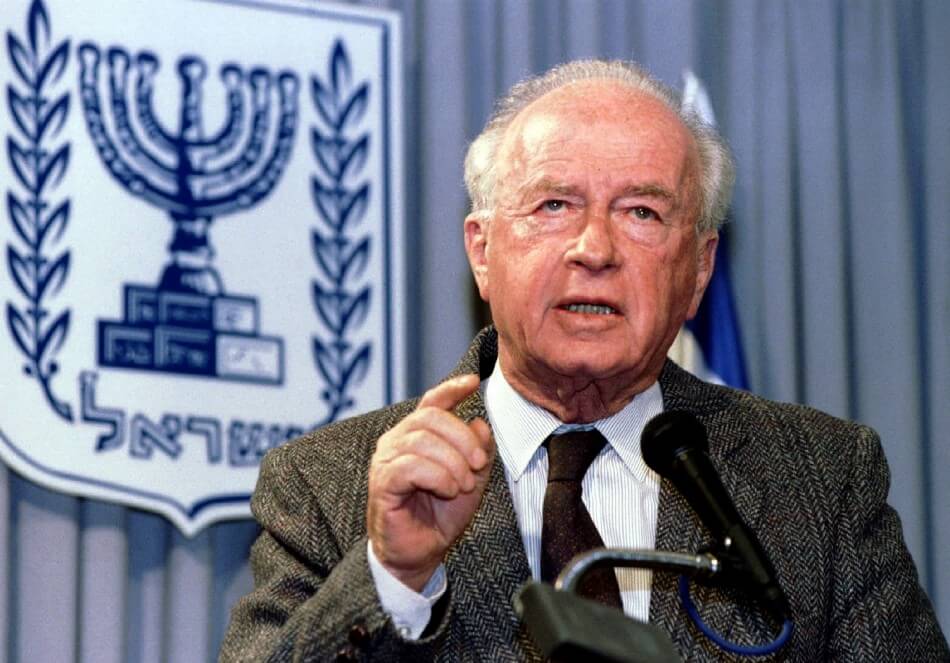
Soccer fans in Jerusalem chanted the name of Yitzhak Rabin’s killer, Yigal Amir, approvingly last week as 20th anniversary of assassination approached; and Israeli President Reuven Rivlin said at a rally that hope in Israel is now “in the crosshairs.” Netanyahu did not appear at the rally.
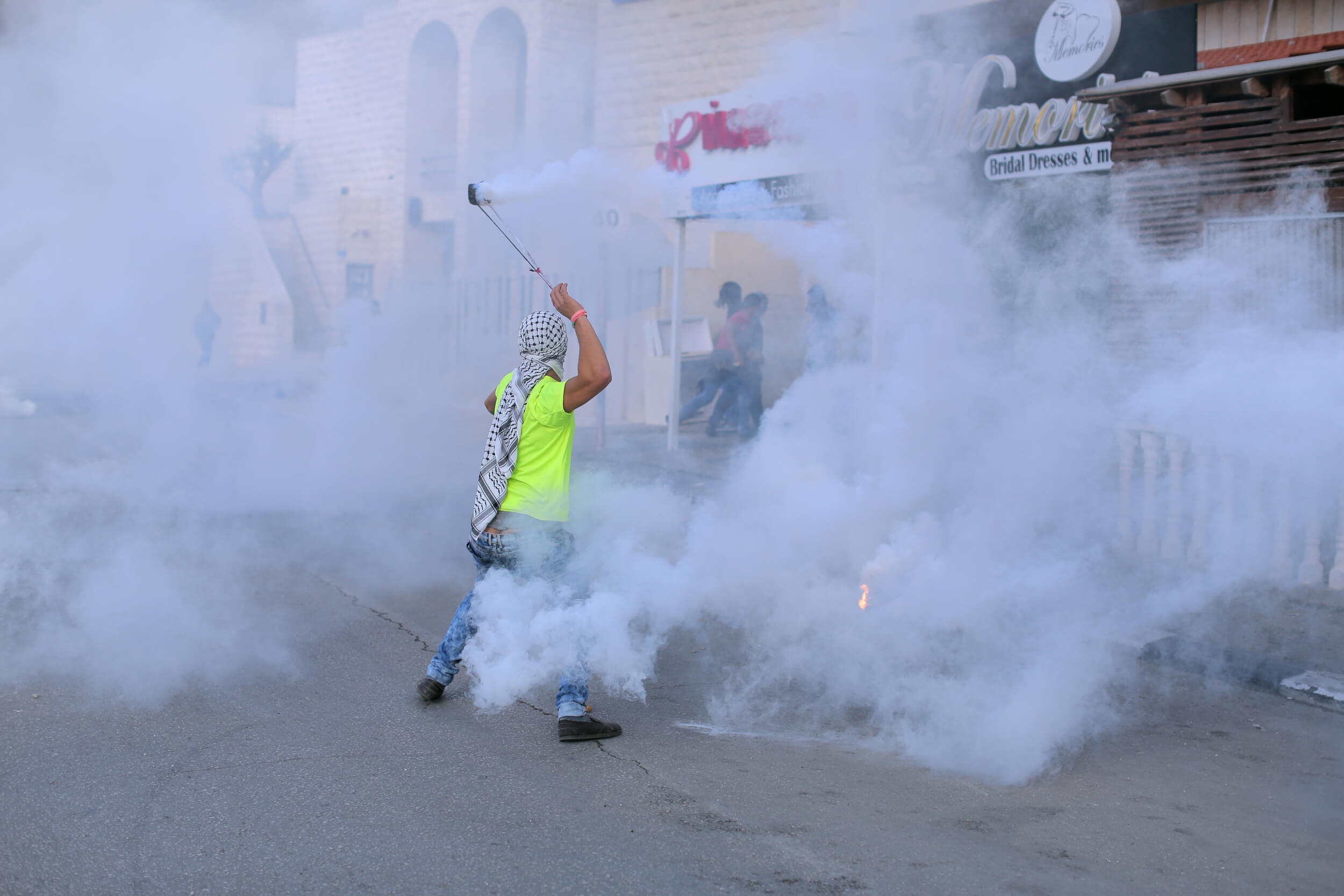
On Thursday evening Israeli forces stormed Aida refugee camp in the southern occupied West Bank city of Bethlehem. Jeeps descended on the camp from all entrances shooting off tear gas rounds indiscriminately as families rushed to close their windows, shoving cloth in any crevice that could allow the noxious gas to seep in, a well practiced drill in homes across the occupied West Bank. Tear gas is forbidden to be used during warfare under the Chemical Weapons Convention, but regardless of its supposed illegality and unknown side effects, one would be hard pressed to find a household in the occupied Palestinian Territory that does not know how to combat symptoms of the gas due to its frequent and heavy use by Israeli forces on Palestinians.