AIPAC still hasn’t apologized for pushing the Iraq war and for trying to undermine the Iran deal, both of which hurt American interests, but it does apologize when Trump slams President Obama, lest the comments will undermine its influence.
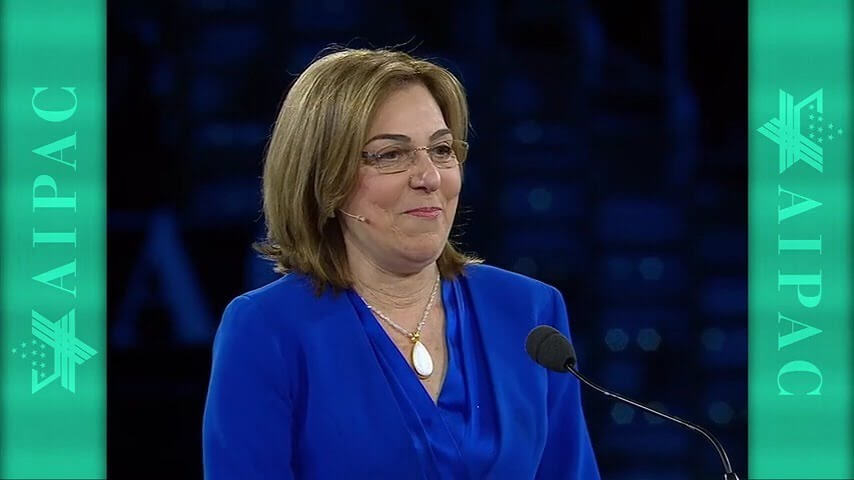

AIPAC still hasn’t apologized for pushing the Iraq war and for trying to undermine the Iran deal, both of which hurt American interests, but it does apologize when Trump slams President Obama, lest the comments will undermine its influence.

Today an Israeli soldier executed a wounded Palestinian man on the ground in the Tel Rumeida area of Hebron’s old city in the occupied West Bank. In a graphic B’Tselem video capturing the killing, the man can be seen semi-conscious on the ground, when a soldier cocks his rifle and fires, killing him on the spot. The Israeli military spokesperson said the filmed execution “contradicts the IDF’s ethical code and what is expected from the IDF’s soldiers and commanders” and that the soldier has been suspended while the military conducts a probe, but in fact the policy of summary executions has been ordered as a directive from top political and military officials.

Last December, an Israeli medic announced on his Twitter account that he would not treat injured Palestinians he deemed “terrorists.” This is not an aberration, rather, it is an instance of increasing turmoil in the Israeli medical community over the concept of triage, the internationally recognized protocol for medical treatment based on severity and likely benefit from immediate treatment. Politicians, religious leaders and doctors are all calling for Israeli Jews to be prioritized when it comes to emergency medical treatment. Deputy Minister of the Interior Yaron Mazuz told Israeli news, “The first priority should be give in to the residents of Israel, mostly to those who were injured from the attacks. Is it unacceptable that we would treat terrorists before residents of the state.”

One might expect that only historians would care to revisit the 1948 war that created Israel. And yet the debate about what constitutes truth and myth from that period still provokes raw emotions. That is why the unearthing of an Israeli soldier’s letter from 1948 detailing what was probably the war’s worst massacre – one long buried by Israel – is of more than historical significance.

In late February, the City University of New York (CUNY) announced it was launching a Task Force on anti-Semitism on campus following lobbying by the Zionist Organization of America, which sent a letter to the CUNY chancellor demanding the school “publicly condemn the SJP and its hateful, divisive and anti-Semitic actions.” The following post was written by Sarah Schulman, who serves as the faculty advisor the Students for Justice in Palestine chapter at the College of Staten Island, about her experience testifying before the CUNY Task Force.

Unlike the other four presidential candidates, Democrat Bernie Sanders declined the invitation to speak at the AIPAC– American Israel Public Affairs Committee conference– in Washington on Monday, and instead delivered a foreign policy address in Utah. The speech has gotten wide circulation because of its affirmations of Palestinian human rights. Katie Miranda imagines what would have happened If Bernie Sanders had delivered his Israel speech at AIPAC instead.
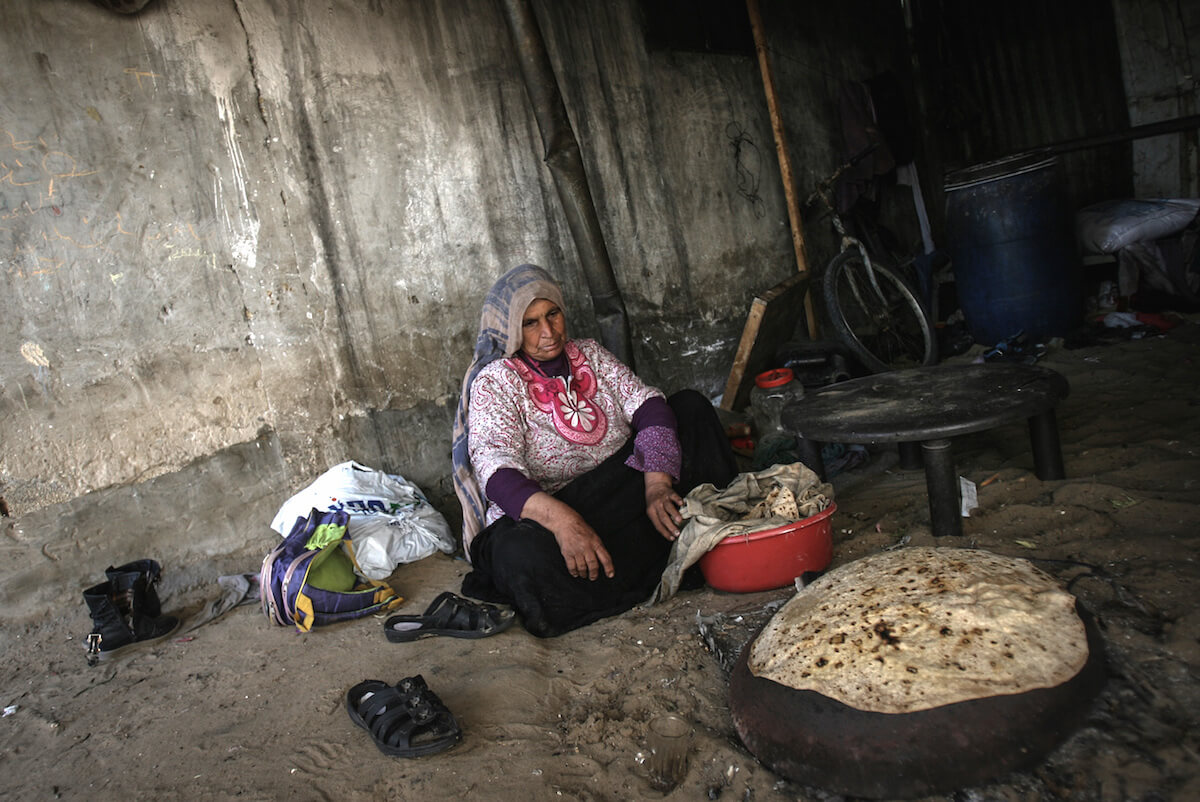
Palestinians in Gaza are regularly consuming contaminated water, even when the liquid they drink has already been treated at a purifying plant. In Gaza 45% of the water processed in desalination plants is contaminated, according to the Palestinian Water Authority (PWA).

Here is the transcript of the speech Israeli Prime Minister Benjamin Netanyahu gave this morning at the AIPAC policy conference in Washington DC, including the videos he presented.
Americans are finally getting to debate the merits of Zionism, the ideology of a Jewish state in historical Palestine. But right now officials, including Bernie Sanders and Hillary Clinton, are raising the issue by equating anti-Zionism with anti-Semitism.
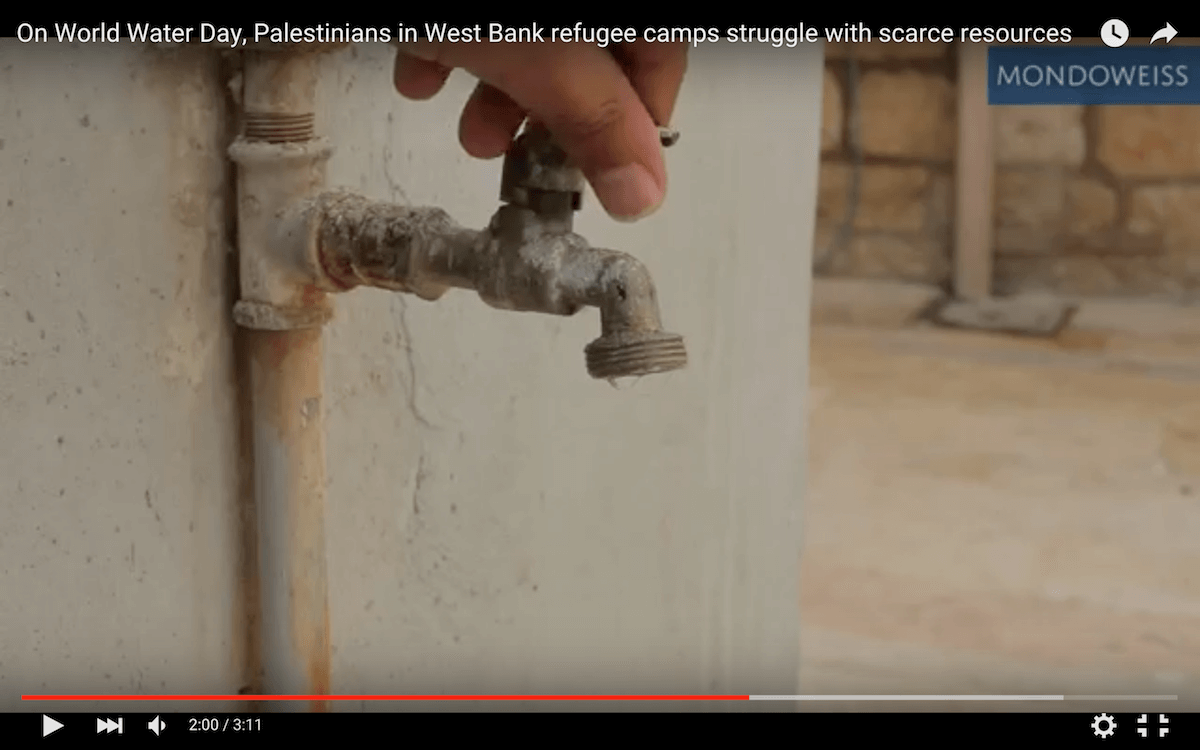
As the world celebrates World Water Day this week, Palestinians in refugee camps across the occupied West Bank are preparing for the summer, when water becomes scarce. While the World Health Organization recommends 100 liters of water per person per day, Palestinians in the occupied West Bank use less than 73 liters, with those in refugee camps using even less. In Israel, residents use an average of 183 liters per person, per day. In Bethlehem’s Beit Jibrin camp, one young man takes Mondoweiss around the in and outs of the water issues the camps face each year.