Archive

July 2016

Browsing

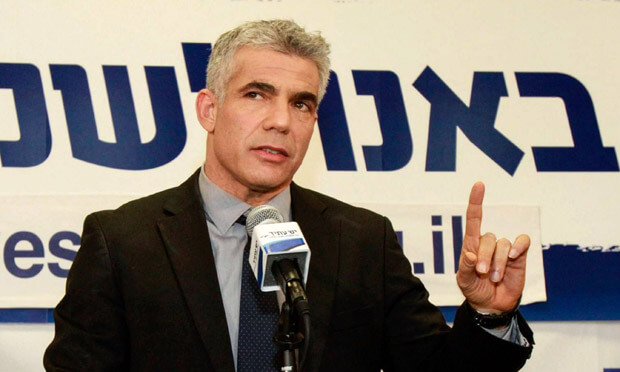
Last week’s Aspen Ideas Festival often seemed like a rightwing Jewish event and it reeked of entitlement. Leon Wieseltier of the Atlantic joked that eventually “there won’t be any goyim” on the Supreme Court. The Jewish and pro-Israel character of the establishment was on display, even if no one wants to talk about it.

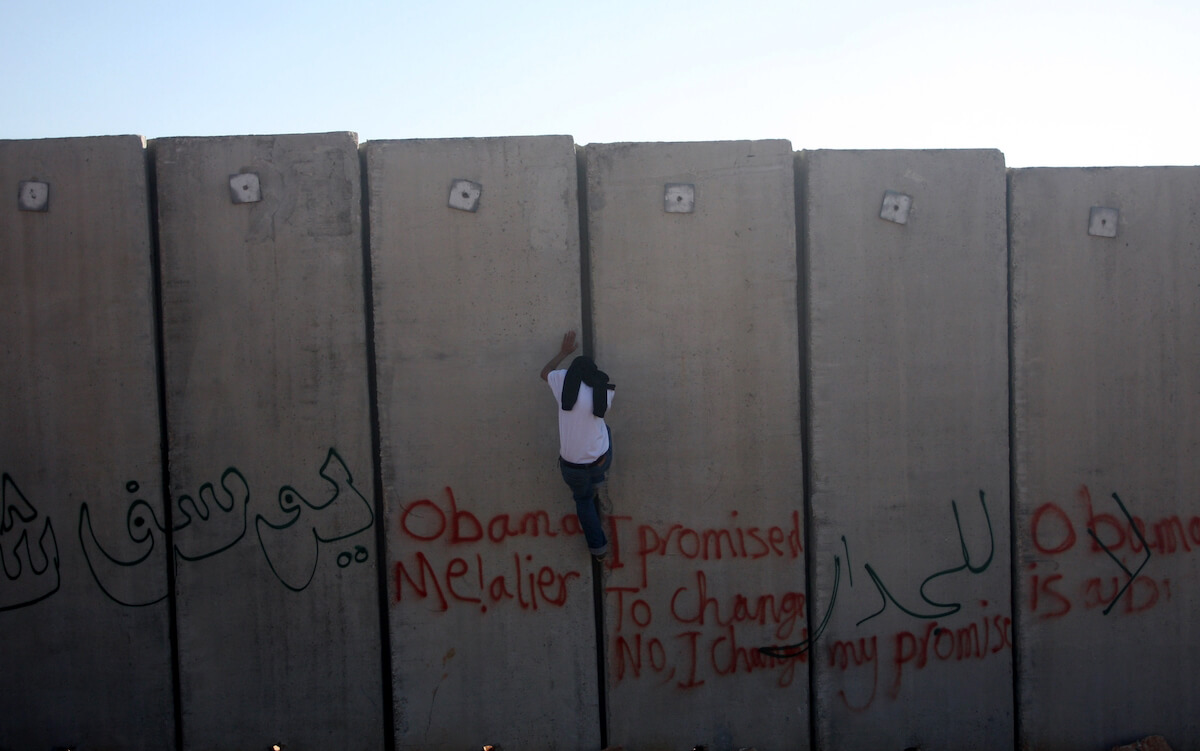
A masked Palestinian protestor climbs Israel's separation wall during a weekly demonstration against Israeli occupation in the West Bank village of Nilin(Photo: Issam Rimawi/ APA Images)

Twelve years have passed since the International Court of Justice declared that Israel’s Annexation Wall is contrary to international law. A particular concern was the location of the Wall which the ICJ noted would lead to “further alterations to the demographic composition of the Occupied Palestinian Territory.” But, Amjad Alqasis says, the Wall is just another tool deployed by Israel to continue the process of colonizing Mandate Palestine: “Simply put, the Israeli endeavor aims at emptying Mandate Palestine from its indigenous inhabitants, including areas that lie today within the borders of Israel proper. The Wall is not only built by concrete stone, it is seeded in the Zionist ideology of separation and conquest.”

It is hard not to compare the careers of late Elie Wiesel and the Italian-Sephardi Primo Levi who both survived the hell of Auschwitz, but who took very different paths to express their witness. David Shasha says the stark contrast between their approaches could not be more pronounced: Levi was very much a man of rationalism, science, and literature who sought to provide a more humanistic understanding of the tragedy he experienced, while Wiesel emphasized Jewish ethnocentrism and remained wedded to the alienated Ashkenazi view of the world.

For a third consecutive year the Philadelphia Coalition for Boycott, Divestment and Sanctions against Israel (Philly BDS) held its annual boycott of Israeli dates during the month of Ramadan, and this year successfully mobilized different businesses across the city to formally pledge not to serve nor buy Israeli date products that are in direct violation of international law.

Over the July 4th weekend two sixteen year old Muslim boys in Brooklyn suffered a severe beating at the hands of an assailant who called one a “terrorist,” according to the victims. The New York Police have said that the incident was not a hate crime. This decision has disturbed some members of the area’s Muslim community, making them feel the police have overlooked their safety.

On the occasion of his death, Kali Rubaii remembers the time she met Elie Wiesel and explains how his work led her to work for Palestinian freedom, even if Wiesel himself would never join her, “We are given the stories we are given. I was given the Holocaust first, the Nakba second. It is the way Palestine came to me, it is how Handala and I were introduced. Elie Wiesel cannot stop that. I cannot change that. It is my duty to recognize and act upon the memories that prepare me for the present, even if the arbiters of those memories are unwilling. ‘To forget is a crime,’ he insisted. So I remember. And so we much act.”