Danielle Alma Ravitski: As a political and human rights activist, I came to realize that the debate on a one-state solution in Israel/Palestine reveals a more profound issue of boundaries – not geographical ones, but psychological ones. This is especially true for Israeli liberal leftists, who talk about “one-state” with two contradictory voices.
Tom Suarez writes that the real taboo Ilhan Omar broke was not accusing AIPAC of buying politicians, it was correctly distinguishing between Jews and the Israeli state.
Mondoweiss speaks with Palestinian lawyer and political analyst Diana Buttu about the demise of the Joint List, and the challenges facing Palestinian politicians and voters in an increasingly right-wing political atmosphere in Israel. “The Jewish Power Party and the Kahanists have a much more negative influence outside of the country than inside,” Buttu says. “Not that people here don’t view them negatively, but for Palestinians, there really is no substantive difference between Jewish Power Party and Gantz.”
Hannah Arendt wrote in 1944 that by proceeding with contempt for their Arab neighbors, the founders of the Jewish state were setting up a situation in which Israel would be utterly dependent on Jews in the United States to maintain the superpower’s support for the state, thereby exposing American Jews to the charge of “double loyalty.” When Ilhan Omar questions the allegiance of some Israel advocates, she brings up a legitimate criticism of Zionism.
The US Government today folded the former US consulate in Jerusalem, which served Palestinians, into the Embassy led by ambassador and settler-advocate David Friedman in what Hanan Ashrawi of the PLO called “an act of political assault on Palestinian rights and identity.”
Amid attacks from Democratic colleagues in the House, Rep. Ilhan Omar says that she finds it “problematic” that “I am anti-American if I am not pro-Israel.” And she knows many Americans agree with her. “I just happen to be willing to speak up.” The progressive base of the party is behind her, in a sign that the party is dividing on Israel.
The charges of anti-Semitism in the UK Labour Party reflect a program by Israel supporters to smear those who bear witness to apartheid in Palestine who are slowly changing the country’s global reputation. Today a growing number of Jews support Palestinian rights, while Israel is forging a strange alliance with Islamophobes and nationalists.
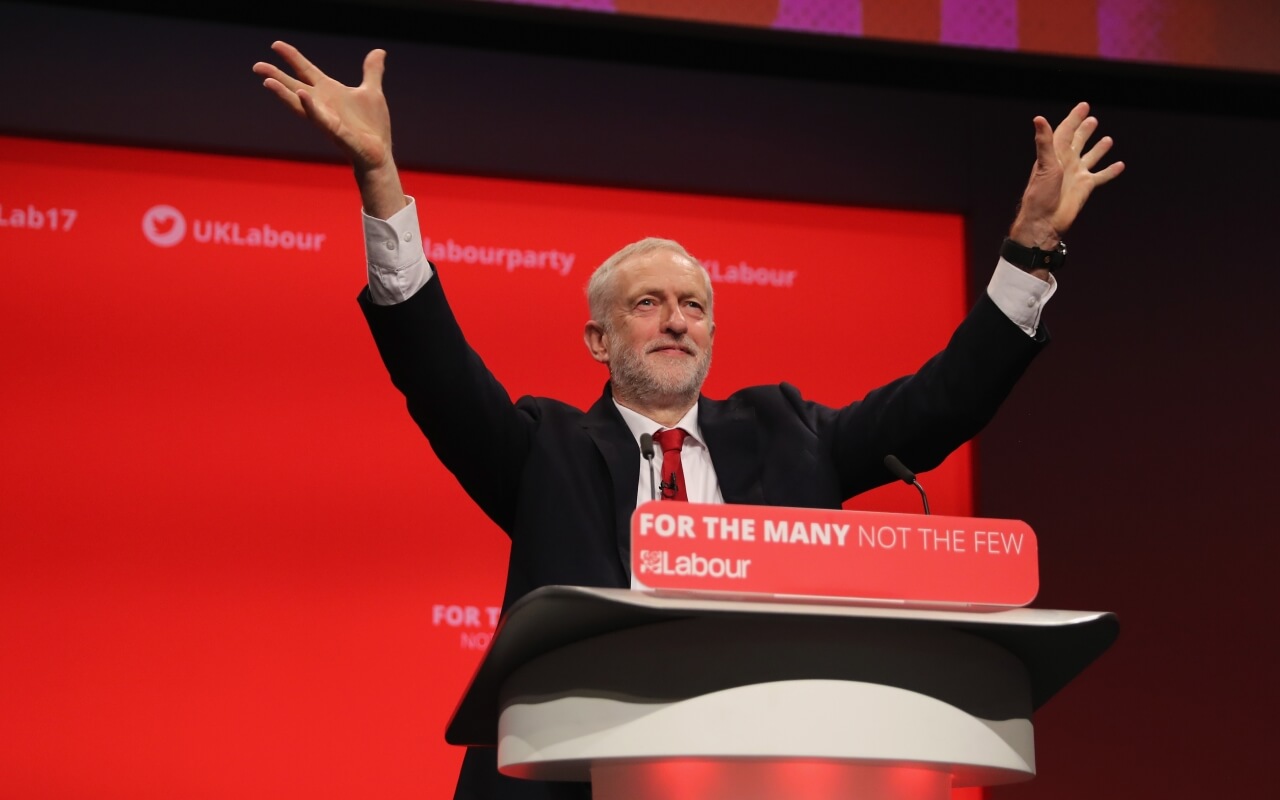
UK Labour Party leader Jeremy Corbyn called for Britain to cease arms sales to Israel following a UN report that the Israeli army’s actions against Palestinian protesters in Gaza’s Great March of Return could amount to war crimes. “The UK government must unequivocally condemn the killings and freeze arms sales to Israel,” Corbyn tweeted Friday.
Anti-semitism used to mean job discrimination in universities and leading industries and stigmatization of Jews as “kikes.” Today Jews are socially included, and the definition has shifted to mean any strong criticism of Israel. That’s because Israel supporters must do anything they can to prevent support for BDS from entering the political mainstream.
Saudi’s Prince Turki bin Faisal says Netanyahu is deceiving Israelis about warming relations with Arab monarchies. “Israeli public opinion should not be deceived into believing that the Palestinian issue is a dead issue. From the Israeli point of view, Mr Netanyahu would like us to have a relationship and then we can fix the Palestinian issue. From the Saudi point of view it’s the other way around.”