One of the disgusting features of the U.S. effort to provoke conflict with Iran is the widespread use of the euphemism “take him out” instead of “kill” or “assassinate” to characterize the death of General Qasem Soleimani.


One of the disgusting features of the U.S. effort to provoke conflict with Iran is the widespread use of the euphemism “take him out” instead of “kill” or “assassinate” to characterize the death of General Qasem Soleimani.

Exceptions to the mainstream voices who see the U.S. as playing a beneficent role in the Middle East, Geraldine Brooks and Bernie Sanders cite American war crimes and call for diplomacy, not assassinations.
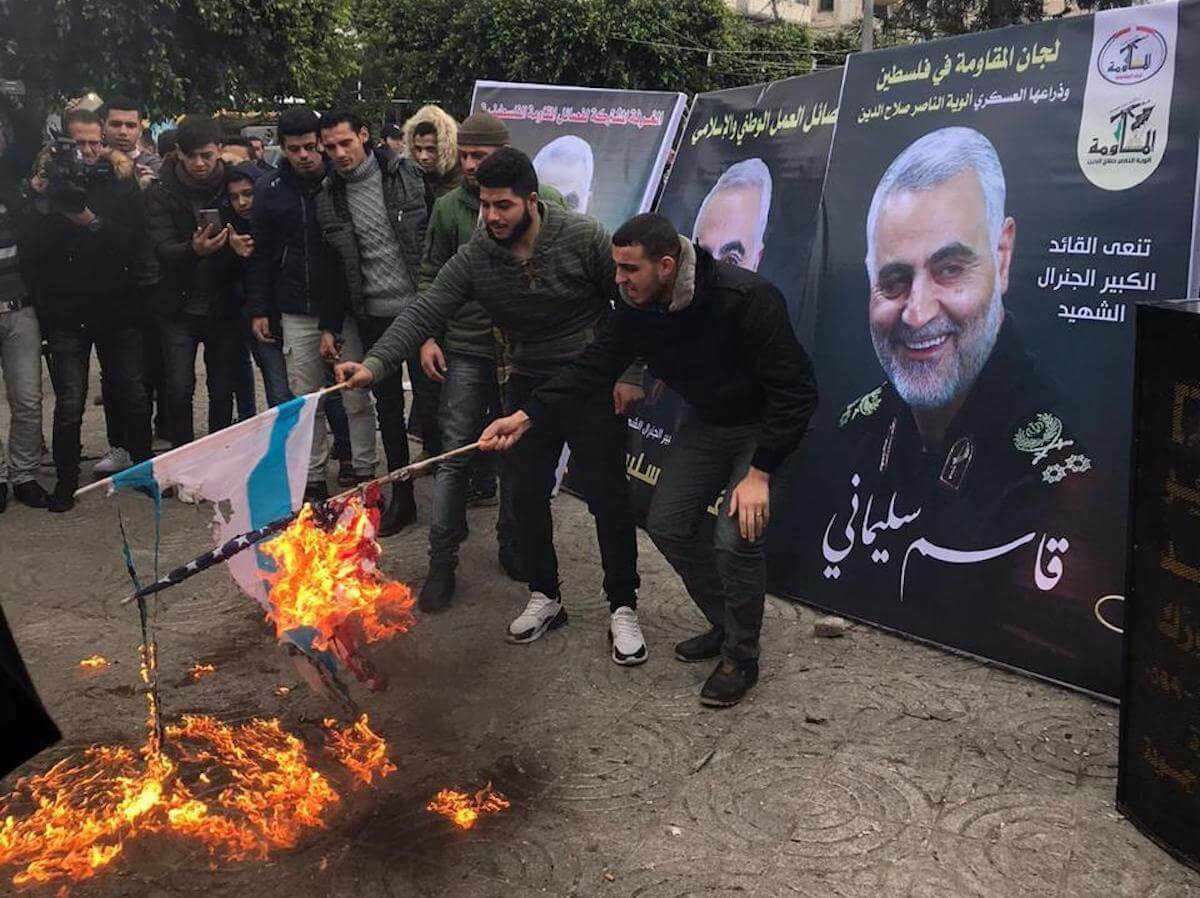
Yumna Patel reports that while the situation in the occupied territory has remained relatively quiet in response to the US assassination of Iranian General Qasem Soleimani, the tension being felt across the globe can most certainly be felt there.

The New York Times continues to ignore Israel’s role in the Iran crisis, and gives David Petraeus a platform to call Iranian generals “personification of evil.”
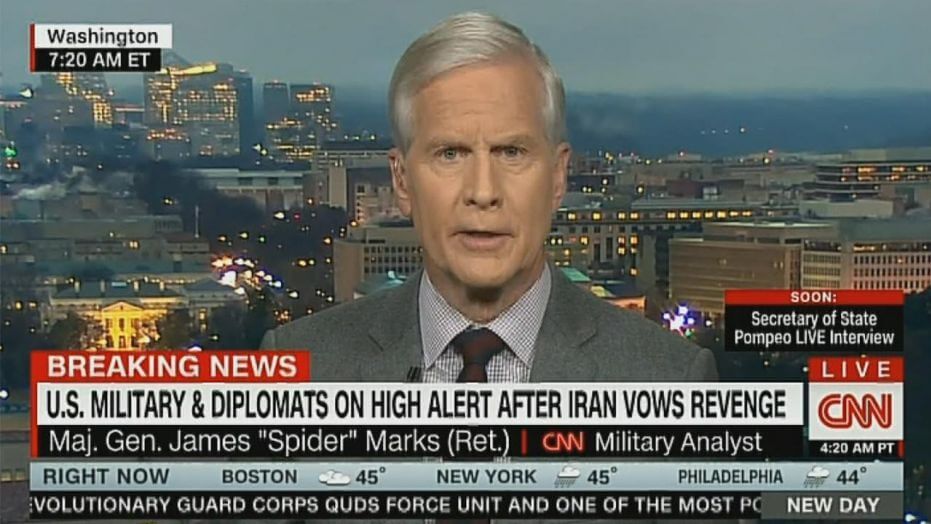
Rob Lipton looks at how the assassination of Iranian general Qasem Soleimani is playing out in the mainstream media, and the lack of coverage of Israel and other actors who pushed for this blatant act of war.

Seeds of Peace and the Tami Steinmetz Center at Tel Aviv University were both created in the early 90s to further the Oslo vision. Now the Steinmetz center has closed and Seeds of Peace is in crisis, with a former camp director calling for resistance against “oppression.”

At daybreak Kefah Adra set out to fill a plastic container of water from a nearby spring, a morning errand she has not done in 15 years. Like many Palestinian towns in this southern region of the West Bank, a-Tuwani is hemmed in by Israeli settlements, which a decade and a half ago cut off access to her water source.

In 2016, the Arizona Legislature passed HB 2617. The legislation (which was signed into law by Governor Doug Ducey) prohibited the state from investing or contracting with groups that boycott Israel. The law also established a blacklist of businesses that support the BDS movement. The legislation prompted a challenge from Mikkel Jordahl, the owner of a law firm that contracts with Coconino County Jail District to provide legal services for prisoners. He’s a supporter of BDS and the law required him to certify that his firm would not engage in the boycott.

The Trump administration’s executive order on antisemitism signals a repressive state action—in effect, setting policy by executive fiat—and an increasingly hostile limit on speech. It will give permission to those university administrations who wish to suppress Palestine solidarity activity rather than make a strong defense of academic freedom.

On a visit to Tel Aviv, scholar Yakov Rabkin finds that the extreme nationalist appeals of Meir Kahane, once ostracized in Israeli politics, are now mainstream. Kahane grasped the brutal logic of settler colonialism and had the courage to make it explicit. Time proved him right.