Khader Adnan was not part of an armed resistance group, nor did he occupy central positions of power. But he provided a model for victory in an age of defeat. He was a symbol in a time without symbols.
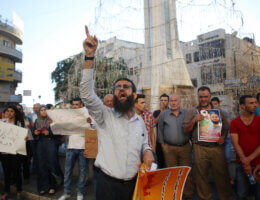

Khader Adnan was not part of an armed resistance group, nor did he occupy central positions of power. But he provided a model for victory in an age of defeat. He was a symbol in a time without symbols.

Two congressional delegations carrying important political implications visited Israel recently. Both were a reminder of how badly out of step Congress is with the American public on Palestine.
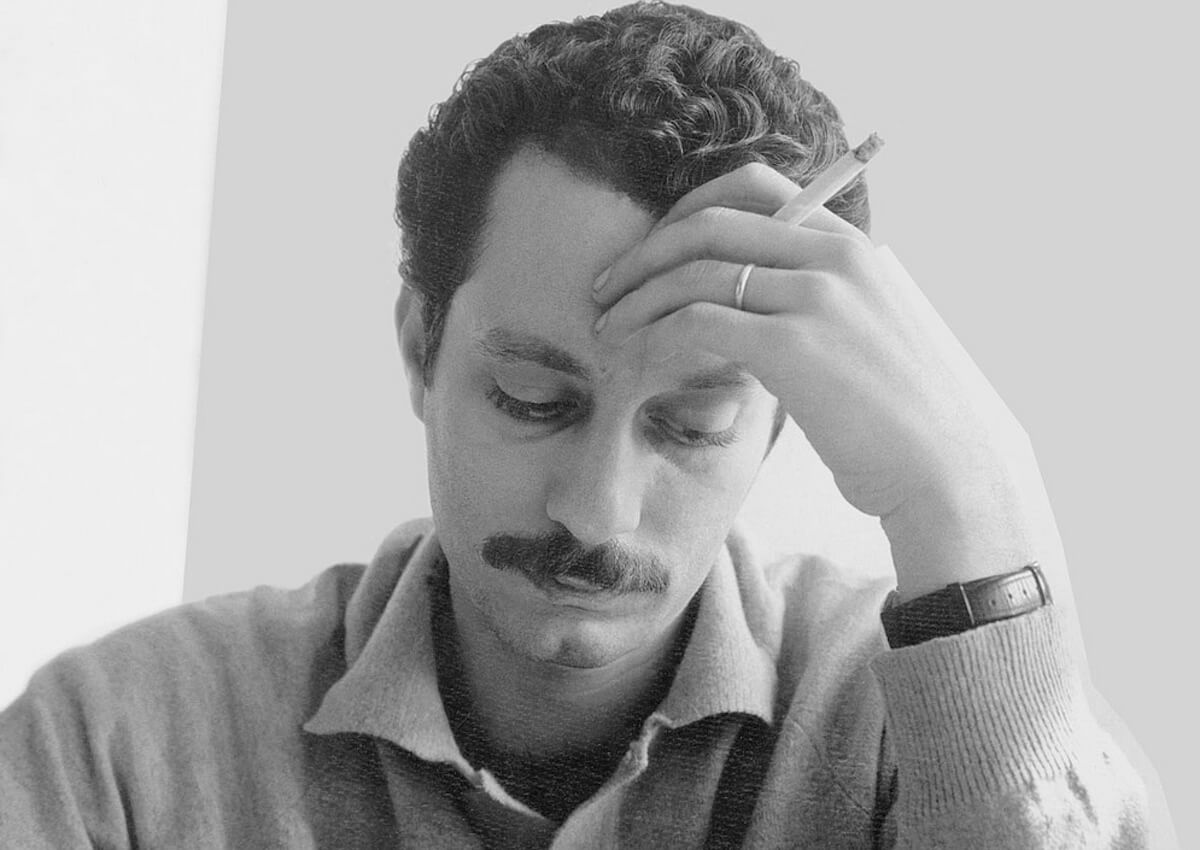
Complicated themes of exile, marginalization, death, and history recur throughout (post)colonial fiction. It is no surprise that Palestinian students in Gaza connect with them on a personal level.

When Irish political prisoner Bobby Sands died in 1981 after a hunger strike, his death galvanized American sympathy for the Republican movement. Sadly, Khader Adnan’s death this week has not moved the American establishment the same way.

Rights groups, experts, and Khader Adnan’s legal team say that Israel caused his death through deliberate medical negligence and cruel and inhumane treatment. In other words, Israel wanted him dead.

Three-fourths of Palestinians in occupied territories believe it is impossible to create a Palestinian state. As a result, 54 percent “support a return to armed confrontation and intifada.”
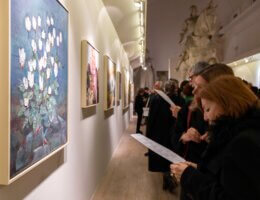
The Palestine Museum US in Woodbridge, CT is challenging the Zionist-Israeli narrative in the United States by telling the Palestinian story through the arts.

Rep. Betty McCollum and 16 cosponsors have reintroduced a bill prohibiting Israel from using US aid to detain Palestinian children, destroy Palestinian homes, or unilaterally annex Palestinian land.

Sam Smith’s decision to cancel an upcoming concert in Israel is being celebrated by activists, “Pressure from activists, organizers, and supporters of the BDS movement played a crucial role in this outcome.”

The world lost Khader Adnan after 86 days of hunger strike, and Palestine lost an icon. Yet, in the words of researcher Ashira Darwish, “Freedom means that he left the body that they destroyed.”