For weeks, I have been reporting on the daily massacres at ‘aid distribution’ sites in Gaza. When I speak to people, including friends, who risk their lives every day to get some food, I can’t help but think of what I would do in that situation.
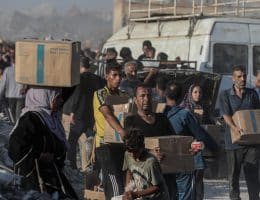

For weeks, I have been reporting on the daily massacres at ‘aid distribution’ sites in Gaza. When I speak to people, including friends, who risk their lives every day to get some food, I can’t help but think of what I would do in that situation.
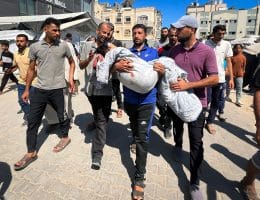
On Sunday, Israel bombed a water distribution point in the central Gaza Strip, as dozens of civilians, mostly women and children, waited in line for water. Twelve people were killed, eight of them children. It was not the first time.

The villagers of Taybeh have lived in harmony with the nearby Bedouins for generations. Israeli colonization and the shrinking land available to these communities are now straining social relations, as Israeli settler violence threatens both.

A growing movement is calling on Illinois to divest $100 million in Israel Bonds, and has filed an ethics complaint against Treasurer Michael Frerichs, alleging abuse of authority, corruption, improper use of state time, and misuse of public assets.

The Trump administration is attacking academia because it threatens existing power structures and dominant elites. This is seen most clearly when it comes to Palestine.

Haidar Eid’s “Banging on the Walls of the Tank” reveals a disturbing but irrefutable reality: the world has abandoned the Palestinian people to be annihilated as a people in the most calculated and brutal fashion possible.

Israeli forces carried out another massacre at an aid center in southern Gaza run by the Gaza Humanitarian Foundation. Witnesses described Israeli tanks shooting toward the crowds with machine guns and soldiers sniping aid-seekers in the head.
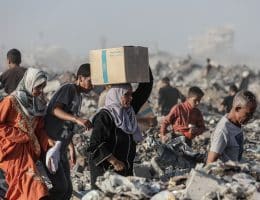
The Gaza Humanitarian Foundation and Boston Consulting Group helped design a plan to displace Palestinians under the guise of aid. But resistance to this violence is rising, from BDS to American classrooms.

While the world’s attention is now focused on the genocide in Gaza, Farah Nabulsi’s film “The Teacher” offers a powerful story of resistance and resilience in the occupied West Bank.

Nasser Hospital, the last medical center still operating in southern Gaza, is threatened with shutting down as the Israeli army tightens its siege on the area. The hospital warns that fuel shortages will turn the facility into a “silent graveyard.”