New York Times readers overwhelmingly fault Israeli apartheid and US support for it in the top readers’ comments on an article about segregated bus lines to the West Bank. Is this the end of hasbara? Certainly public consciousness has changed


New York Times readers overwhelmingly fault Israeli apartheid and US support for it in the top readers’ comments on an article about segregated bus lines to the West Bank. Is this the end of hasbara? Certainly public consciousness has changed
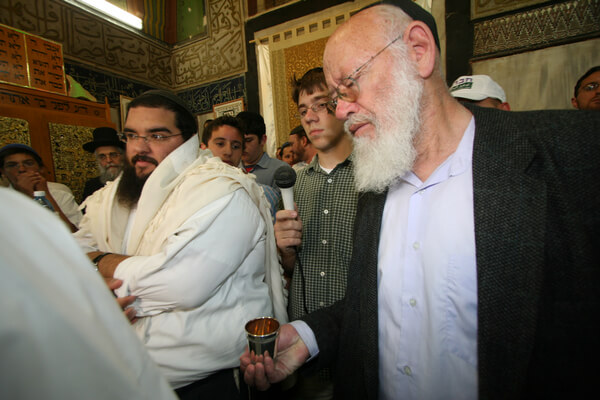
You have to go four paragraphs into NYT obituary for “contentious” settler rabbi Moshe Levinger to learn that he killed a Palestinian shopkeeper and served 3 months for the crime. Why is the Times whitewashing an Israel extremist?

Jodi Rudoren’s latest piece in the NYT makes Ayelet Shaked, the new Israeli Justice Minister who has endorsed genocidal statements against Palestinians, seem feisty and her own woman. Imagine if Rudoren had been sent to Mississippi in 1965 to profile a segregationist.
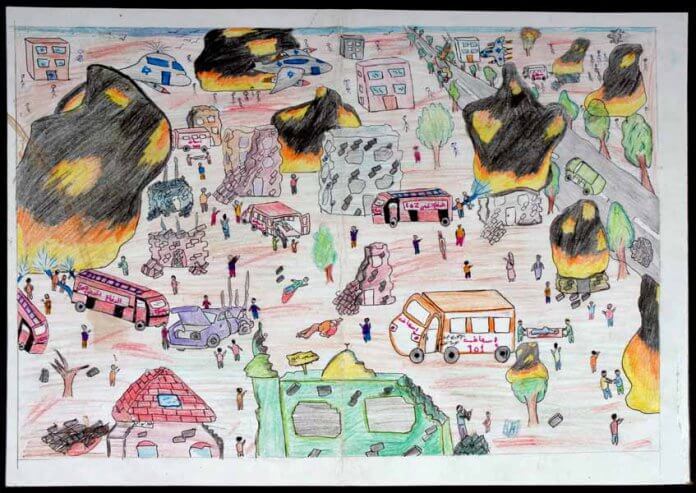
Jodi Rudoren’s latest sanctification of an Israeli artist who fears Iranian nukes shows that the Times has utterly abdicated the role of offering a balanced view of the conflict. It is dedicated to promoting the Israeli view, building support for Israel.

Jodi Rudoren plays down rightwing elements in Israeli society. Last week she said only a “small strain” wants the West Bank in Jewish hands, today she buries and then whitewashes the rightwing views of Ayelet Shaked, Netanyahu’s choice for justice minister. Shaked has made genocidal statements that Israel is “at war” with the “entire Palestinian people,” including elderly.

To understand Pamela Geller’s racism, we need to understand how her actions affect Muslims. But the NYT profile of the provocateur quotes not a single person to explain how they respond to her baiting.

Rudoren’s latest: NYT piece on public transportation shutting down for the Sabbath in Israel quotes Jews on both sides of the issue but leaves out the view of 1/5 of the population whose lives are governed by someone else’s religious observance. Jim Crow in US journalism

Newspapers are supposed to cover both sides of a dispute, but a NYTimes article on settlements could not find a single Palestinian to interview.

Cowardice and incompetence at the U.S. State Department are jeopardizing the freedom — and possibly the life — of a dynamic, progressive Muslim leader in the global south. Mohamed Nasheed, who was once the elected president of the Maldives, the Indian Ocean island nation, has been violently dragged into a courtroom to face a show trial that might end with him going back to prison,

Why is the New York Times running a front page story slurring John Kerry as a Don Quixote bent on getting an agreement with Iran? And why is Michael Gordon– who gave us the Iraq war on a silver platter of lies — allowed to write such a hatchet job?