As a graduate student at Hebrew University Liz Rose was haunted by what she calls “Zionist Holocaust trauma dreams.” But as her politics moved from Zionism to anti-Zionism, her dreams changed as well.


As a graduate student at Hebrew University Liz Rose was haunted by what she calls “Zionist Holocaust trauma dreams.” But as her politics moved from Zionism to anti-Zionism, her dreams changed as well.

In a review of Israeli S. Yizhar’s novel Khirbet Khizeh in the NYT, Dexter Filkins uses words like herded, roundup, evacuate, left, fled, deport, leave, to describe the expulsion of the Palestinians in 1948. These words wash over the devastating reality of the Nakba.

Times columnist Nick Kristof describes Gaza as an “open-air prison” under “siege” by Israel, but he also rationalizes Israel’s collective punishment and treats Palestinians as a backward other.

In its winter 2014-15 issue, the education journal Rethinking Schools has taken another courageous stand against liberal Zionism. In Fall 2014, the journal published an editorial (“The Children of Gaza”) expressing outrage about the recent Gaza war. This editorial generated a letter from a liberal Zionist reader criticizing the journal’s stance, and Rethinking Schools has published this letter in its most recent issue. Not to be cowed, the editors responded to this letter, re-emphasizing the “dire situation” in Gaza as well as the “3 billion a year in military assistance” from the US.

Kai Bird’s New York Times Op-Ed “Israel, a Jewish Republic” is another piece for readers who choose to believe the mythology of Israel over the reality of Israel. It is representative of the bait-and-switch that is occurring in liberal Zionist thought. The reader is initially enticed with the progressive rhetoric, but once you’re deeper inside the writing, the author stops short and unveils potentially colonialist rhetoric.
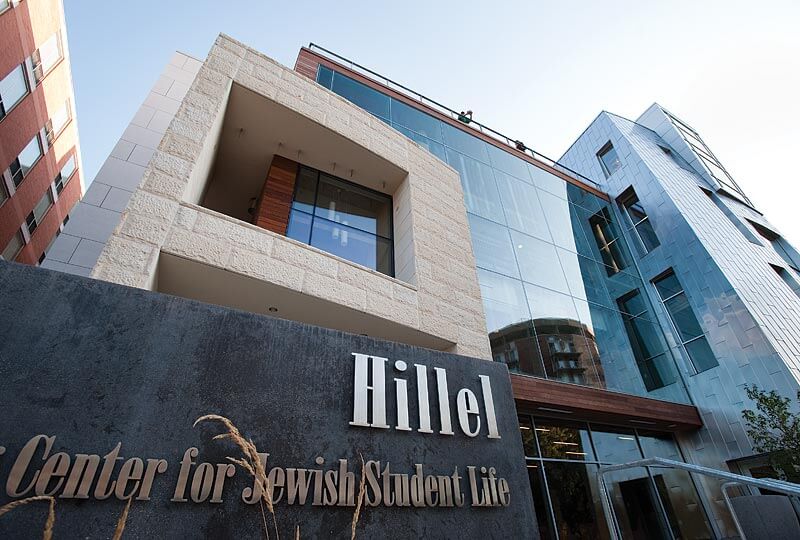
Attending a Sabeel conference at the University of Wisconsin in Madison, Liz Rose recounts her own path from being a Zionist student at the school to being an anti-Zionist supporter of Palestinian rights.

Ilan Pappe’s October 25 lecture in Chicago, “The Ongoing Nakba,” promoting his new book, The Idea of Israel: A History of Power and Knowledge, emphasized two things that stood out to me in particular: Israel’s importing of European pine trees and the ethnic cleansing of Palestinians. Though these issues are not new to the discourse on Palestine, Pappe reminds his audience that the land is as alive as the indigenous people who inhabited it. The mind, body, and spirit of both land and people are still victims to Israel’s current goal of de-Arabizing Palestine, “which has gotten worse for the Palestinians every year since 1882.”

Growing up an ardent Zionist, Liz Rose says Judaism “became synonymous with Jewish nationalism.” Now she’s struggled to separate the religion and the ideology. At Yom Kippur she had a breakthrough, remembering Palestine
The Modern Language Association is holding its annual convention in Chicago this week and considering…