Trump cut U.S. funding for the United Nations Relief and Works Agency for Palestine Refugees in the Near East (UNRWA) in 2018. That move’s impact could become even more devastating for Palestinian refugees amid the COVID-19 crisis.
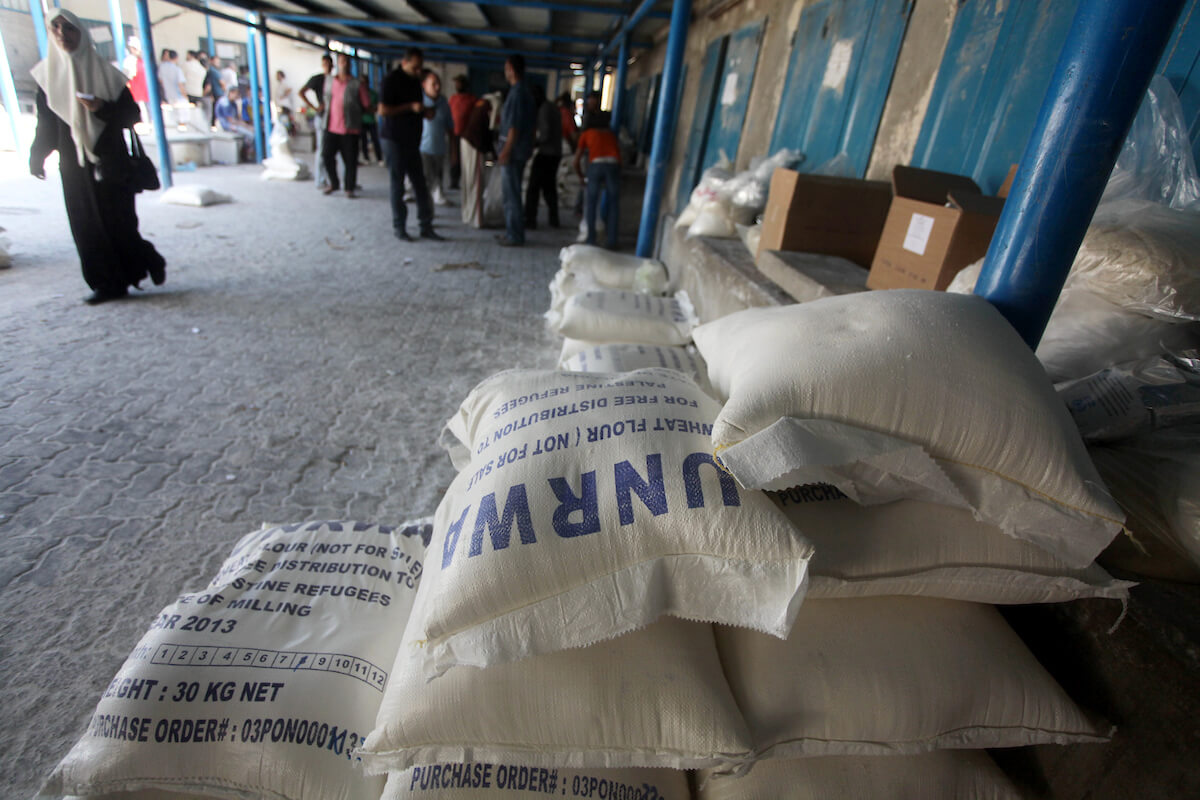

Trump cut U.S. funding for the United Nations Relief and Works Agency for Palestine Refugees in the Near East (UNRWA) in 2018. That move’s impact could become even more devastating for Palestinian refugees amid the COVID-19 crisis.
Last week, over 25 groups called on the Trump administration to end its sanctions on Iran amid the COVID-19 crisis. The virus has been particularly calamitous for Iran: at the time this piece was written the country had 21,638 confirmed cases and 1,685 people had been killed by it. U.S. sanctions have no doubt worsened the situation, as they’ve weakened Iran’s economy and thus made it more difficult to secure goods.
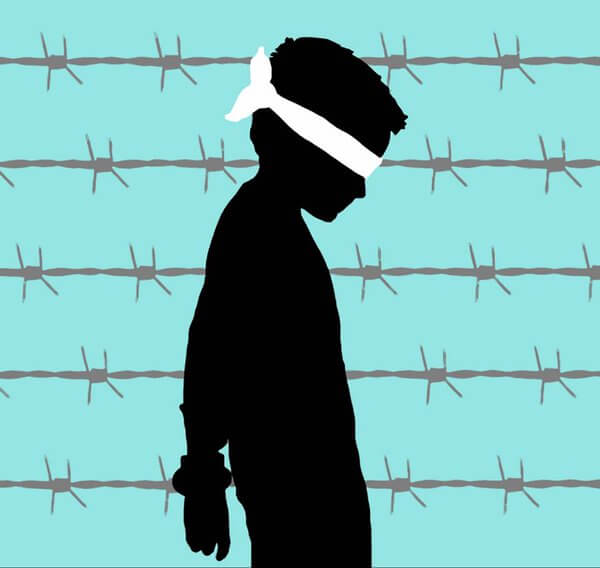
Defense for Children International – Palestine is calling on the Israeli government to release all Palestinian child detainees amid the COVID-19 crisis.

Rep. Dan Lipinski (D-IL) was arguably the most conservative Democrat in the House and certainly one of AIPAC’s favorite lawmakers. Progressives threw him out.
Iran has confirmed 16,169 COVID-19 cases in its country and 988 deaths. The virus’s crushing impact on Iran has no doubt been compounded by the United State’s sanctions, which have been devastating for the country’s economy. Many have called on sanctions to be suspended, but Secretary of State Mike Pompeo has announced that he’s instituting even more restrictions and that the Trump administration will continue to enforce all preexisting sanctions.
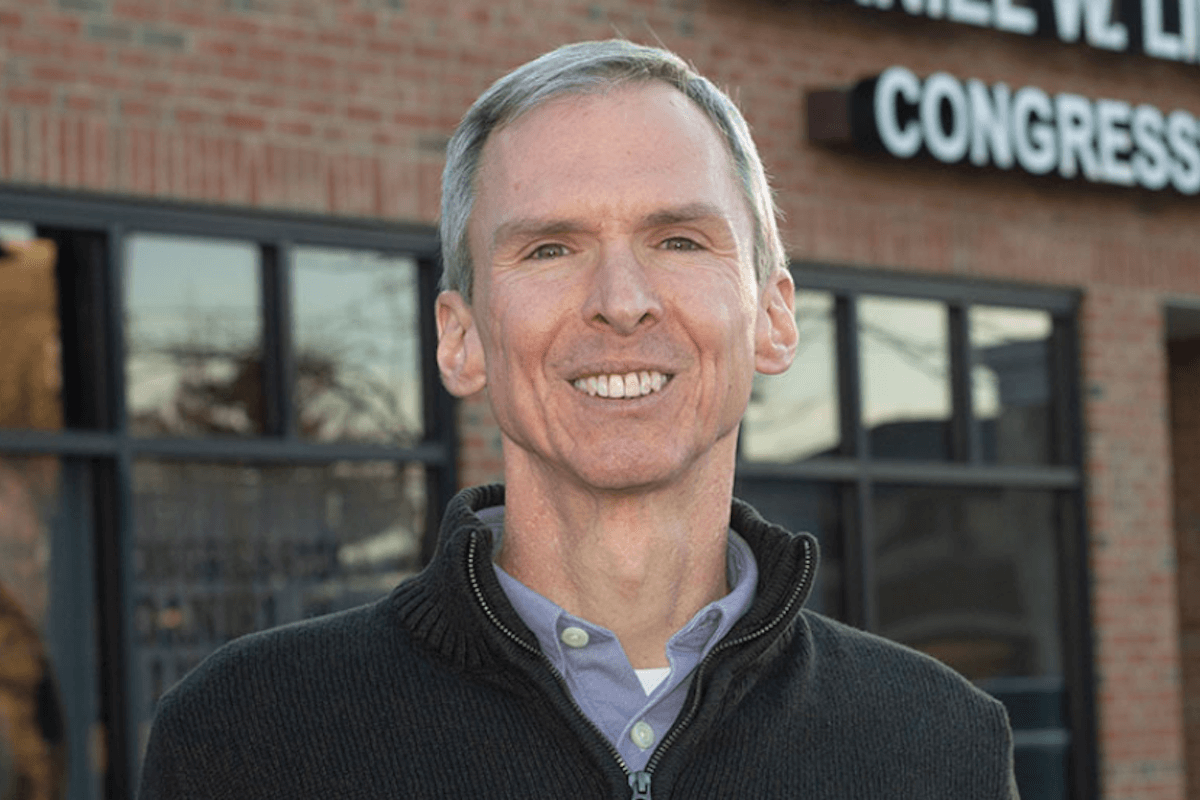
Israel emerged as a hot topic in Illinois’s 3rd congressional district fight. In the race Rep. Dan Lipinski (D-IL) lost a tight race to progressive challenger Marie Newman, who has indicated that she is open to the idea of conditioning aid to Israel. “The U.S. has a responsibility to examine how aid to Israel is used and that we should ensure that this aid is not used to support actions and policies that undercut our values,” Newman has said.

Amidst coronavirus crisis, Ilhan Omar is calling for the U.S. to suspend its sanctions on Iran.

Covid-19 is becoming a very dire problem in Iran. The situation in Iran is compounded by the fact that the Trump administration imposed a new round of sanctions on Iran pushed by the Israel lobby. Read The Shift, a weekly politics newsletter from Michael Arria taking you to the front lines in the battle over Palestine in the United States.
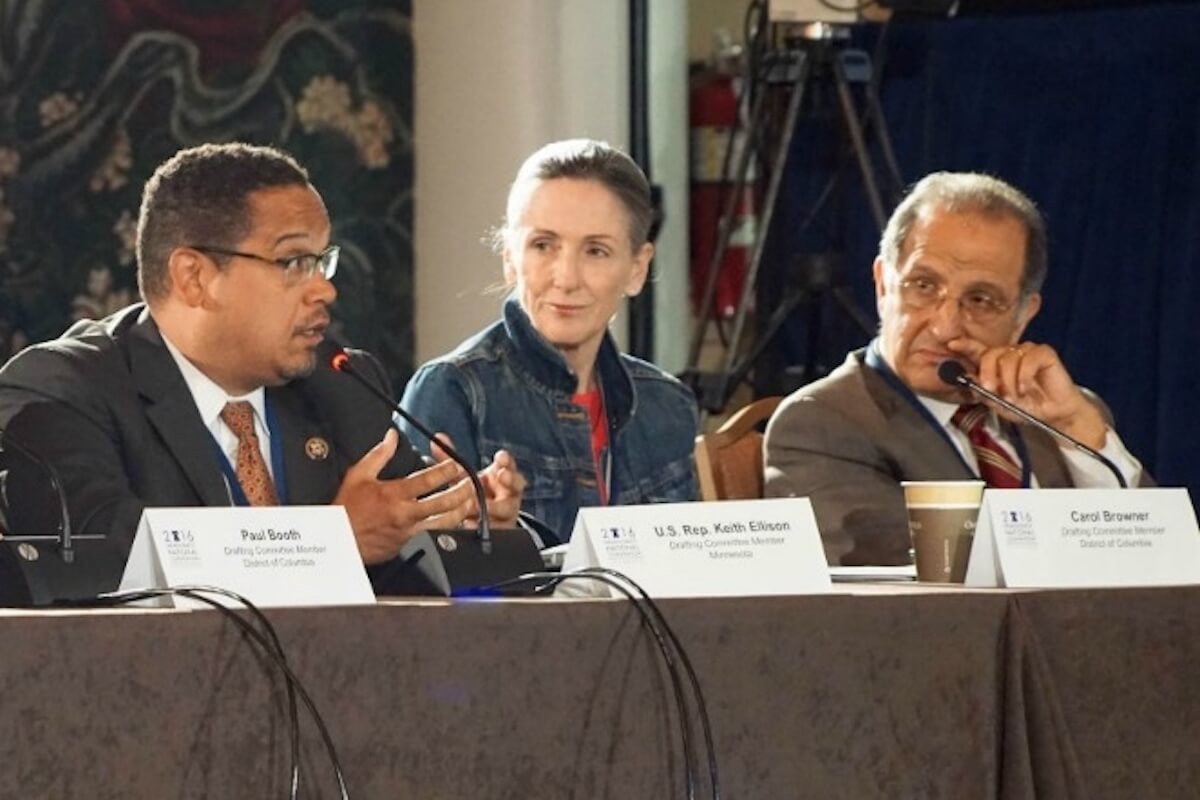
We never know where pro-Israel groups – AIPAC in particular – will draw their red lines,” said James Zogby tells Mondoweiss, In ’88 when I was representing Jackson in the platform fight, they wouldn’t allow the ‘P’ word. I was told that if we raised it, ‘you will destroy the Democratic Party.’

Rep. Paul Gosar (R-AZ) is calling for the Department of Education to investigate the Center for Middle East Studies at the University of Arizona. Gosar sent a letter to Secretary of Education Betsy DeVos claiming that the program is “anti-American and pro-BDS.” One of the examples Gosar cites is a piece by CMES associate professor Maha Nassar that ran on Mondoweiss two years ago.