With the most important political shifts in 30 years taking place in Israel, the U.S., and China, perhaps 2023 will be remembered as the year tangible political momentum shifted for Palestine.


With the most important political shifts in 30 years taking place in Israel, the U.S., and China, perhaps 2023 will be remembered as the year tangible political momentum shifted for Palestine.

AIPAC’s latest congressional delegation to Israel led by House Minority leader Hakeem Jeffries highlighted the split between the anti-Palestinian wing of the Democratic party and the growing majority who recognize the apartheid reality in Palestine.
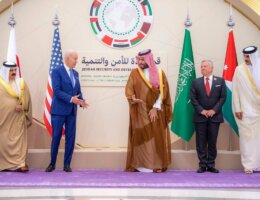
The Biden administration’s reported efforts to broker a normalization deal between Saudi Arabia and Israel are cause for genuine alarm and could make the already horrifying situation for Palestinians much worse.

A New York Times Op-Ed featuring liberal Zionist leaders calls to end military aid to Israel as the country passes a law gutting its judiciary. This is the moment people working to end U.S. aid to Israel have been waiting for.
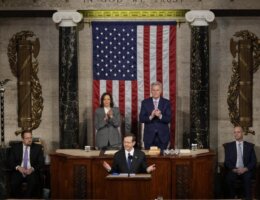
There is a real sea change in popular views of Israel, especially among Democrats and left-leaning Americans. But it’s not yet being seen in Washington, DC.
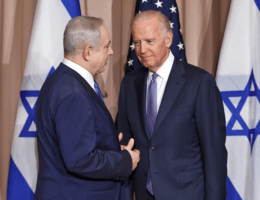
Tom Friedman created minor shockwaves when he wrote the Biden administration is “reassessing” the U.S.-Israeli relationship, but actual U.S. policy remains committed to Israel and the “shared fiction” that the occupation is temporary .

Israel’s “right to defend itself” is invoked constantly by its supporters, but international law says Israel cannot simultaneously occupy Palestinian land and attack it as a “foreign” threat, or treat those resisting as enemy combatants.
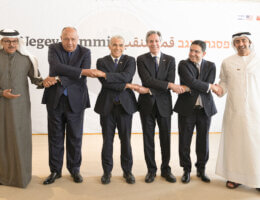
Morocco canceled a key normalization gathering following an Israeli announcement to expand settlements. It was the latest setback for the Abraham Accords despite U.S. efforts.
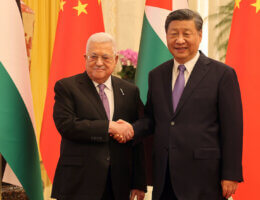
Mahmoud Abbas’s recent trip to China indicates the Palestinian Authority has finally acknowledged the U.S. will never deliver. But, his defense of Uyghur oppression to win the favor of the Chinese government may have cost Palestinians more than he realizes.

Amichai Chikli’s crude insults against American Jews personify Israel’s hubris in biting the American hand that feeds it. The White House is reportedly unhappy but continues to turn the other cheek. This won’t last forever.