Mourid Barghouti, beloved Palestinian poet and the author of the stirring memoir “I saw Ramallah,” died earlier this month in Amman at the age of 76.

Mourid Barghouti, beloved Palestinian poet and the author of the stirring memoir “I saw Ramallah,” died earlier this month in Amman at the age of 76.
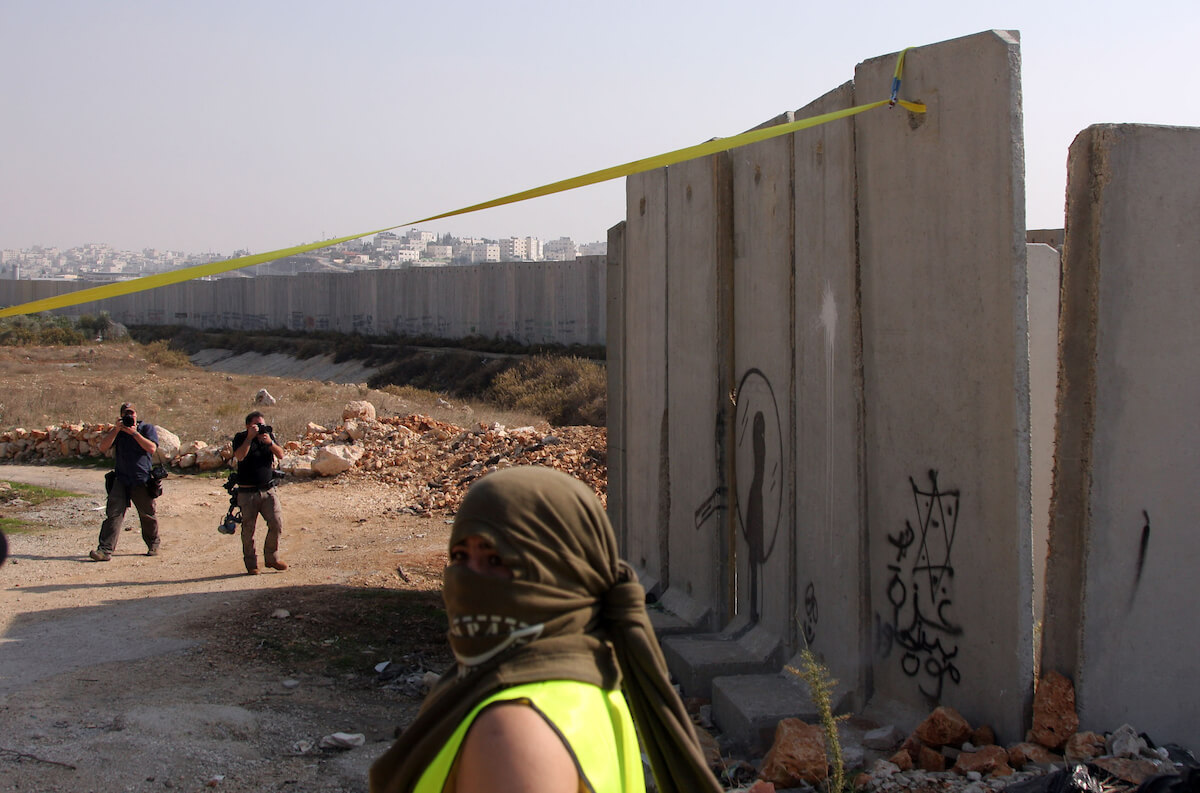
Israel’s leading human rights organization accusing the country of “apartheid” shows in the eyes of many Israelis, the government no longer possesses democratic ideals.

Last week an Israeli district court ruled against a Palestinian filmmaker and actor, Mohammad Bakri in a defamation and libel case, ordering him to pay hefty compensation to an officer in the Israeli military who was accused of carrying out war crimes in the 2002 documentary “Jenin, Jenin.” Ramzy Baroud says the verdict can be understood within two contexts: one, Israel’s regime of censorship aimed at silencing any criticism of the Israeli occupation and apartheid and, two, Israel’s fear of a truly independent Palestinian narrative.

2020 may have been a devastating year for Palestine, but a closer look would allow us to see it as an opportunity for a whole new Palestinian political discourse.

Whenever I conduct an interview with a Palestinian prisoner or their family, I am told, repeatedly, that “no one cares. But is this really the case?

Ramzy Baroud talks with the Palestinian youth behind “We Are Not Numbers,” a media project in Gaza that aims to transcend the stereotypical discourse on Palestine.

Ramzy Baroud argues the once relatively marginal impact of Christian Zionists in directly shaping U.S. foreign policy, has morphed over the years – particularly during the Trump presidency – to define the core values of the Republican Party.

Benny Gantz and Benjamin Netanyahu are maneuvering for political advantage inside Israel by trying to outdo one another on an Israeli activity that sadly always wins support: bombing Gaza.
Until the Palestinian Authority hands over the keys to the PLO, Benjamin Netanyahu will, tragically, remain the only relevant party determining the fate of Palestine and her people.
Ramzy Baroud writes Abbas is not serious about terminating the agreements with Israel. Instead, this is a strategy of protracted inaction and ambiguity.