The Palestinian actor Faisal Abu Alhayjaa is known to the New York theater audience for his charismatic performance as a wounded resistance fighter in Bethlehem in “The Siege”, a production from the Jenin Freedom Theatre. He will be speaking about “laughter and liberation” at the People’s Forum in NY on Sunday.
Rev. Nour Sahawneh aids thousands of refugees at his church in Mafraq, Jordan, near sprawling city-like camps. “Their lives are a disaster,” he tells Alice Rothchild. “They are a tool of war. They became a subject in a war, not a people to help… War is business.”
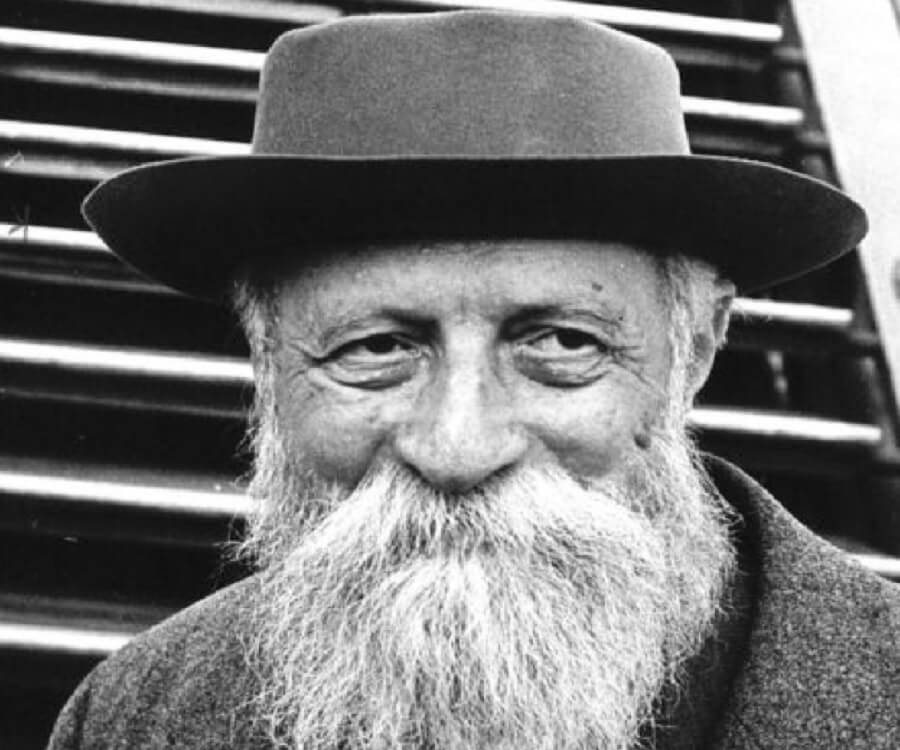
Marc Ellis reviews Paul Mendes-Flohr’s new biography, Martin Buber: A life of Faith and Dissent: “My biggest complaint, a serious one, is that Buber’s understanding of the prophetic is mentioned but is hardly given the due needed. Buber’s analysis of the prophetic and its consistent failure, exemplified in his life both in Germany, Palestine and Israel, will, in my view, be, perhaps already is, Buber’s greatest contribution to the Jewish present and future.”
Iraqis throughout the Middle East remain unregistered, uncounted, unassisted and unprotected. But Alice Rothchild visits the Collateral Repair Project in Amman, begun in 2006, which serves 10,000 families a year and teaches everything from Capoeira, to music, to English, to mind-body medicine.
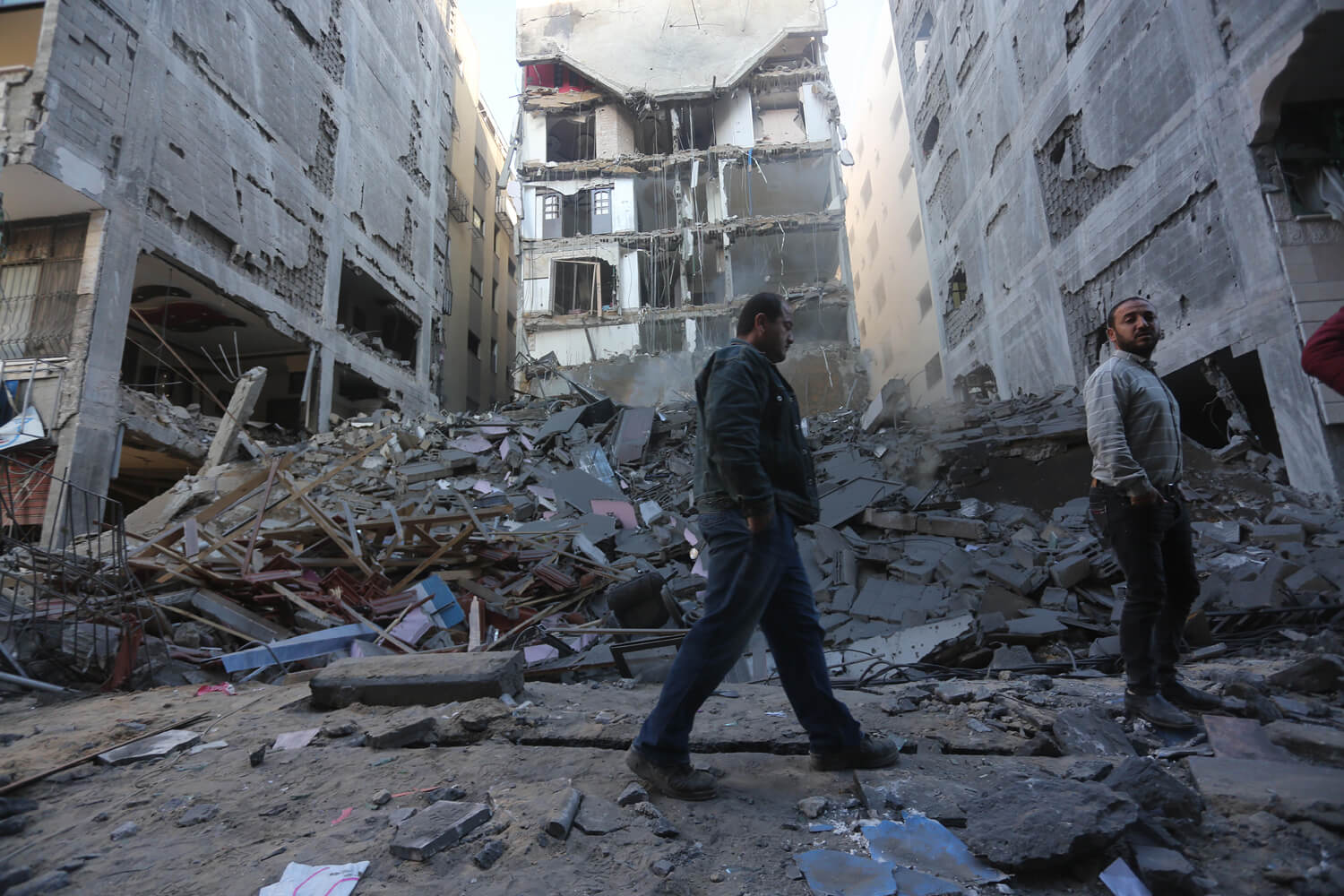
Marc Ellis was to lecture students in Gaza by Skype but Israeli bombing caused a postponement– a first for the veteran scholar, who writes, “You are witnessing the end of ethical Jewish history.”
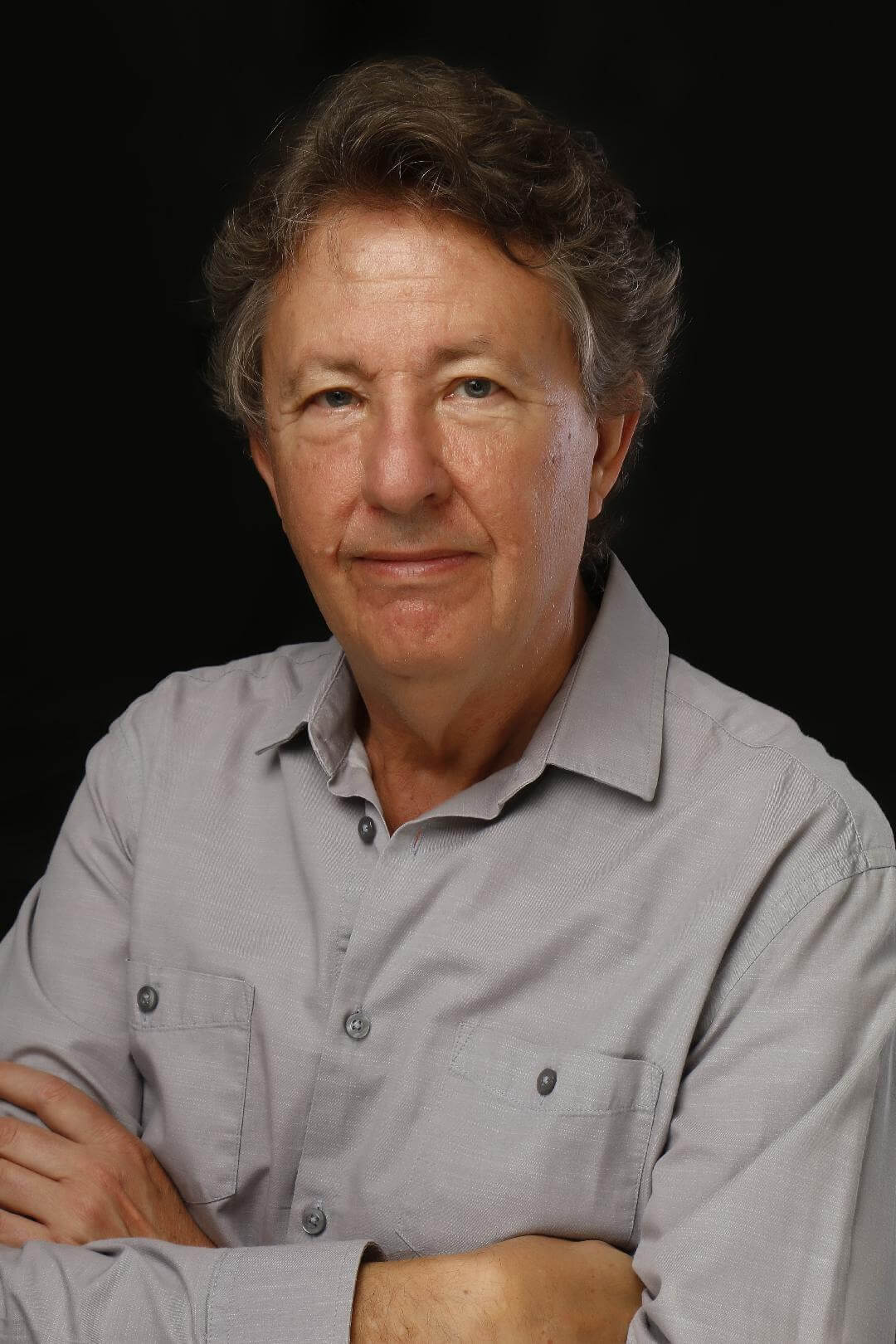
Jonathan Ofir at a family seder in Israel, hearing the old stories of genocide: “You don’t want to throw away everything because some of it is rotten, you don’t want to make a family gathering political, but it’s hard to be part of it and reduce it to mere ‘tradition’. You’re wondering what you are enabling, indirectly, by not speaking out, or by saying too little, or by not opposing things more clearly.”
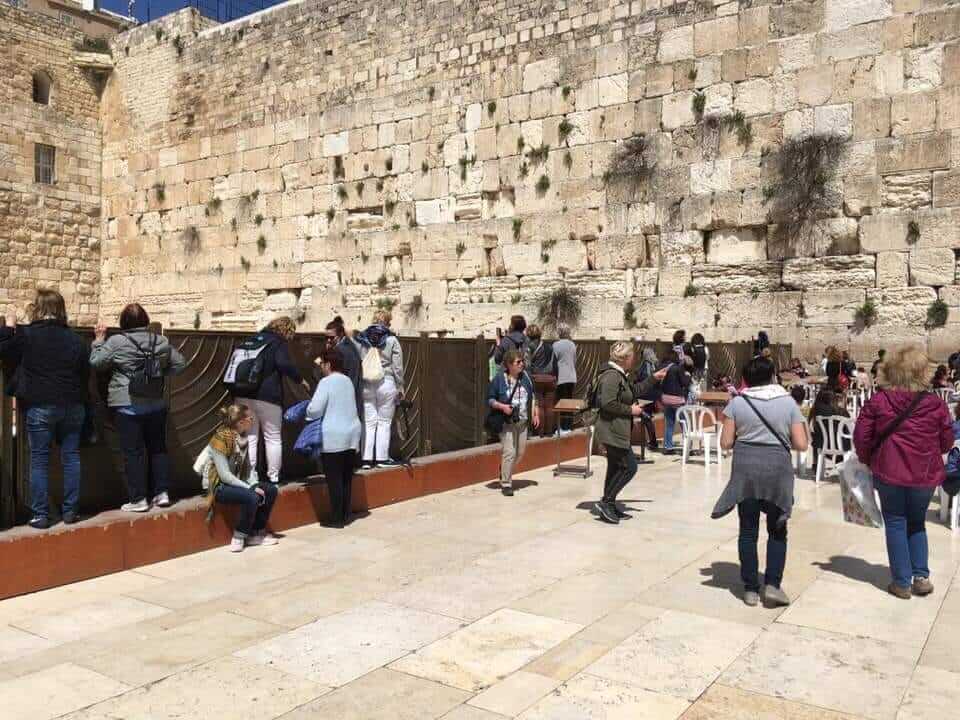
Jonathan Ofir continues his journey in Israel-Palestine. He visits the western wall in Jerusalem and reflects on the erasure of the Magharibah quarter, sees a sign commemorating the theft of Yemenite babies, and reflects on the utter invisibility of the Palestinian presence in Israeli life.
“Sometimes I am asked where would I begin if I were to write a Jewish Theology of Liberation today from scratch?” Marc Ellis writes. “A Jewish Theology of Liberation might begin with an addition to Emil Fackenheim’s 614th commandment or, more to the point, the positing of another commandment,” he answers, “after the Holocaust and after Israel – and what Israel has done and is doing to the Palestinian people. The 615th Commandment? ‘Thou Shalt Not Murder Those Who Resist Your Oppression.'”
A natural gas pipeline from the sea through Jordan is Israel’s latest effort to normalize relations with its Arab neighbors. But Palestinians resist. In Amman, Alice Rothchild visits an exhibit of remarkable friezes by Palestinian artist, Abdul Hay Mosallam. “They killed me and my killer denied me while turning cold in my grave,” are the words on the Gaza piece.