In the wake of the ceasefire in Gaza, a poem about maintaining militant clarity on what the last year of Zionist genocide means for writers and people of conscience across the world.
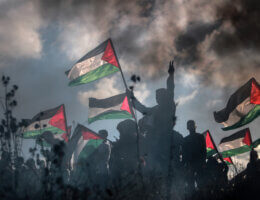

In the wake of the ceasefire in Gaza, a poem about maintaining militant clarity on what the last year of Zionist genocide means for writers and people of conscience across the world.
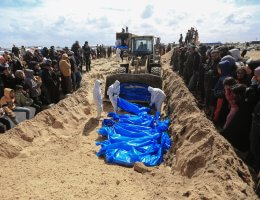
In my life, I have been enmeshed in two genocides. The first was when I survived the Holocaust in World War II. The second is the Gaza genocide, which is being carried out in my name and which is exploiting my story to justify the slaughter.
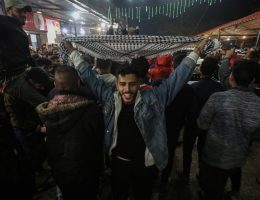
In the wake of a ceasefire, many will try to force the discourse into a binary of victory and defeat. But as the dust settles, a true picture emerges: one of the fragility of the Israeli colony, and the transformative power of resistance.
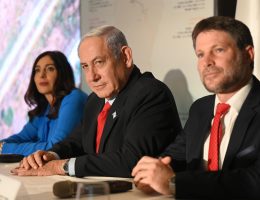
As of Friday a ceasefire deal still hung in the balance. After delays by Netanyahu, Israel’s cabinet finally convened to deliberate on a vote. But even if the deal goes through, all signs are pointing to Israeli plans to sabotage it after phase one.
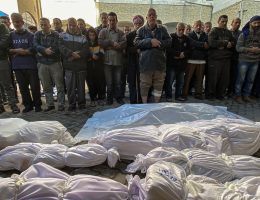
Now that a ceasefire has been agreed to in Gaza, the bombs will stop falling, and the world will breathe a sigh of relief. Yet, for those of us who survived, the war hasn’t ended—it has merely transformed.

A ceasefire deal to finally stop the genocide in Gaza and bring about an exchange of captives appears to be at hand, but many questions remain. Among them is the role the incoming Trump administration played and what this says for his policy in the region.

The Israeli onslaught has disfigured space and time in Gaza leaving a physicist like me no other choice but to use my understanding of the universe, as well as the wisdom of the ages, to navigate and survive the genocide.
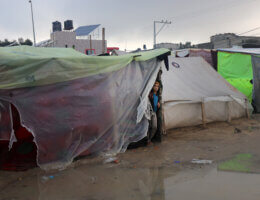
In Gaza, survival is a daily act of defiance. Finding moments of laughter and warmth in a tent battered by rain is nothing short of a miracle.
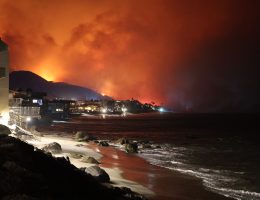
The fires burning in Palestine and Los Angeles today are symptoms of the same disease: a system that values conquest over conservation, profit over people, and expansion over existence.
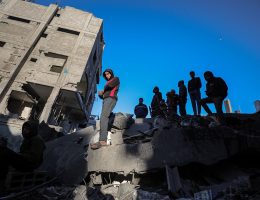
All young Omar wanted for his birthday was for his father to come home with some meat for a simple celebratory meal. Almost a year later, his father is still missing after being abducted by Israel, and his birthday wish is yet to come true.