For months, Palestinian farmers in the northern West Bank have watched their water lines cut and their wells marked for demolition in Israel’s slow strangulation of Palestinian agriculture, as farmers tell Mondoweiss “there is no tomorrow” for them.
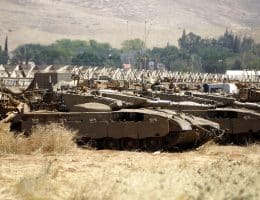

For months, Palestinian farmers in the northern West Bank have watched their water lines cut and their wells marked for demolition in Israel’s slow strangulation of Palestinian agriculture, as farmers tell Mondoweiss “there is no tomorrow” for them.
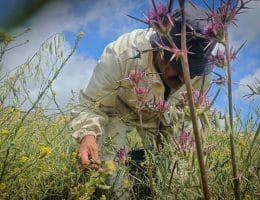
Israeli settler violence since October 2023 has systematically rendered farmland inaccessible across the West Bank. The state-backed policy is destroying harvests, driving up the price of produce, and dismantling an entire way of life.
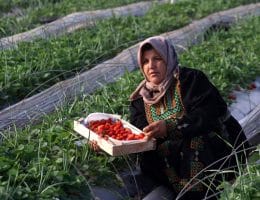
The Gaza Strip is renowned in Palestine for its bright red and delicious strawberries. Once a major agricultural export, Gaza’s fields of “red gold” have been decimated by Israel’s genocide.

Palestinian farmers are systematically prevented from working their land as Israelis thrive from ecotourism on stolen land. Agriculture in Palestine shows the damage done by Israeli apartheid.
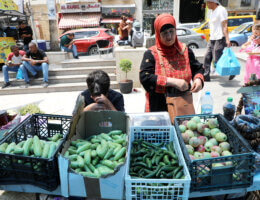
For Palestinian farmers, protecting the land is more important than cultivating it when it is always under threat of colonial confiscation.
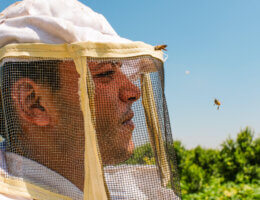
This is a story not of statistics and numbers and economics, this is a story about the generational transfer of skill. Munir Al-Kafarne passes his family’s bee keeping traditions to his sons as his small farming family attempts to subsist off the land only 1,000 feet from the highly-militarized separation wall in Gaza.
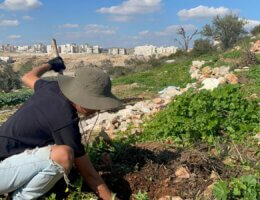
As apartheid Israel’s siege of Gaza enters its 15th year, food sovereignty, climate justice and self-sufficiency have become central issues in the greater fight for justice and Palestinian liberation.
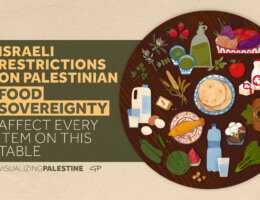
The Palestinian table is famous for its abundance, but Palestinian food sovereignty is under threat due to Israel’s system of settler-colonialism and apartheid.
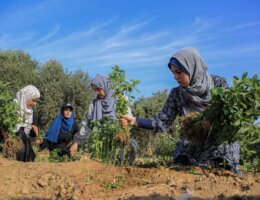
Due to the difficult economic conditions in Gaza two groups of women are turning to agriculture to provide for their families. “This land is not merely soil; it is our strength, hope, and soul,” says Aseel Al-Najjar.
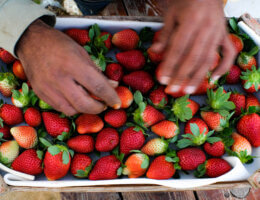
One of the great reliefs of Gaza’s cold winters is knowing that strawberry season is coming in December.