Haidar Eid’s “Banging on the Walls of the Tank” reveals a disturbing but irrefutable reality: the world has abandoned the Palestinian people to be annihilated as a people in the most calculated and brutal fashion possible.


Haidar Eid’s “Banging on the Walls of the Tank” reveals a disturbing but irrefutable reality: the world has abandoned the Palestinian people to be annihilated as a people in the most calculated and brutal fashion possible.

Liz Rose Shulman’s new book, Good Jewish Girl: A Jerusalem Love Story Gone Bad, provides a close-up view of one American Jew’s “perverse initiation into Zionism” and why these indoctrination efforts fail.

Renowned Palestinian writer Refaat Alareer was Reem Hamadaqa’s professor and close mentor. She writes of his posthumous book If I Must Die, “Alareer’s poems embody the essence of resistance, grief, steadfastness—sumud—and storytelling as survival.”

What comes after the supremacism and apartheid of Zionism? Ariella Aïsha Azoulay’s substantial new work, The Jewellers of the Ummah: A Potential History of the Jewish Muslim World, looks to dormant histories for visions of justice and repair.

The new book “Daybreak in Gaza: Stories of Palestinian Lives and Culture” seeks to push back against the dehumanization at the heart of the Gaza genocide by illuminating the human spirit of a place under attack.
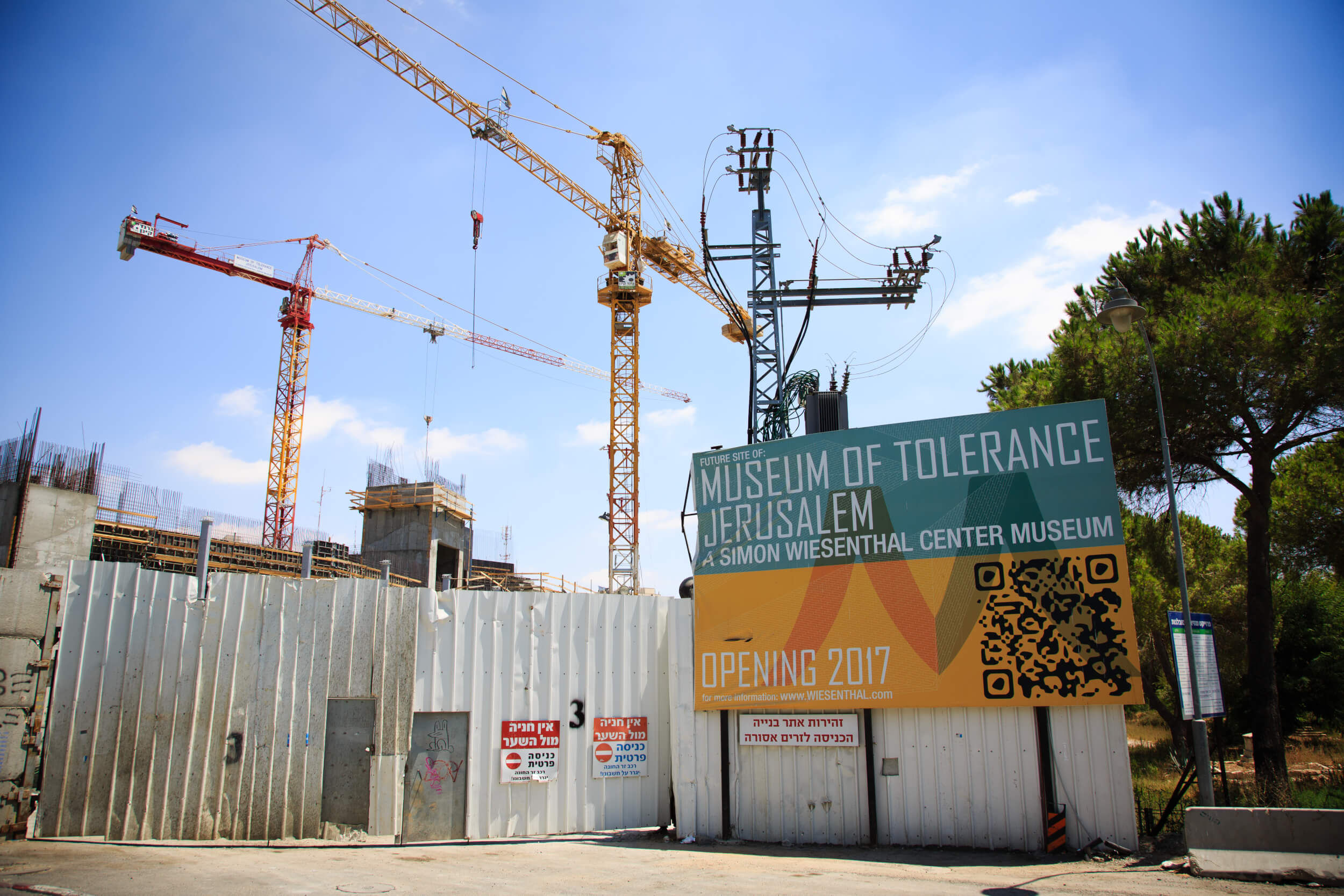
Saree Makdisi’s “Tolerance Is a Wasteland: Palestine and the Culture of Denial” shows just what a sham Israeli liberalism always was and continues to be.
Maya Wind’s new book meticulously demonstrates how Israeli academic institutions were created to serve the Zionist colonization of Palestine. They continue to do so to this day while fueling Israel’s university-military-industrial complex.

The Palestinian people practice resistance through “sumud” and steadfastness in every aspect of their lives, including in music. After October 7, Palestinian music can serve as the moral compass pointing toward decolonization.

Yahya al-Sinwar’s autobiographical quasi-novel “Thorns and Carnations” shows the Hamas leader has lived a life focused on faith and an obsessive project to build an infrastructure of resistance in Gaza.
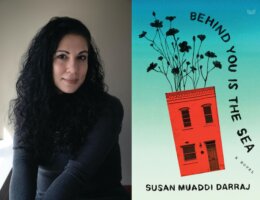
Susan Muaddi Darraj’s communal story-telling weaves together the themes of the inheritance of exile between generations and the fragmentation of Palestinian lives across homeland and the diaspora.