Determined to Stay: Palestinian Youth Fight for Their Village is a valuable resource that centers Palestinian experiences for young adult readers.


Determined to Stay: Palestinian Youth Fight for Their Village is a valuable resource that centers Palestinian experiences for young adult readers.
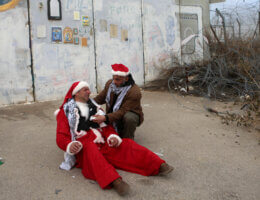
Brian J. Brown, a Methodist minister who was banned in his native South Africa in 1977 for anti-apartheid work, writes that apartheid in Israel/Palestine is in many ways more brutal than it was in his country, including checkpoints and barriers and expulsions. His new book says that recognition of that apartheid and total opposition to it is mandatory for any person or church that claims to follow Christian teachings.

Alison Glick’s novel, The Other End of the Sea, tells a gripping love story of two people caught in unbearable conditions.
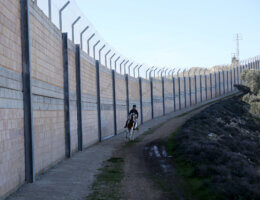
In his new book, “The State of Israel Vs. The Jews,” Sylvain Cypel paints a too-hopeful portrait of the anti-Netanyahu wing of American Jewish life as a virtuous broad tent united in their opposition to racism. What actually exists is a hodgepodge of intercommunal bickering, toothless fingerwagging, and hand-wringing– and this against an ever growing backdrop of Jewish only roads, deliberate bombings of civilian infrastructure and Associated Press offices, as Cypel himself meticulously documents. And in assigning importance to that Jewish argument, Cypel fails to treat Palestinians as autonomous political actors in the struggle.

The French writer Sylvain Cypel went to Israel as a young man to join the army and build the country. Now he is deeply dismayed by its rightwing nativism and indifference to international human rights law and has penned a lacerating book about the threat of Zionism to Palestinians and to Jewish tradition.
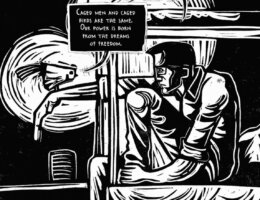
Mohammad Sabaaneh’s new book of linocuts uses the conceit of a bird conversing with a prisoner to get out the word on Palestinian conditions. “You bring the pencil, and I will bring the stories,” the bird tells the writer.
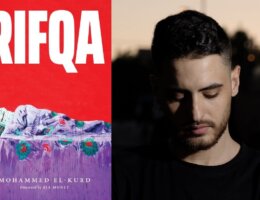
Susan Abulhawa reviews Mohammad el-Kurd’s stunning debut poetry collection, Rifqa: “Letting my eyes sweep over lines just once wasn’t nearly enough to take in the unbearable beauty of this book. The words that Mohammad assembles in his poems aren’t pulled from books or dictionaries. They are snatched from clouds, excised from his bones, excavated from Jerusalem’s fabled tales and the inscriptions on her storied stones, plucked from the creases in tank treads and history’s smoke.”

Kevin Hadduck had never met a Palestinian until five years ago when a student studying Latin walked into his office. This chance encounter led to Hadduck’s “Beloved Brother, Beloved Sister,” a book of poems from voices in Gaza.

New anthology shares the common experiences, and joint struggle, shared by Palestinian and Irish hunger strikers.
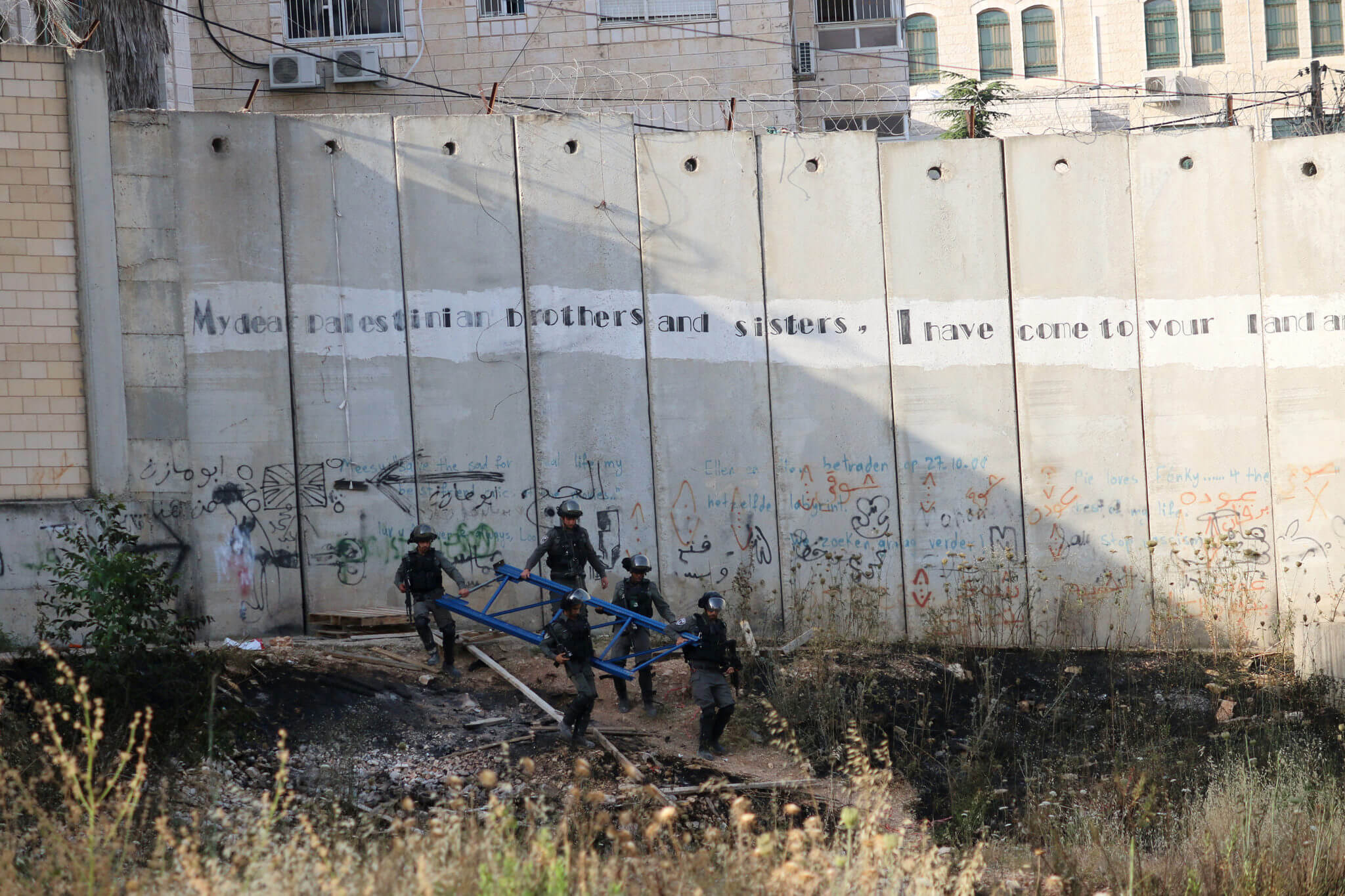
The only sustainable way forward is to engage in the “decolonization” of Greater Israel. What comes next remains an open question.