The last ten days of October saw an escalation in Israel’s campaign of mass killing across Gaza, including in so-called “safe zones.” The overall pattern of Israel’s assaults points to an extermination campaign.


The last ten days of October saw an escalation in Israel’s campaign of mass killing across Gaza, including in so-called “safe zones.” The overall pattern of Israel’s assaults points to an extermination campaign.
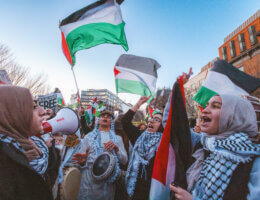
With just days left until the elections, the Muslim and Arab American communities are at a historic crossroads. Though united in their anger over U.S. foreign policy in the Middle East, voters are far from consensus on where to cast their ballots.
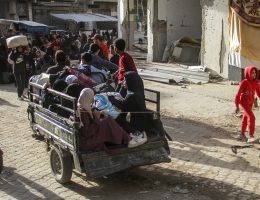
Witness testimony from northern Gaza shows that Israel is using facial recognition technology to organize how it conducts mass arrests and forcible displacement. Some Palestinians say the technology is also being used to carry out field executions.

Hezbollah’s newly elected Secretary General, Naim Qassem, said that the Lebanese resistance group would continue to fight for “days, weeks, and months” until Israel halts its genocide in Gaza.
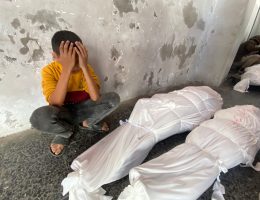
There are no more hospitals in northern Gaza as Kamal Adwan Hospital goes out of service. In Lebanon, Hezbollah’s new Secretary General, Naim Qassem, says the movement will not negotiate before a ceasefire.
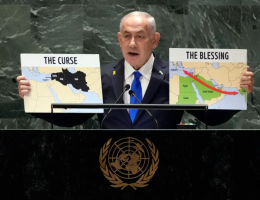
Israel has been able to insulate itself from the effects of the economic blockade imposed by the “Axis of Resistance” through supply chain warfare in the Middle East and the broader region.
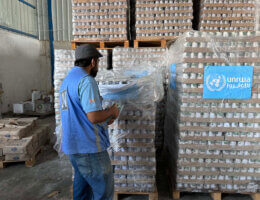
Israel has banned the work of the UN agency for Palestinian refugees, UNRWA, in Israel and East Jerusalem. The move could have a major impact on the agency’s life-saving work and is part of an ongoing campaign to erase Palestinian refugee rights.
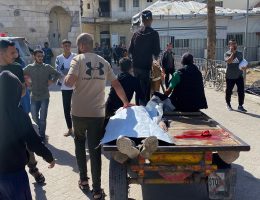
Survivors of the ongoing Israeli extermination campaign in north Gaza describe how the Israeli army is separating mothers from children before forcing them south, executing civilians in ditches, and directly targeting hospitals and medical staff.
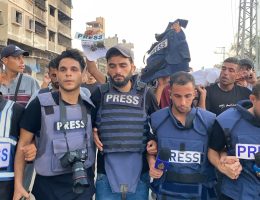
Israel’s slaughter of media workers in Gaza has been the most systemic attack on the press in world history. Shuruq As’ad of the Palestinian Journalists Syndicate shares the conditions Palestinian reporters are facing while reporting on the genocide.
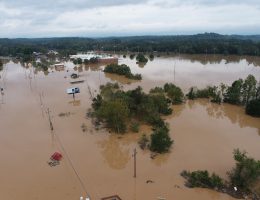
The devastation from Hurricane Helene and Israel’s escalation in the Middle East may not seem connected, but they are linked through the United States’s commitment to mass militarization and refusal to work toward a just global future.