Most Palestinians in Gaza say they don’t feel the relief they expected after the ceasefire. Israel keeps blocking aid into the strip, delaying reconstruction efforts, and leaving hospitals short on supplies, while people go hungry every day.


Most Palestinians in Gaza say they don’t feel the relief they expected after the ceasefire. Israel keeps blocking aid into the strip, delaying reconstruction efforts, and leaving hospitals short on supplies, while people go hungry every day.

An Israeli attack on her shelter caused the amputation of both of Nibal’s hands, forcing her to lose the thing she held most dear: the ability to hold her young daughter. Her story is one of hundreds of amputee women in Gaza.

The International People’s Tribunal on Palestine held in Barcelona presented striking evidence of Israel’s forced starvation of the Palestinian people and the deliberate destruction of food security in Gaza.

Israel’s assassination of Hezbollah’s top military commander threatens the collapse of the ceasefire with Lebanon and the return to war.
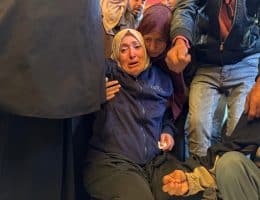
On Wednesday, Israel killed 33 Palestinians, including 12 children, in its latest violations of the Gaza ceasefire. Those killed include Palestinian families trying to return home and others caught in Israeli attempts to assassinate Hamas leaders.

Recent testimonies from the Palestinian Center for Human Rights share shocking stories of Palestinian rape victims released from Israeli detention. The stories are horrifying to read but essential for understanding Zionism and Israeli apartheid.
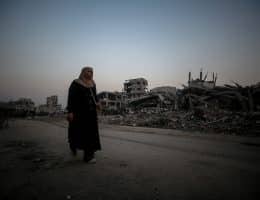
Palestinians hoped the Gaza ceasefire with Israel would offer a chance to recover from two years of genocide, but a month later, Israel continues to strike with impunity, the economic crisis remains, and nutritious food is nearly impossible to find.
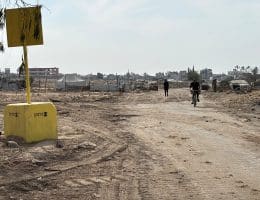
The “Yellow Line” splitting Gaza in two is meant to be temporary according to Trump’s “peace” plan. However, the fact that those terms were intentionally left vague suggests that the partition of Gaza was the real goal all along.

There’s outrage in Israel over the leaked video of Israeli soldiers gang-raping a Palestinian prisoner. However, the outrage isn’t about the rape itself but the fact that the video was leaked in the first place.

Here’s Israel’s strategy to continue the war on Gaza: find a pretext, no matter how baseless, use it to kill dozens of civilians and fighters, stop fire and claim you’re honoring the ceasefire. Then do it again.