The ceasefire deal between Israel and Hamas includes halting military actions, an Israeli withdrawal, increased humanitarian aid, and a prisoner swap. But it doesn’t guarantee an end to the war or that Israel won’t resume the genocide.
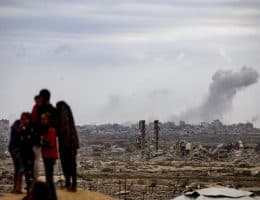

The ceasefire deal between Israel and Hamas includes halting military actions, an Israeli withdrawal, increased humanitarian aid, and a prisoner swap. But it doesn’t guarantee an end to the war or that Israel won’t resume the genocide.

Gaza erupted in celebration as a ceasefire agreement between Israel and Hamas was reached on Thursday. But while there has been an outpouring of joy over the prospect of an end to the genocide, many are skeptical that it’s truly over.

Two years on, the memory of October 7 returns as both catastrophe and possibility, reminding us that both resistance and surrender are choices haunted by loss. But two years on, we also learned something else: they are defeatable.

Every day, when we turn on the news, we thank God we survived the genocide. And every day, we regret it.

I never imagined my mission would be this painful: to write the stories of my neighbors, friends, and family erased in Gaza’s genocide.

Hamas just accepted Donald Trump’s “peace” plan. Here’s what Hamas didn’t accept, how Trump reacted, and why Netanyahu was blindsided.

As aid trickles into Gaza, famine-related deaths keep rising. The Gaza Health Ministry warns that “mass death” will soon be seen among infants, as mothers feed them “water instead of baby formula.”

Following Israel’s interception of the Global Sumud Flotilla, organizers have vowed that they will continue “to sail until Gaza is free.” They’ve already announced that the next mission will send a thousand ships to Gaza.

With at least half a million people still left in Gaza City, Israeli Defense Minister Israel Katz issued a “final warning” for residents to evacuate, saying those who remain will soon be regarded as “terrorists or terrorist supporters.”

The Trump-Netanyahu proposal lacks a clear timeline or method to enforce Israeli compliance. If Hamas rejects the plan, the U.S. says Israel can “finish the job” in Gaza. But if it accepts, it could plunge the Palestinian cause into deep uncertainty.