Harriet Malinowitz’s new book, “Selling Israel: Zionism, Propaganda, and the Uses of Hasbara,” reveals how Israeli propaganda and public relations promoted Zionism while concealing Palestinian oppression and dispossession.


Harriet Malinowitz’s new book, “Selling Israel: Zionism, Propaganda, and the Uses of Hasbara,” reveals how Israeli propaganda and public relations promoted Zionism while concealing Palestinian oppression and dispossession.

Zohran Mamdani’s victory over Andrew Cuomo is a historic turning point for Palestine in U.S. politics. It reflects a growing fatigue with Israel’s role in American life and the slow implosion of Zionism under the weight of its own excess.

The objective of the new film “October 8” is not to impart information but to cause panic— a panic the filmmakers hope will lead viewers to support the violent crackdowns on student Palestine activists that we are seeing across the U.S. right now.

“No Other Land” won a well-deserved Oscar, but co-director Yuval Abraham’s speech epitomized liberal Zionist hasbara, centering the needs of Israelis over Palestinian freedom, while undermining the resistance of the Palestinian subjects of the film.

The media’s censorship of the facts of the Amsterdam soccer hooligan violence was more than just bad reporting. It was yet another example of the ideological fiction that Jewish actions can never be blamed for the violence they cause.

Debunked claims of sexual violence carried out by Palestinians on October 7 have dominated Western coverage of the Gaza genocide. It is still essential to counter this Israeli propaganda to correct the historical record.

Saree Makdisi’s “Tolerance Is a Wasteland: Palestine and the Culture of Denial” shows just what a sham Israeli liberalism always was and continues to be.

Canada’s largest private high school recently organized a genocide solidarity trip in which students cooked for Israeli soldiers. In a sane world, the school’s charitable status would be revoked.
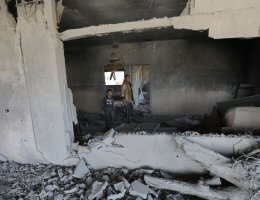
Since October 7, Zionists have wielded atrocity propaganda to justify genocide, while Palestinians have shared testimony of the atrocities they have witnessed. The difference is not just in the truth of these stories, but also their function.
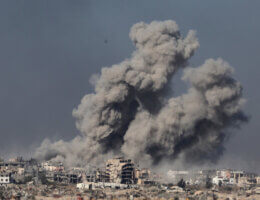
Recent reports by Physicians for Human Rights Israel and Human Rights Watch on alleged mass rape and the Ahli Hospital attack fail to meet the basic standards of human rights reporting and feed into Israeli propaganda campaigns justifying genocide.