Joseph Aoun’s election this week as Lebanon’s new president reflects a new push toward a unified Lebanon. As the ceasefire time frame between Israel and Hezbollah ends there are signs Lebanon will be more capable of resisting Israeli aggression.


Joseph Aoun’s election this week as Lebanon’s new president reflects a new push toward a unified Lebanon. As the ceasefire time frame between Israel and Hezbollah ends there are signs Lebanon will be more capable of resisting Israeli aggression.

60 Minutes’s story on Israel’s pager attack that killed dozens and injured thousands of Lebanese featured no Lebanese voices and was told completely from the Israeli perspective. In the process, it justified war crimes in Lebanon and Gaza.
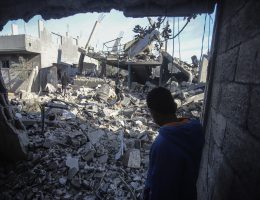
With the fall of Syria’s Bashar al-Assad, the truce between Hezbollah and Israel, and reports of progress in Gaza ceasefire talks in Cairo, Palestinians in the Strip are hopeful their reality may soon change.
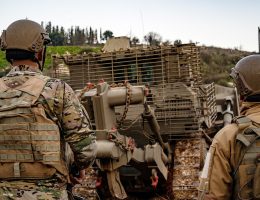
Unpacking the ceasefire deal reached between Israel and Hezbollah and what it means for a potential regional war and the ongoing genocide in Gaza.

The ceasefire agreement between Hezbollah and Israel has accomplished Israel’s goal of decoupling Gaza from Lebanon. But while the future of the Axis of Resistance remains unclear, so does Israel’s own strategic path forward.

A ceasefire deal between Israel and Hezbollah took hold on Wednesday. As both sides halted their military operations, thousands of displaced Lebanese began returning to their homes and villages that had been under a months-long Israeli bombardment.

According to Israeli reports, Israel and Lebanon are very close to concluding a ceasefire deal, after two days of intense fire exchange between Hezbollah and the Israeli army over the weekend.

On the heels of the ICC issuing arrest warrants for Israeli officials, Israel killed at least 87 Palestinians on Thursday in strikes across the Gaza Strip, as well as nine Palestinians in Jenin in the northern occupied West Bank.

The US and Israel say ceasefire negotiations with Lebanon are progressing, but Lebanon says negotiations still have a long way to go. Meanwhile, Israeli strikes intensify in Gaza, killing 111 Palestinians in a single day in the northern Gaza Strip.
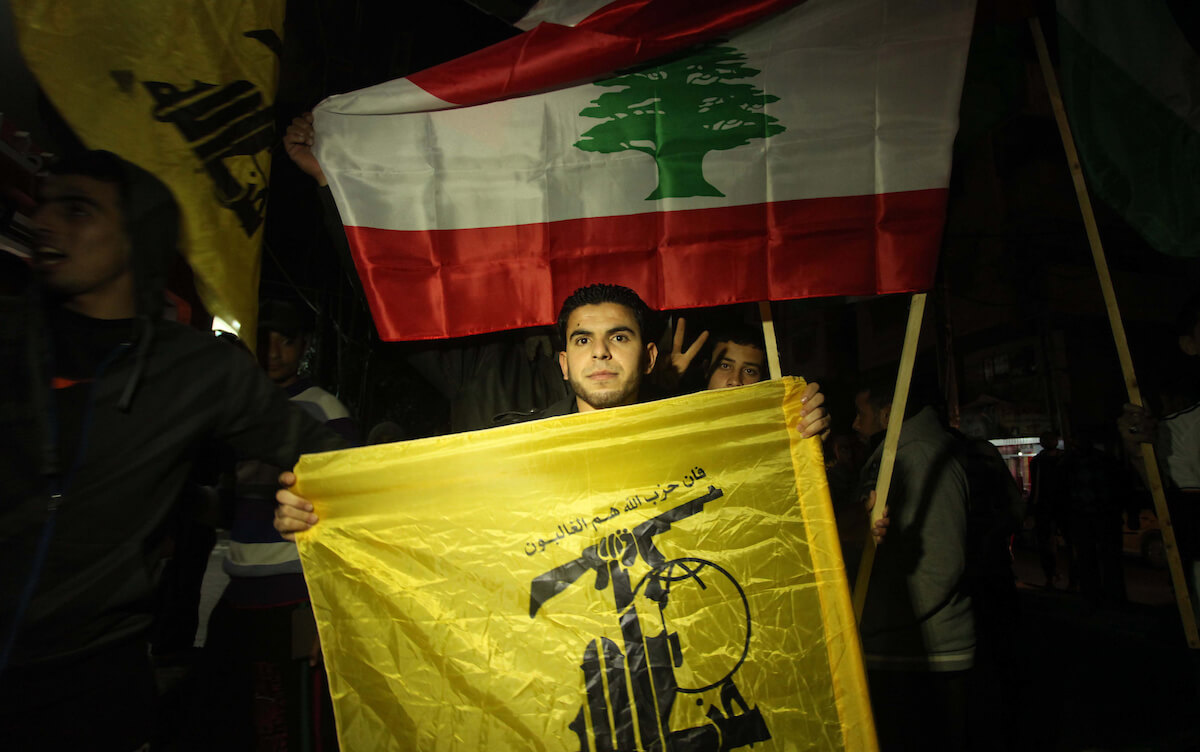
Despite relentless Israeli attempts to misrepresent and dismantle Hezbollah, the organization has endured. A look at the group’s history and goals explains its enduring power and shows how much of what’s said in Western media is not true.