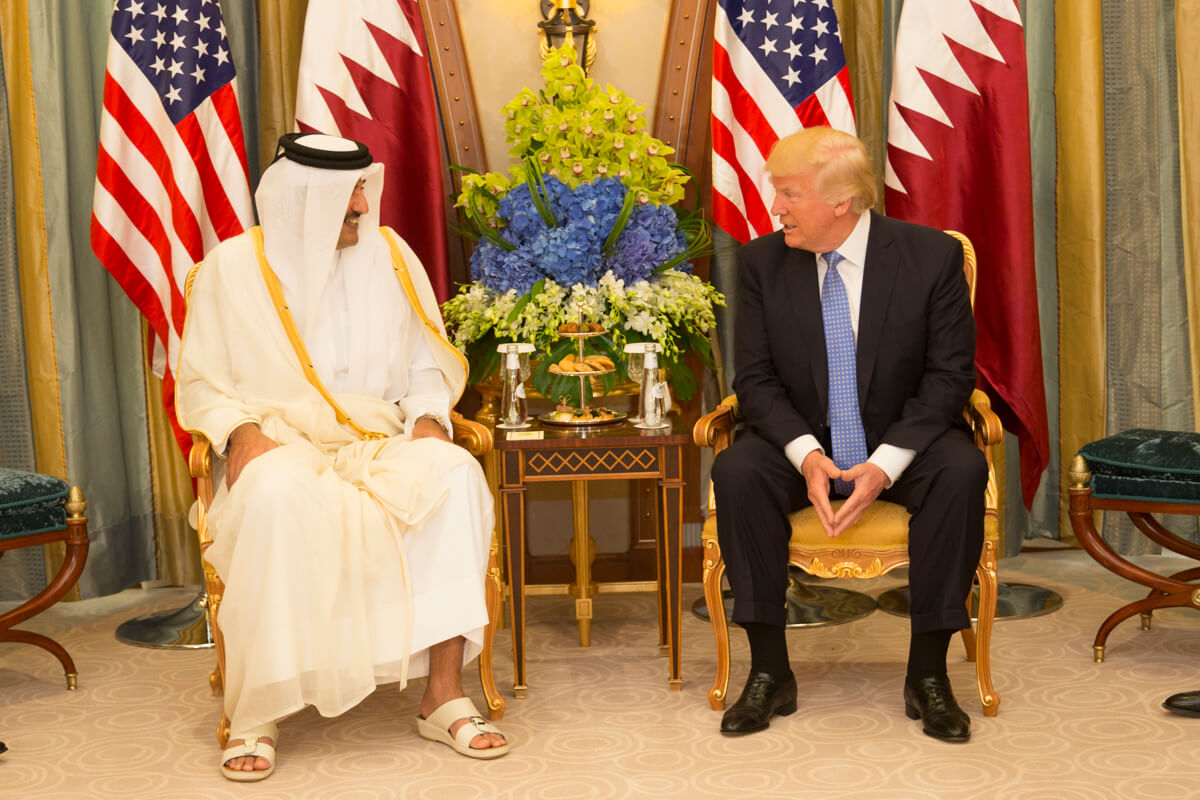
Iran today is not a unified, expansionist juggernaut, but an increasingly corrupt, discredited regime that faces rising opposition. But U.S. policy reflects the Israeli and Saudi claim that Iran is supposedly unified, powerful and expanding, so it must be confronted everywhere.
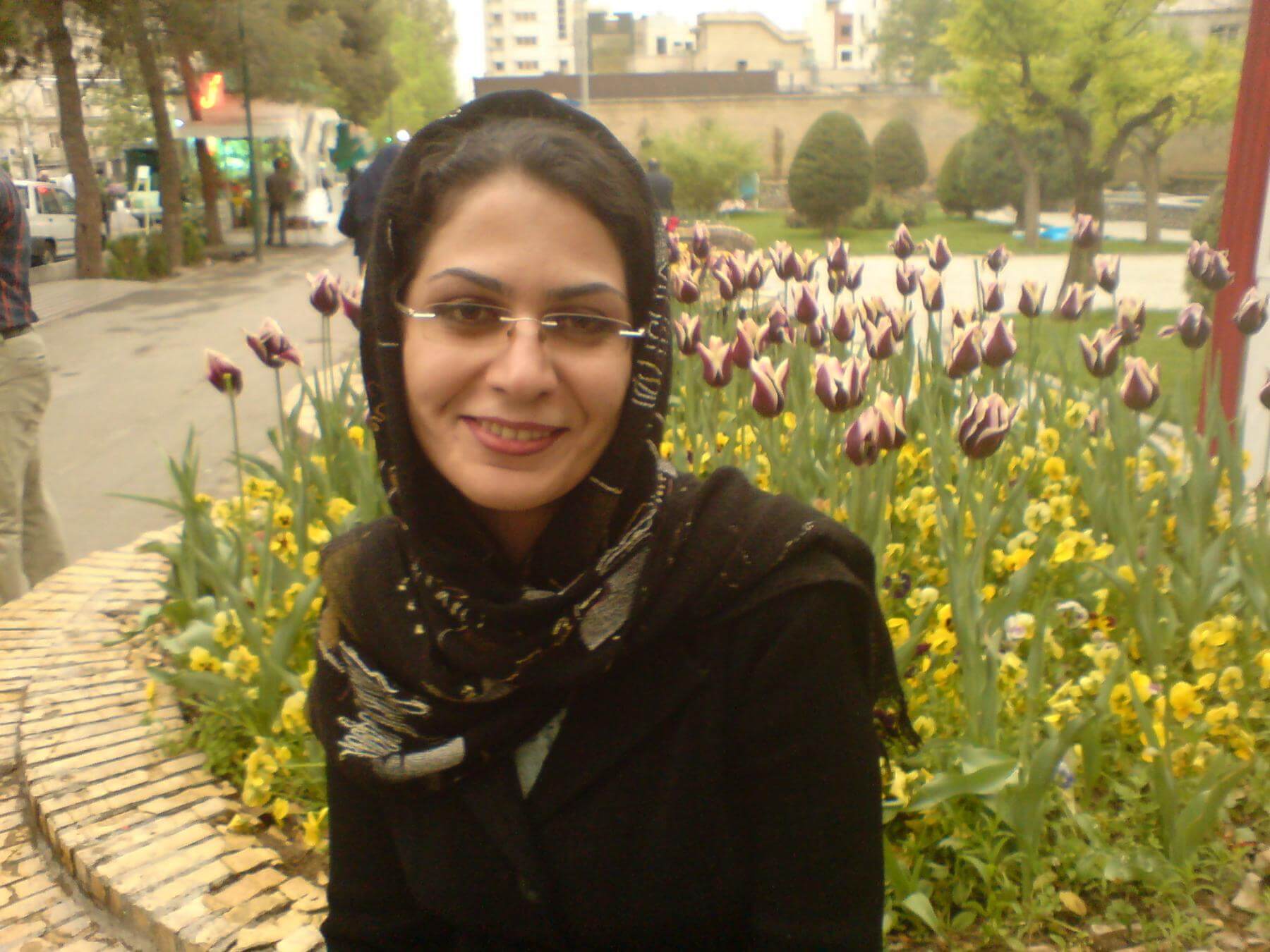
The abrupt announcement that Saudi Arabia, Egypt, Bahrain, UAE, Yemen, the Maldive Islands, and the eastern government in divided Libya have broken all economic and political ties with Qatar has given rise to a tsunami of conjecture, wild speculation, and most of all, to wishful thinking and doomsday worries. Richard Falk untangles the threads of the story so far what it could mean for U.S. foreign policy in the region.
When Donald Trump stopped all incoming travelers from seven primarily-Muslim countries, Iran was on the list. Iran retaliated by blocking all Americans from traveling to Iran, including the U.S. wrestling team who were scheduled to compete in the annual wrestling version of the World Cup. When the ban got knocked down stateside, the Iranians relented and the plot thickened when it all came down to the U.S. vs. Iran in the finals. You might think a sports drama like that would be of interest to the media. But NBC, who had rights to cover the event, instead opted for a blackout on it.
Yakov Rabkin travels to Iran where he meets with local Jews. He writes, “One should not idealize the life of Jews in Iran who have had their share of challenges. But their life stands in contrast to a well-oiled campaign to besmirch the history of Jewish-Muslim relations in order to suit a political agenda, the agenda of those who argue that there is no safe place for Jews except Israel.”
Hillary Clinton brought up Israel twice at last night’s debate but Bernie Sanders didn’t take the bait even as he landed on Henry Kissinger. He ought to be telling Americans that she got her job as secretary of state due to her close connections to Israel
Stephen Pampinella, a scholar of int’l relations at SUNY New Paultz, says Bernie Sanders must challenge neoconservative policies in both parties by declaring he will work with Iran to stabilize the Middle East in a “post-hegemonic” world order that relies on international law. Israel lobby won’t like this!
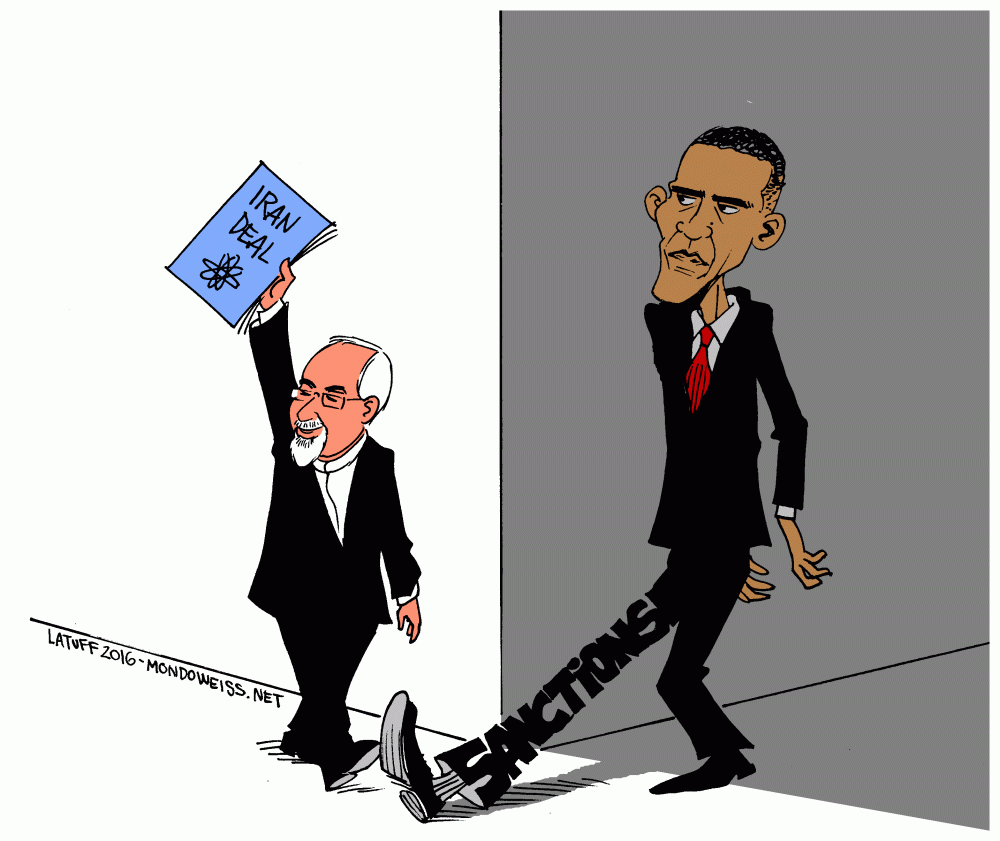
Over the weekend, in a victory for diplomacy, the U.S. lifted sanctions on Iran in place since 2006 as the two countries also completed a prisoner exchange. But no sooner than the plane carrying released prisoners had left the tarmac in Iran, the U.S. Department of Treasury slapped new sanctions on Iran over its ballistic missile testing last fall, breaking the spirit of the agreement with Iran.
Orientalism is alive and well at the New York Times, as the paper tries to explain the Saudi-Iran dispute by citing 7th century theology.
Congress seeks to link Iran with San Bernardino attacks with visa legislation that John Kerry has to apologize for. Iranians talk about the Zionist lobby’s effect; but US media avoid it.