The attack on Iran is just the latest crime in the Israeli regime’s path of destruction across the Middle East. Its Western-backed impunity has become a global threat.
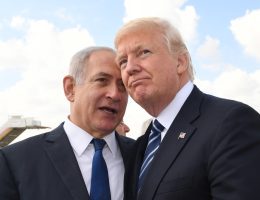

The attack on Iran is just the latest crime in the Israeli regime’s path of destruction across the Middle East. Its Western-backed impunity has become a global threat.

Israel is using the war on Iran to further its colonization and annexation of the West Bank, turning Palestinian communities into caged enclaves.

Palestinians in Gaza are watching the skies as missiles fall on Tel Aviv instead of them. While many think Israel can be defeated, others are left frustrated that Iran did not intervene and come to Gaza’s aid sooner.

Donald Trump called Israel’s attack on Iran “excellent” and warned there is “more to come” as Israel lobby groups and U.S. lawmakers threatened further bombings and escalation in the region.
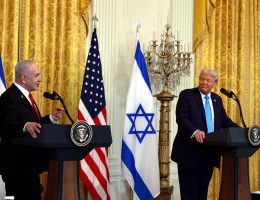
The long-dreaded war in the Persian Gulf between a U.S.-backed Israel and Iran appears imminent, and it is all based on a manufactured crisis aimed at undermining the Iran nuclear negotiations.

The New York Times reports that Israel was planning to launch air strikes against Iran before the Trump administration called off the move.
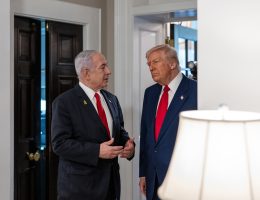
The talks between Iran and the U.S. set to begin today have a chance to succeed if the Trump administration grounds its policy in the realities of Iran’s nuclear program, not fearmongering promoted by Israel and its allies.
Donald Trump’s surprising announcement that talks are starting with Iran gives the White House a pivotal choice: follow pro-Israel hawks calling for a military confrontation with Iran, or chart a diplomatic course that could avert a disastrous war.
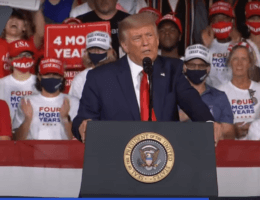
Michael Arria speaks with expert Sina Toossi about the influence neoconservatives will hold in the new Trump administration and what this could mean for policy toward Iran and the broader Middle East.

Members of the incoming Trump team are promising a “maximum pressure” campaign against Iran, and they’re not ruling out airstrikes.