A new Washington Post report reveals Israel used white phosphorus in Lebanon that was manufactured in Louisiana and Arkansas.
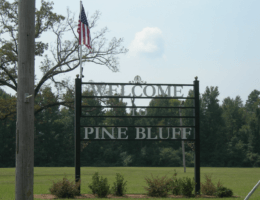

A new Washington Post report reveals Israel used white phosphorus in Lebanon that was manufactured in Louisiana and Arkansas.

Israel continued to pound Gaza with airstrikes for the 6th day Thursday. Settler violence in the West Bank claimed five lives, while calls for ceasefire are overshadowed by brazen U.S. support for Israel’s assault on Gaza.
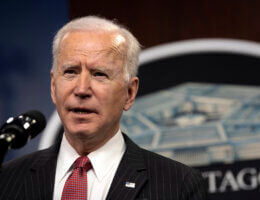
The proposed U.S.-Saudi Arabia-Israel deal will almost certainly fail. Then, the U.S. mainstream media will blame the Palestinians.
The New York Times is uncritically promoting the Biden administration’s ill-fated efforts to promote Saudi-Israeli normalization while the rest of the U.S. media rightly ignore it.
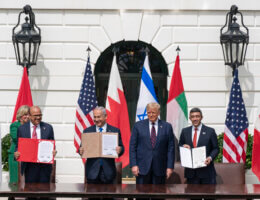
In a 413-13 vote, the House of Representatives passed legislation to expand the Abraham Accords with a goal of normalizing relations between Israel and Saudi Arabia.
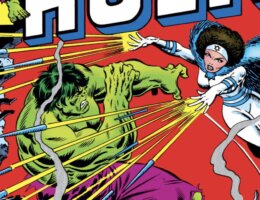
A number of Palestinian film and arts organizations are calling for a boycott of Marvel Studio’s forthcoming Captain America movie over its inclusion of an Israeli superhero.
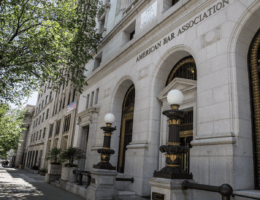
The American Bar Association passed a resolution condemning antisemitism but removed a reference to the controversial IHRA definition from its text.

Israeli officials have launched a smear campaign against Netflix and the film “Farha,” which tells the story of a young Palestinian girl who witnesses the horrors of the Nakba.

A draconian set of rules and restrictions on the entry of foreigners into the occupied West Bank have gone into effect today, despite months of condemnations by rights groups and legal efforts to stop the restrictions from being enforced.
“It of course comes down to demographic considerations,” Israeli attorney Yotam Ben Hillel explains. “These new restrictions will completely isolate Palestinian society.”

Critics of U.S. aid to Egypt ask why ask pointedly why the Biden administration is giving $1.3 billion to a military regime that has an estimated 60,000 political prisoners, one of the highest totals in the world. The answer is that the U.S. has been bribing Egypt for the past 4 decades to maintain peace with Israel, and this year’s military aid is just the latest payoff.