Since August, Israeli settlers have blocked Palestinians from Umm Safa from reaching the village’s only cemetery. Residents say it’s the latest in a series of escalations by settlers — backed by the Israeli army — who are trying to expel them.
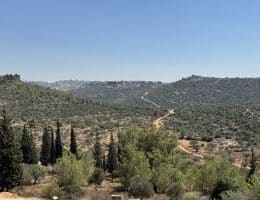

Since August, Israeli settlers have blocked Palestinians from Umm Safa from reaching the village’s only cemetery. Residents say it’s the latest in a series of escalations by settlers — backed by the Israeli army — who are trying to expel them.
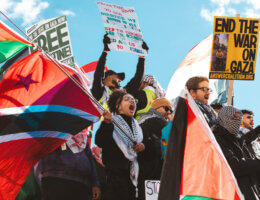
After three years of genocide, two decades of a criminal siege, and a century of occupation, we must confront Zionism from all directions until Palestine is free.
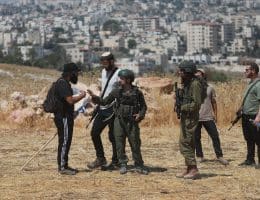
Settler attacks in the West Bank are ongoing with the enthusiastic approval of the Israeli army, as Palestinians are barred from accessing their own land, and their olive groves, for the fourth year in a row.
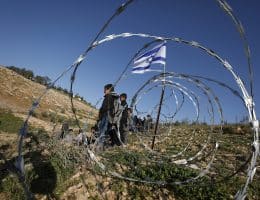
From my uncle’s exasperated sighs over olive groves we can no longer reach, to the iron gates the Israeli army has erected at the edge of my village, there is one word we use to cope: ‘aadi’, or, “normal” in Arabic. But this reality is anything but.
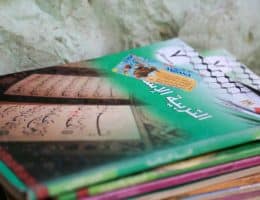
Nearly 38 percent of Palestinian students in East Jerusalem now study the Israeli curriculum, while the rest of the students’ textbooks are being censored line by line, stripping mention of Jerusalem, prisoners, the Nakba, and freedom fighters.
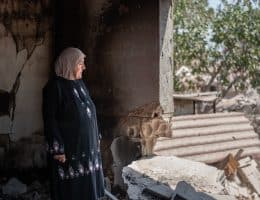
As part of a U.S.-brokered agreement with Israel and Lebanon, residents of some southern villages are cautiously returning to their homes. What they have found is a shell of their former lives, and a daily menacing presence of the Israeli occupation.
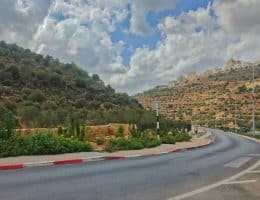
Israel is preparing to give settlers access to a main Palestinian thoroughfare in Ramallah, a move that would bring checkpoints and gates to one of the West Bank’s last spaces of free Palestinian movement and affordable urban growth.

Israeli courts put on a show of indicting criminals who kill and maim Palestinians, but the final verdict — a presidential pardon and a hero’s welcome — is already predetermined.
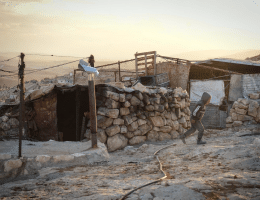
In Masafer Yatta in the southern occupied West Bank, Israeli settlers are accelerating their attacks on Palestinian farmers and herders in the area by cutting off their water supply.
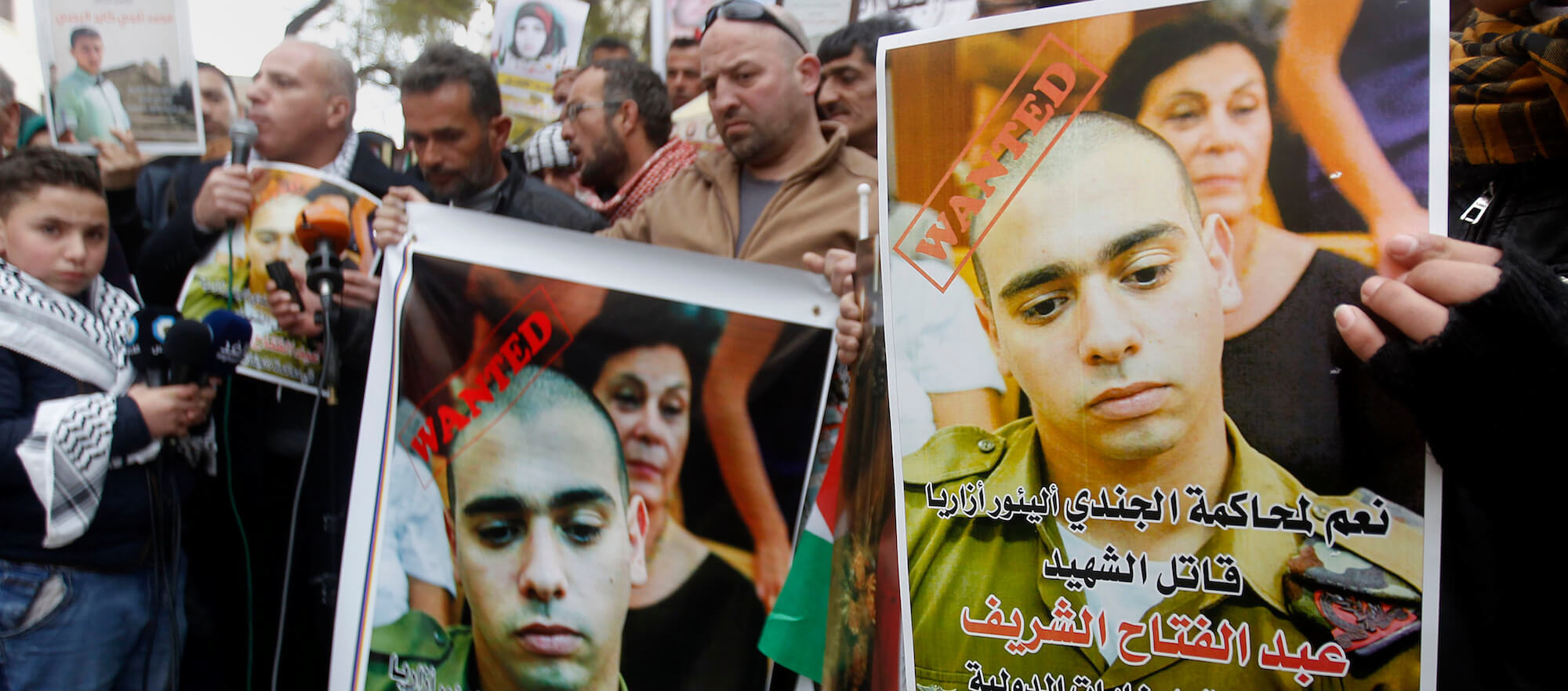
The judge who sentenced Elor Azaria, the soldier who shot Abdel Fattah al-Sharif in 2016 as he lay unconscious on the ground, called him a “normal” person, because Azaria’s genocidal views were never an aberration in Israeli society.