Israel’s “right to defend itself” is invoked constantly by its supporters, but international law says Israel cannot simultaneously occupy Palestinian land and attack it as a “foreign” threat, or treat those resisting as enemy combatants.


Israel’s “right to defend itself” is invoked constantly by its supporters, but international law says Israel cannot simultaneously occupy Palestinian land and attack it as a “foreign” threat, or treat those resisting as enemy combatants.
Israel has made it clear that this is not the end of its operations in Jenin, and the latest raid has left Palestinians asking, is Israel moving towards a Gaza-type model in Jenin?

At least 14 Palestinians have been killed in the occupied West Bank over the last three days, making it one of the deadliest weeks since the start of 2023. Among those killed were three youths, including two 14-year-olds, and a 17-year-old.

Following calls for escalation from Israeli political leaders, Israeli settlers have launched a series of attacks on West Bank villages in the last 24 hours which have killed one Palestinian and injured dozens of others.

This week the Israeli government made a dangerous move that makes annexation of the West Bank an even closer reality, analysts say.
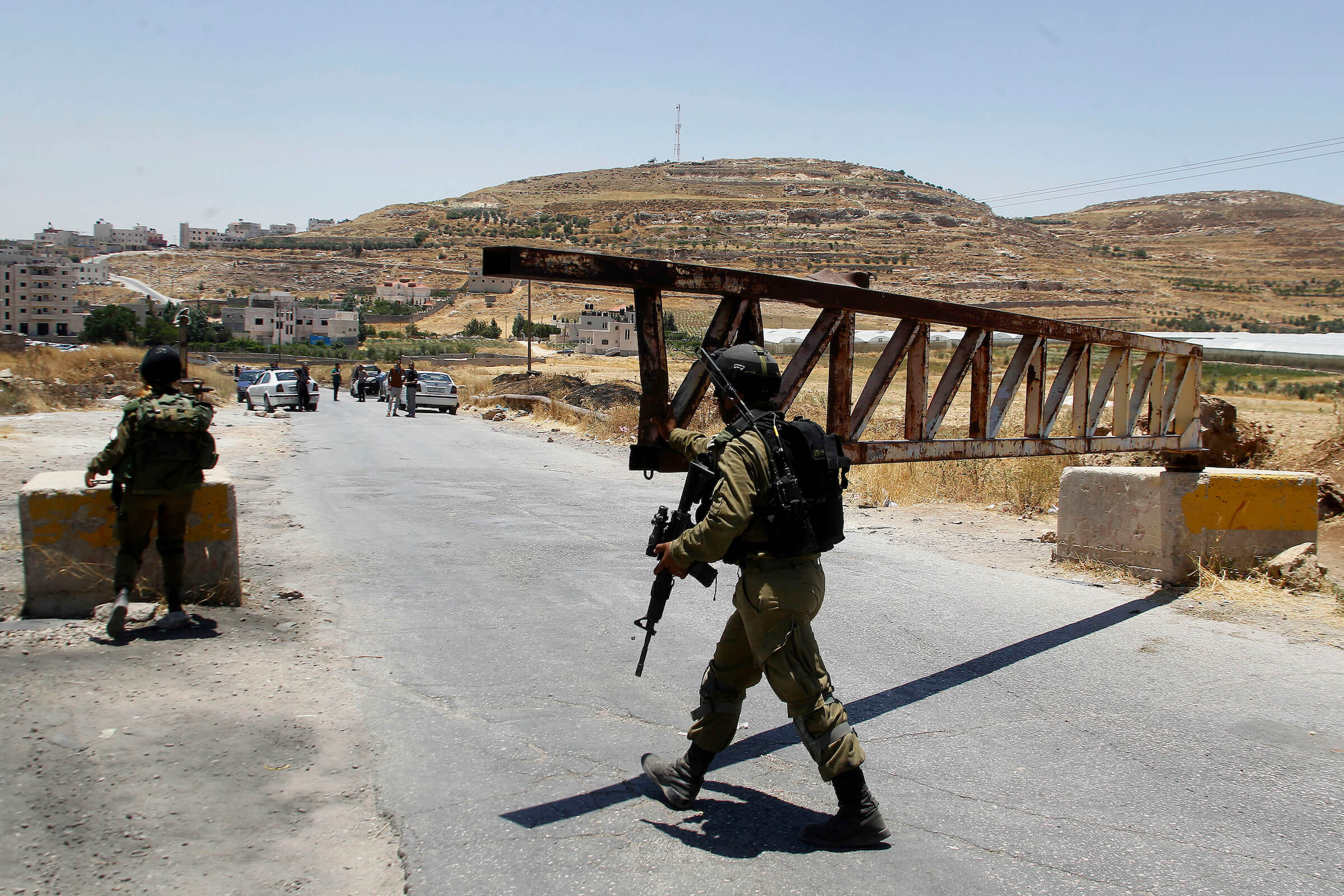
For Palestinians living under Israeli occupation and apartheid, driving comes with more dangers than you can imagine.
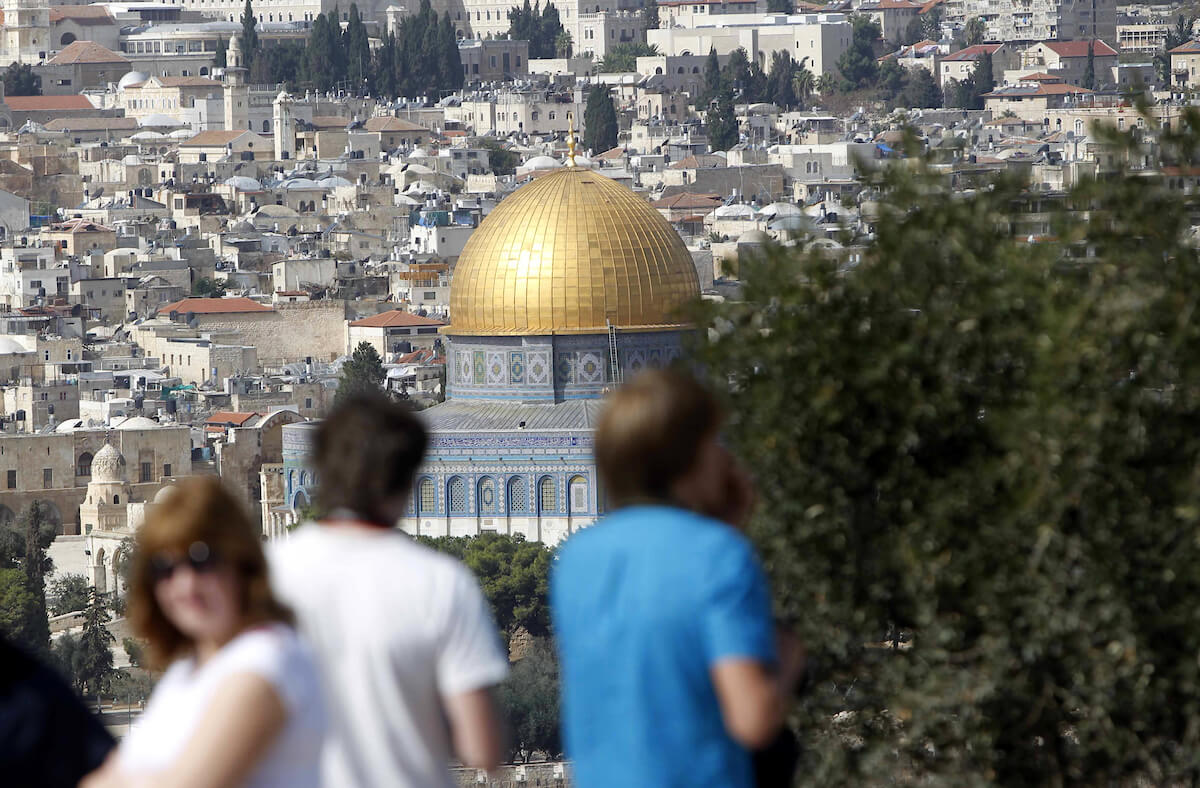
Amit Halevi, a member of Benjamin Netanyahu’s ruling Likud party, has proposed dividing the Al-Aqsa Mosque between Jews and Muslims. Such plans can no longer be disregarded as extremist fantasies but increasingly represent mainstream Israeli politics.

The Israeli military has admitted its policy of punitive demolitions does not work as a deterrent measure, and human rights groups have declared the policy violates international law. So, why does Israel continue doing it?
If the Nakba was the catastrophe that laid the foundation for Israel’s settler colonial state, the Naksa was the defeat that finished the job, setting off a chain of events that has come to define the reality on the ground in occupied Palestine over the past 56 years.

Many in Gaza participate in the “Ramadan economy” – a once-a-year opportunity offering Palestinians suffering from poverty, war, and the Israeli siege, a chance to secure a much-needed income.