Israeli forces killed three Palestinians this week, including a 16-year-old boy. Meanwhile, 1,000 Palestinian prisoners announced a hunger strike in protest of repressive policies by the Israel Prison Service under the control of Itamar Ben-Gvir.


Israeli forces killed three Palestinians this week, including a 16-year-old boy. Meanwhile, 1,000 Palestinian prisoners announced a hunger strike in protest of repressive policies by the Israel Prison Service under the control of Itamar Ben-Gvir.
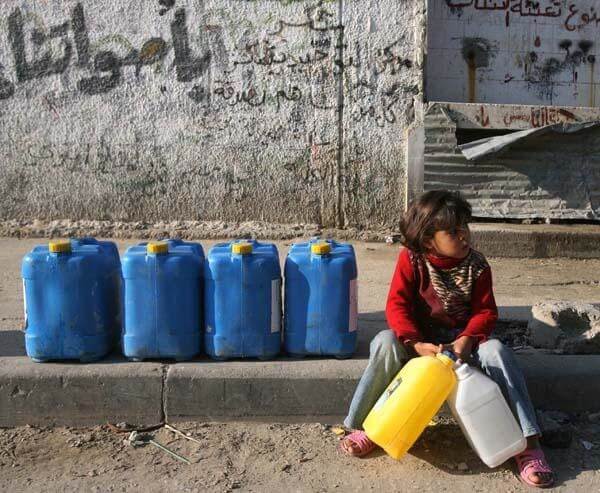
Writing stories about Gaza does not come only from interviewing and observing but most importantly they come from being a central part of it, as I experience them as any local living here.

The past few months have witnessed a worrying increase in Israeli settler attacks, many of which have turned deadly. Those attacks are continuing on a daily basis in the West Bank, with full impunity for the settlers.
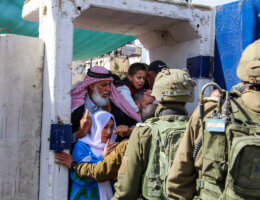
Avi Mograbi’s “The First 54 Years” combines testimonies and archival video from Breaking the Silence to lay bare Israel’s methods to control, demoralize, and divide Palestinians.

No matter how often the same thing happens to different people across Palestine, it’s brushed off as an exception or a lie rather than acknowledged as Palestinians’ lived reality.

The EU Envoy to Palestine Sven Kühn Von Burgsdorff paraglided onto a beach in Gaza on Monday and told Gazans that “Everything is possible.” But some things, like paragliding in Gaza’s skies, are only possible for people with immense power like Mr. Von Burgsdorff, not for the Palestinians living under a crippling Israeli blockade.
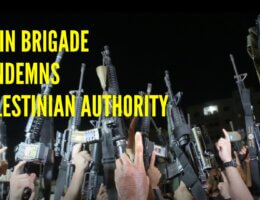
The protest was the latest in a number of anti-PA demonstrations by Palestinians in Jenin in recent weeks, marking yet another fissure in the deepening rift between Palestinians and the PA.
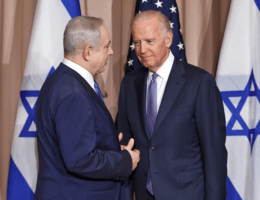
Tom Friedman created minor shockwaves when he wrote the Biden administration is “reassessing” the U.S.-Israeli relationship, but actual U.S. policy remains committed to Israel and the “shared fiction” that the occupation is temporary .

Following the Israeli army’s withdrawal from the Jenin refugee camp this week, outraged Palestinian youth confronted Palestinian Authority security forces in the city, accusing them of being “collaborators” with the Israeli occupation.

An Israeli district court acquitted the border police officer who shot and killed Eyad al-Hallaq, a Palestinian autistic man in 2020 who was unarmed and running away from police.