An alleged Jewish dread of Jeremy Corbyn been at the top of the news for years, while Boris Johnson—the actually racist, actual prime minister—appears as an afterthought.


An alleged Jewish dread of Jeremy Corbyn been at the top of the news for years, while Boris Johnson—the actually racist, actual prime minister—appears as an afterthought.

Gordon Gregory, a Tory candidate for Parliament in the upcoming UK election, tells Shahd Abusalama, “If the violence from Palestine stopped then the Israel would have no reason to attack. But whilst attacks are continuing and the existence of Israel is not accepted, they have no reason to stop occupying.”

Faced with claims that Labour antisemitism poses an existential threat to Jews, on the one side, and arguments that antisemitism is neither widespread nor institutionalised in the party, on the other, it might be tempting to split the difference and assume that the truth lies somewhere in between. But Jamie Stern-Weiner and Alan Maddison say the truth of this controversy lies not in the middle but at one pole: there is no ‘Labour antisemitism crisis’.

Chief Rabbi Efraim Mirvis has no lessons to teach Corbyn or the Labour party about racism. In fact, it is his own, small-minded prejudice that blinds him to the anti-racist politics of the left. His ugly message is now being loudly amplified by a corporate media keen to use any weapon it can, antisemitism included, to keep Corbyn and the left out of power – and preserve a status quo that benefits the few at the expense of the many.

The witch-hunt against Jeremy Corbyn for supposed ‘anti-Semitism’ has been a consistent feature in British politics, orchestrated by Israel and its allies also in Jewish organizations. Chief UK rabbi Mirvis has just served a desperate incitement-blow in a Times article.

Chief Rabbi Mirvis, what is the clear and present danger presented by the Labour party to Jews? Perhaps you can give me a rough idea of what I should expect, so I know whether to be ready to pack my bags when the election results come through. You are right when you say “the soul of our nation is at stake.” But you don’t seem to care about how we treat the poorest and most vulnerable, how urgently we tackle climate change, or our attitude towards human rights and international law. From Robert Cohen’s letter to the Jewish leader.
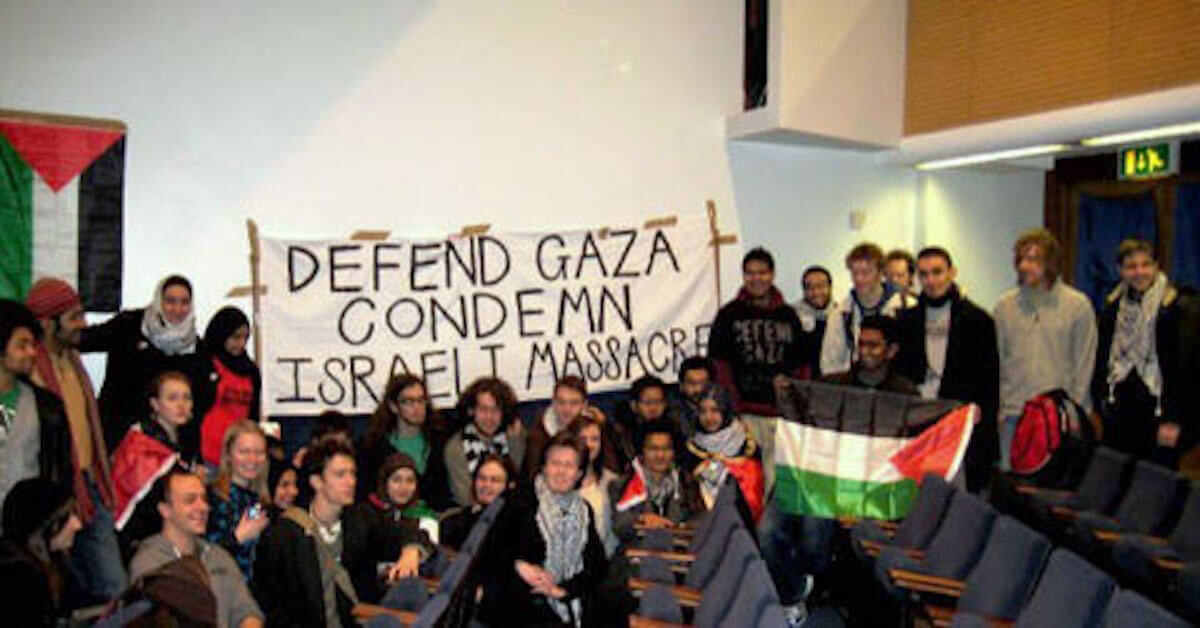
Jeremy Corbyn’s Labour party understands Palestine as a moral foreign policy cause of this generation, and affixes it to their material fight against neoliberal austerity. Nick Rodrigo writes that this relationship lies in the radical street politics of the British student movement between 2008-2011.
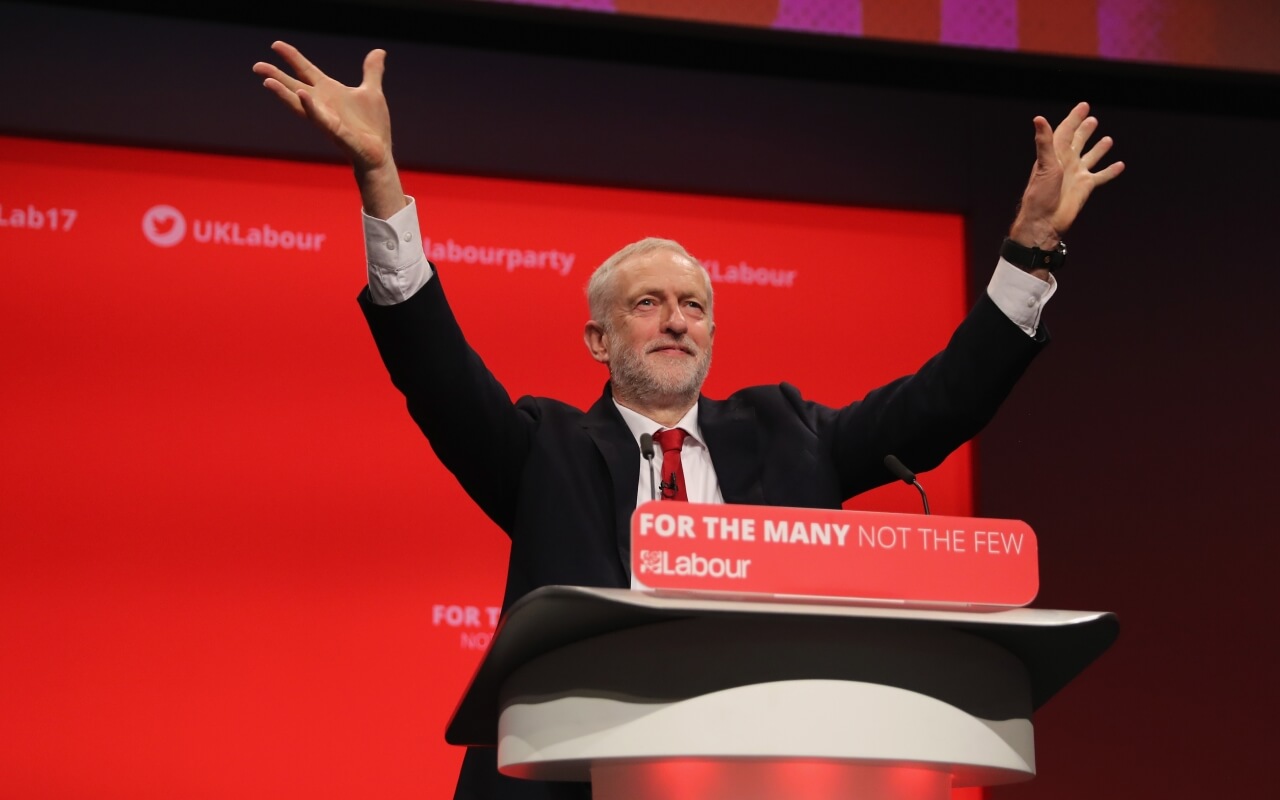
In the December election in the UK, the disparity between rich and poor; our response to the Climate Emergency; and the future of the United Kingdom all need to be central themes of the campaign. The one issue that does not need to be part of the debate is antisemitism. The charge is leveled against Corbyn because he will change policy re Israel.

Guardian editor Jonathan Freedland’s latest attack on Jeremy Corbyn robs the charge of antisemitism of its real and important meaning. His broadside is a hodgepodge of assertions based on guilt-by-association and statements taken out of context. If 87 percent of British Jews now believe Corbyn is antisemitic it is because of the media parroting pro-Israel propaganda.
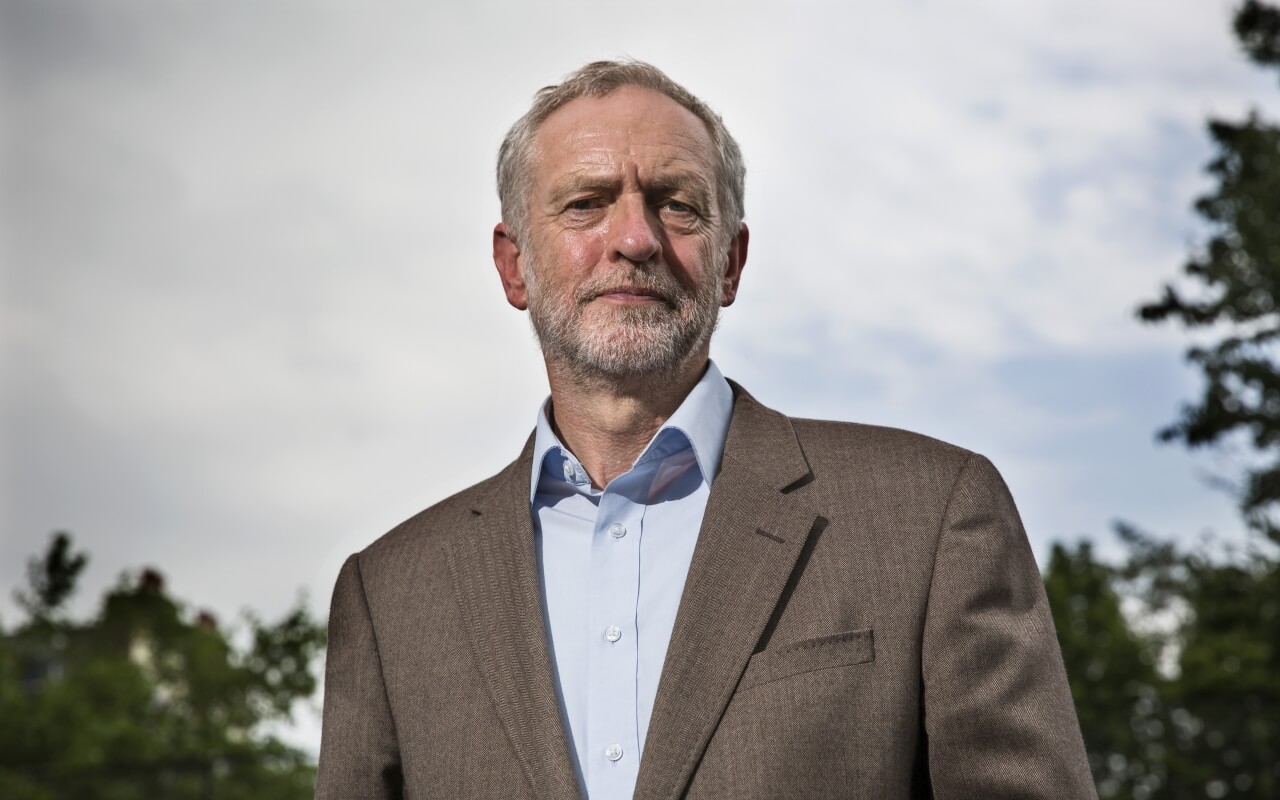
Jeremy Corbyn’s success in Great Britain reflects an eroding neoliberal consensus that the establishment is fighting to maintain. To undercut Corbyn this establishment has attempted to recharacterize his support for the Palestinians and criticism of Israel as anti-semitism. These attacks have transformed the whole discursive landscape on Israel, the Palestinians, Zionism and anti-semitism in ways unimaginable 20 years ago.