Whether in the occupied West Bank, or illegally annexed East Jerusalem, the message coming from the Israel’s so-called liberal judiciary is the same: do not expect it to stand in the way of the Israeli expansion objectives.


Whether in the occupied West Bank, or illegally annexed East Jerusalem, the message coming from the Israel’s so-called liberal judiciary is the same: do not expect it to stand in the way of the Israeli expansion objectives.
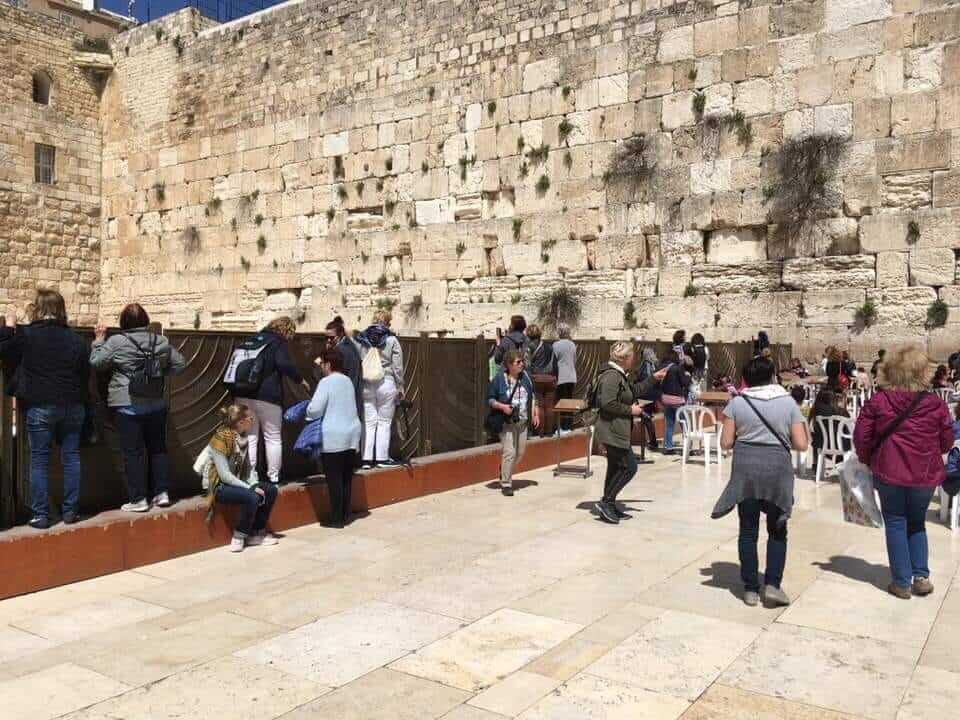
Jonathan Ofir continues his journey in Israel-Palestine. He visits the western wall in Jerusalem and reflects on the erasure of the Magharibah quarter, sees a sign commemorating the theft of Yemenite babies, and reflects on the utter invisibility of the Palestinian presence in Israeli life.
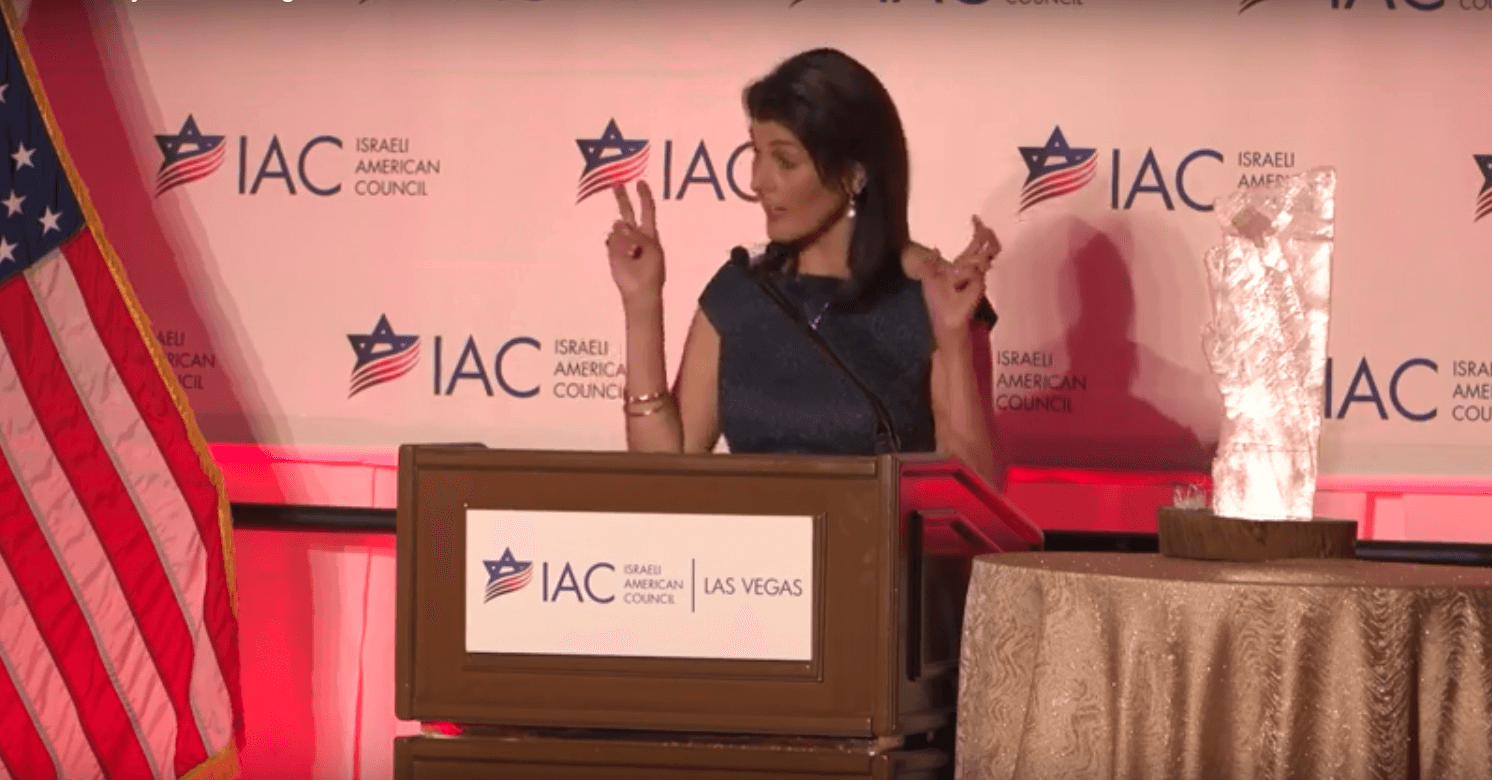
Pandering to two pro-Israel groups, Nikki Haley calls Sheldon and Miriam Adelson “national treasures.” She says the Obama administration “led” the UN Security Council resolution against settlements in 2016, pressuring other countries that did not want to vote for it, and making other ambassadors “uncomfortable.”
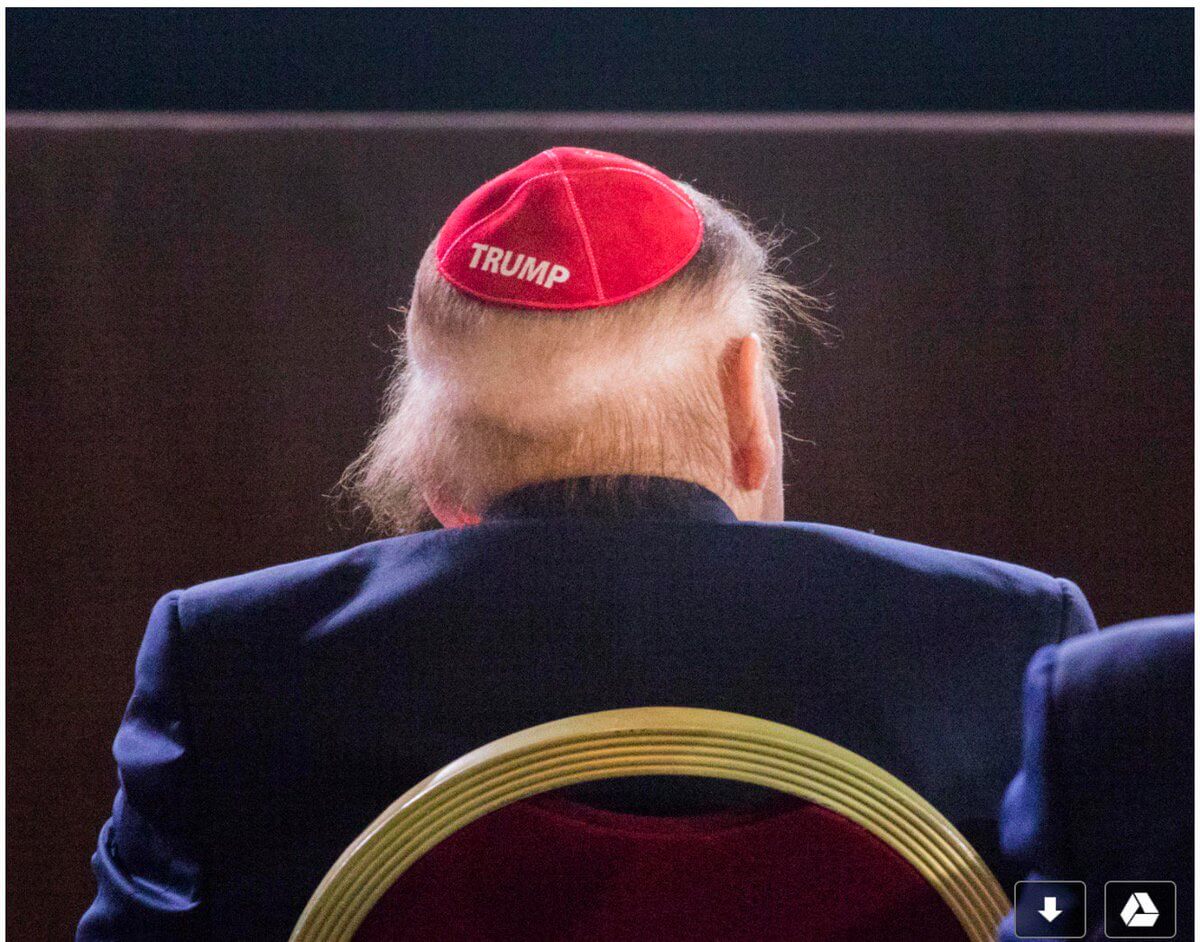
Before Donald Trump recognized Jerusalem as Israel’s capital in 2017, he says he got calls from “presidents, dictators, prime minister, kings, queens– everybody” and didn’t take the calls. Similar pressure kept previous presidents from making the move, he told the Republican Jewish Coalition in Las Vegas yesterday, but moving the embassy made his biggest donors, Sheldon and Miriam Adelson, very happy.

Last summer, Trump’s moving the U.S. embassy to Jerusalem opened the floodgates for a new era of Israeli provocations on the city’s Palestinians. Helena Cobban outlines the decades-long Zionist assault on the Palestinian presence and institutions in the holy city, and says that this new period will likely see greater government support for projects to extend the extremist settlers’ matrix of control over all parts of the Old City.

Hundreds of Palestinians organized small protests on Tuesday across the West Bank, East Jerusalem and the Gaza Strip in solidarity with prisoners held inside of Israel, following tensions at Ktzi’ot Prison in the southern Negev Desert where two guards were stabbed earlier this week.
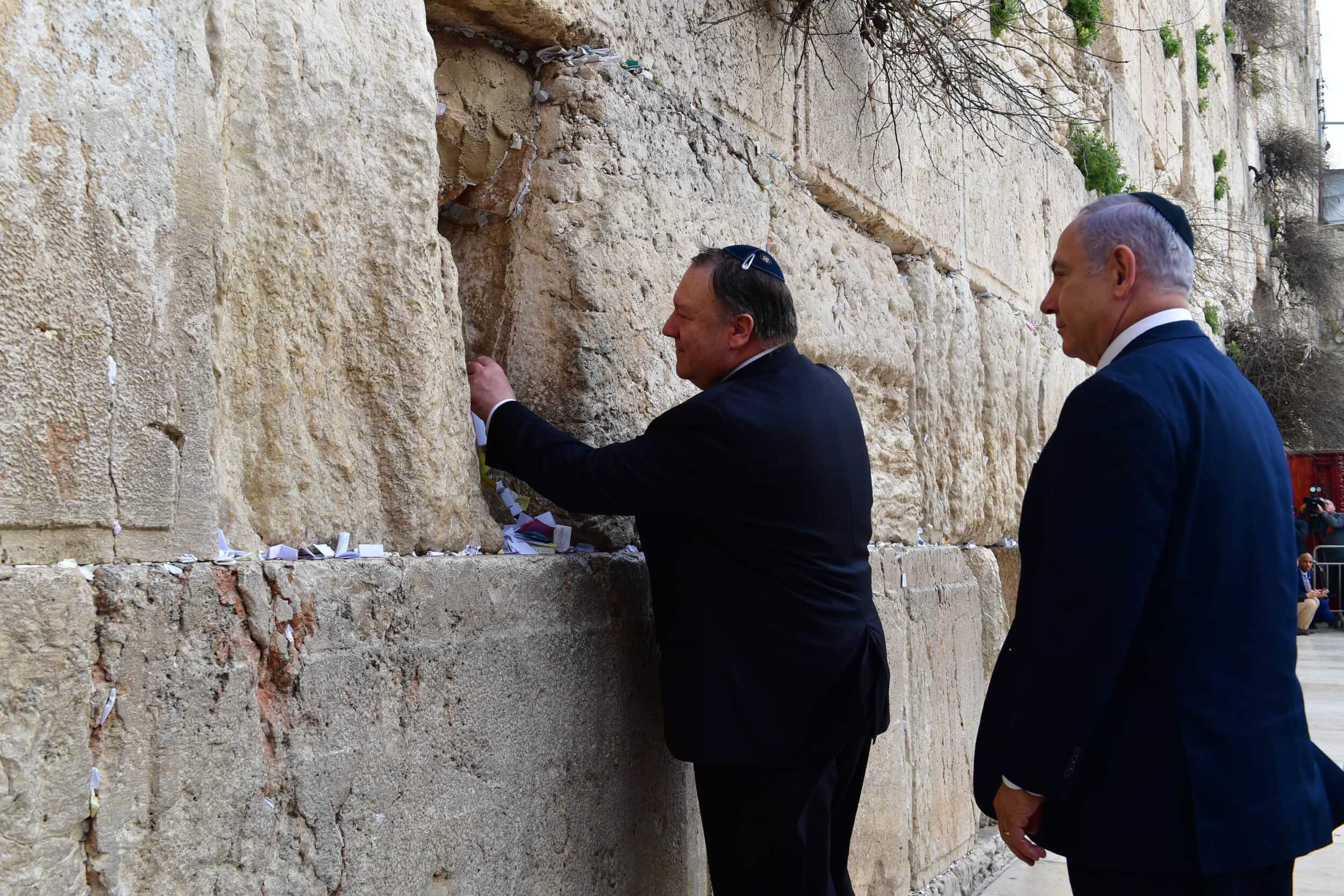
In May 2017, Donald Trump became the first sitting US president to visit the Western Wall. Now other international officials are following suit– despite the fact that it is illegally-annexed territory. A report from Raphael Ahren of the Times of Israel.
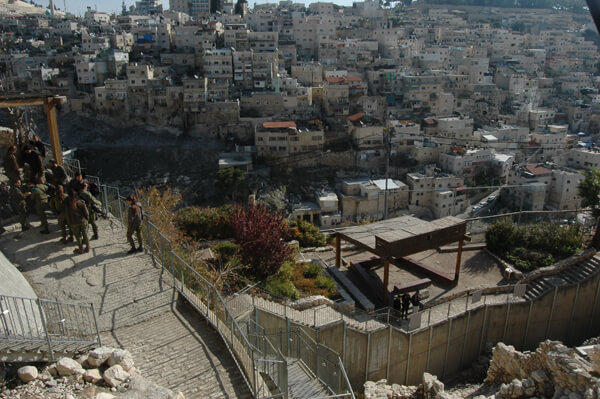
The underground excavations carried out by Israeli settlers beneath Palestinian buildings in the East Jerusalem neighborhood of Silwan have caused landslides following the last winter storm. One slide has undermined a wall on a playground, and could be life-threatening.

It is quite typical for Israeli politicians to carry out confrontational measures against Palestinians shortly before general elections are due. Ramzy Baroud argues Netanyahu’s closure of a gate that leads to Al-Aqsa mosque was a move to appease extremists at the expense of Palestinians.
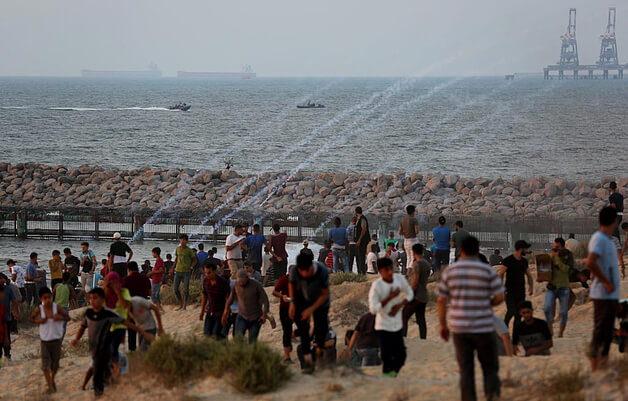
Food assistance in Gaza is suspended, hundreds of Palestinians face eviction in Jerusalem, and international monitors in Hebron are terminated.