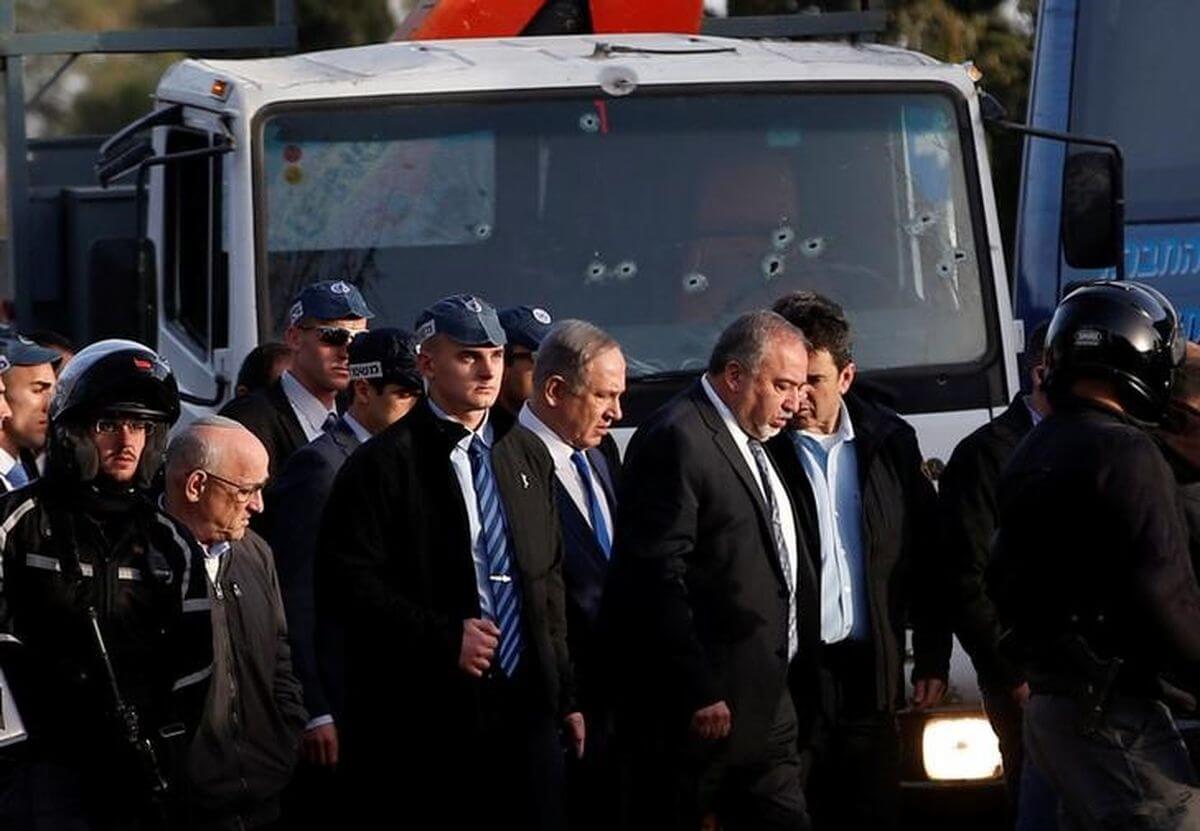
“We in Jerusalem have just experienced an unprovoked terrorist attack, a murderous attack that claimed the lives of four young Israelis and wounded others”, said Israeli PM Benjamin Netanyahu in a statement right after the car ramming attack in East Jerusalem two days ago. But is an attack on military personnel in occupied territory a terror attack? Jonathan Ofir writes, “By such rhetoric, Netanyahu blurs the distinction between military and civilian targets, a principle which is very important in the distinctions concerning terror. When we sum up the whole of the setting, what we actually have is a Palestinian under occupation, targeting a gathering which is rather exclusively manned by soldiers, military representatives of the army that is occupying him. All this falls, prima facie, within the distinctions regarding legitimate resistance to occupation. It does not matter how ugly it looks, we cannot without critical appraisal of the context just call it ‘terror.'”
Mohammed Alhammami shares the conversation he would like to have with an Israeli soldier who does not understand why Palestinians would be upset. The answer can be explained in one word: “occupation.”
Israel’s security cabinet voted unanimously Thursday evening to permit the use of sniper-fire against stone throwers in circumstances where an officer’s life is not at imminent risk. Israeli Prime Minister Benjamin Netanyahu proposed the changes and declared the increased measures were a “fight against those who throw rocks and firebombs, and shoot fireworks.”
Around 2,000 mourners gathered on Tuesday for a somber state funeral in Jerusalem’s Givat Shaul neighborhood laying to rest the four victims of a hostage attack at a Paris kosher grocery store on Friday. The bodies of the deceased were interred in a Jerusalem commemoration after an invitation to host the burial was extended to relatives of the slain by the Israeli Foreign Ministry who later sought payment from families of $13,000 each for the ceremonies. Economic Minister Naftali Bennett intervened late Tuesday night, lifting the fee.
When news broke of a Palestinian bus driver’s body found hanging by a metal chord in the rear of an Israeli bus in a West Jerusalem parking lot, two separate narratives developed. The death came in the midst of a bitter pattern of attacks on Israeli and Palestinian civilians across the city and the official reason given in the autopsy by Israel was that Yousef Hassan al-Ramouni, 32, had committed suicide. However, the Palestinian media, government, family of the deceased, and witnesses to the body, most importantly a pathologist that sat in on the medical exam, all said otherwise, contradicting, the police’s pronouncement that there was “no suspicion of criminal activity.” Mondoweiss has obtained a copy of a letter authored by the Israeli General Coordinator of the Palestinian territories to the Palestinian Authority, asking them “to stop such incitement and bring the genuine facts regarding the circumstances of death of the deceased, to the attention of the Palestinian public.” In Israel, incitement is a crime punishable with a prison sentence.

Ahmed Ghazzawi reports a frightening incident in which a mob of Israeli Jews attacked the train car he was traveling on with five female Palestinian students in West Jerusalem. The group feared for their lives
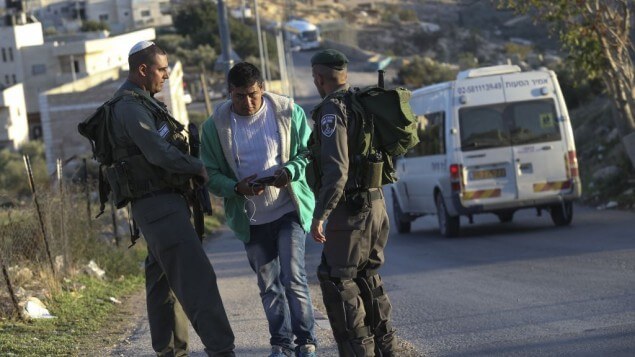
A video of a traffic stop in East Jerusalem reflects perfectly how an ordinary person might respond to a constant police presence, a suffocation that’s untenable. This is the “battle of Jerusalem” Americans don’t see.
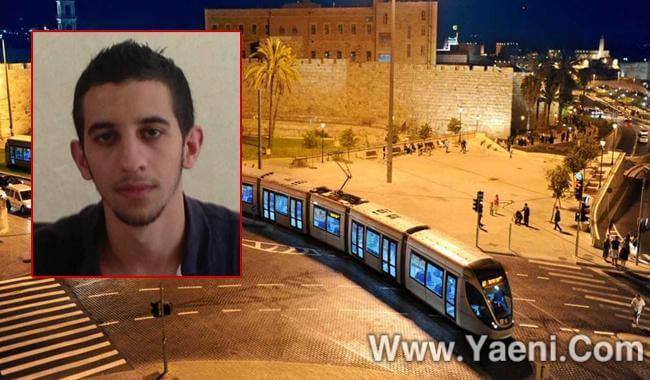
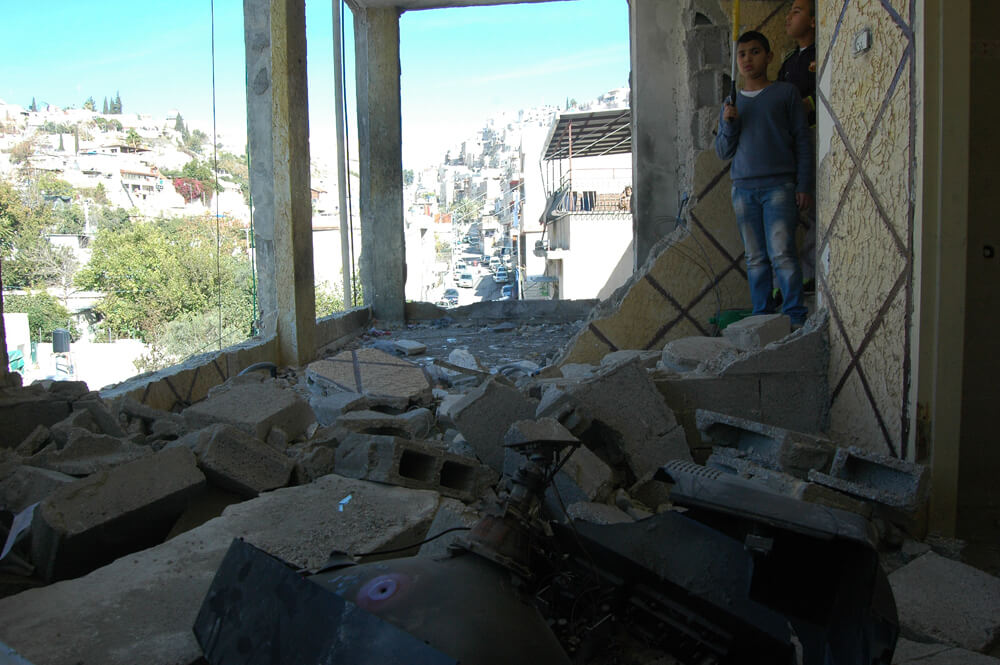
Israeli police ransacked seven apartments and urinated inside one while demolishing the Silwan apartment of Abdel Rahman al-Shaludi, 21, the Palestinian motorist from East Jerusalem who killed a three-month old Israeli-American Chaya Zissel and one Ecuadoran tourist in a light rail attack in Jerusalem on October 22, 2014. “They urinated on the mattresses in my brother’s apartment, said Enas al-Shaludi, 43, the mother of the deceased driver. “You can see the urine on the mattresses.” In addition to the demolition, which the family expected after receiving a demolition order last Friday, all of the other apartments in the four-story residential building were raided.
It appears Israel’s ongoing incitement of Palestinian children has taken a particularly macabre turn. Videos have surfaced of Jerusalem police driving calmly through quiet empty East Jerusalem neighborhoods drenching elementary schools and residences with a putrid liquid with the stench of feces and rotting animal carcass, commonly referenced as “skunk spray”.
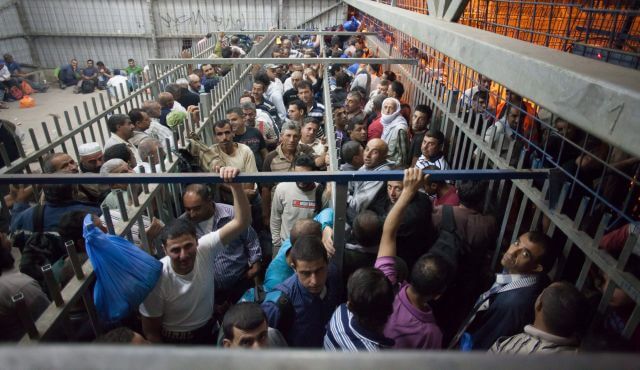
On Friday Palestinian protesters crossed Israel’s separation wall by Qalandia checkpoint, the artery from the West Bank to Jerusalem, demonstrating for access to the city that has been ensconced in unrest over the past three weeks. Using makeshift ladders tens of protesters walked over the barrier, but Israeli police prevented them from entering Jerusalem.