As Trump’s administration struggles to find ways to implement its fatally flawed “20-Point Plan” for Gaza, it has taken the surprising step of trying to obtain the approval of the United Nations Security Council. Here’s why that’s unlikely to work.
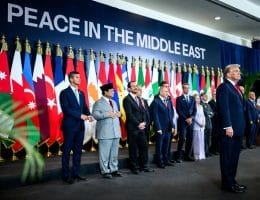

As Trump’s administration struggles to find ways to implement its fatally flawed “20-Point Plan” for Gaza, it has taken the surprising step of trying to obtain the approval of the United Nations Security Council. Here’s why that’s unlikely to work.

The tools of boycott and public protest are inherited from the colonial period. We need to adapt these methods to focus on where power is concentrated today in our region: Arab capital.

It appeared that Arab states would present a united front to avoid widespread ethnic cleansing in Gaza, but the United Arab Emirates is undercutting those efforts with the Trump administration in order to cement its future influence in Palestine.

Arab leaders face increasing pressure from the White House to support the ethnic cleansing of Palestinians. As they prepare an alternative proposal for Gaza it seems unlikely they can satisfy both Trump and their own citizens.
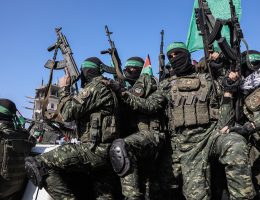
Trump’s hostage demands made headlines, but Netanyahu returned to the ceasefire agreement in response to Hamas pressure.
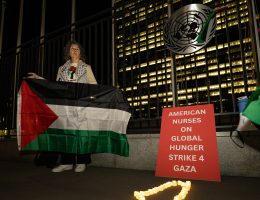
Activists in New York City have started a hunger strike for Gaza outside the United Nations in solidarity with hunger strikers in Jordan. Organizers say that the strike will continue until the siege on Gaza is lifted.
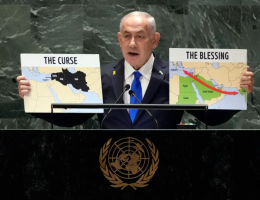
Israel has been able to insulate itself from the effects of the economic blockade imposed by the “Axis of Resistance” through supply chain warfare in the Middle East and the broader region.
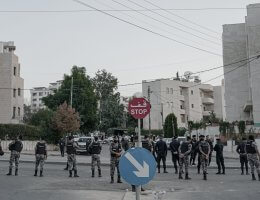
Jordan has witnessed increasing popular protests expressing solidarity with Gaza and demanding an end to normalization with Israel. The Jordanian government has responded with an unprecedented crackdown on protests and free expression.
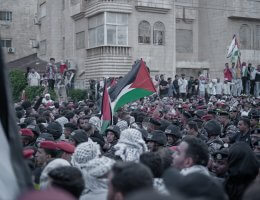
I stayed in Amman for the first time in my life the week before the Allenby border shooting. It was strange to be in an Arab country not under occupation, but I also saw Palestine everywhere.

Palestinians in Nablus held a funeral procession for a Turkish-American activist killed by Israeli forces in Beita. Meanwhile, Israel continued to close its borders with Jordan for the second day in a row following a shooting at Allenby bridge.